African Women in Agricultural Research and Development (AWARD) has launched a programme aimed at increasing women’s participation in crop research and ensuring agricultural innovations respond to the needs of farmers.
The Gender Responsive and Women-Led Research and Development Programme will work with six research institutions and universities and support 47 women plant breeders from 14 African countries.
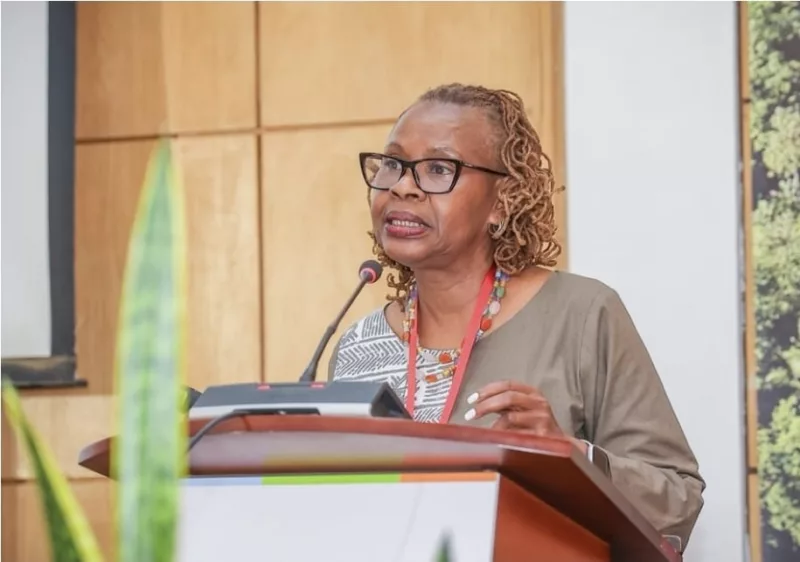
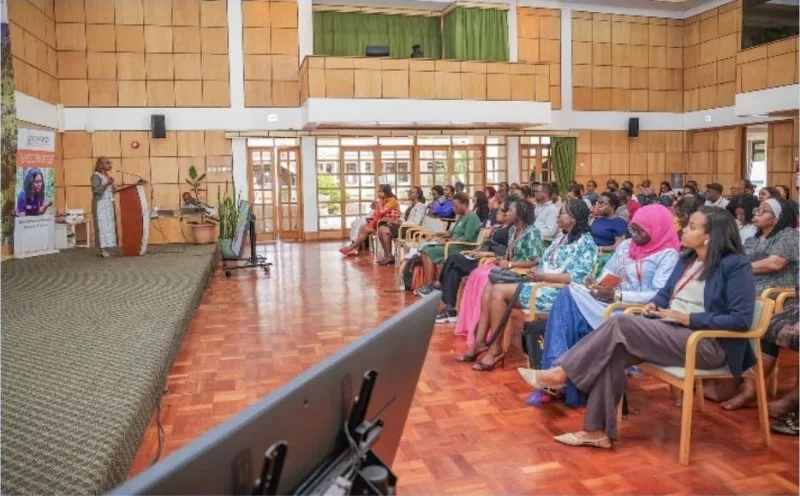
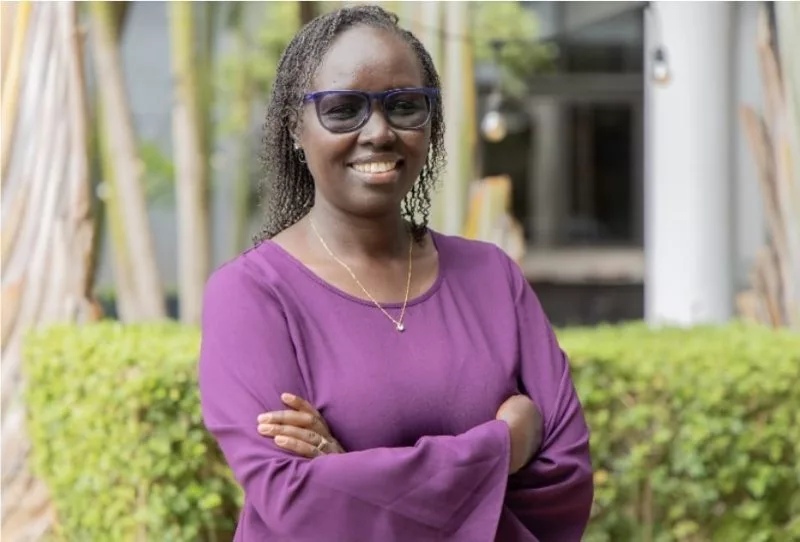
Speaking during the launch at the CIFOR-ICRAF campus in Nairobi, AWARD director Dr Susan Kaaria said agricultural research must consider the needs of women farmers and increase women’s participation in developing crop varieties.
Africa’s agricultural research, she said, would only deliver seeds that farmers actually use if it listened to women farmers and involved more women in the research process.
"Understanding what women and men farmers need is essential to developing agricultural innovations they can use," she said.
"However, gender responsive breeding does not only consider the representation, voice and agency of women farmers within crop improvement design, development and delivery, but should also consider who is conducting the crop breeding research."
The initiative seeks to address the underrepresentation of women in plant breeding and the low uptake of breeding technologies among women smallholder farmers.
Women underrepresented in plant breeding
Women remain underrepresented in senior research and management positions, where priorities are set, resources allocated and policy decisions made.
The gap is particularly pronounced in plant breeding, where women account for less than 15 per cent of plant breeders in West and Central Africa.
"We felt this was an area where women were significantly under-represented," Dr Kaaria said.
She said agricultural innovations developed without considering gender differences risked overlooking farmers’ priorities and failing to gain adoption.
The programme will therefore target both the institutions responsible for agricultural research and the women conducting the research.
Six institutions to review policies and training
Funded by the Gates Foundation, the programme will work with six institutions in Ethiopia, Kenya and Nigeria.
In Ethiopia, the partners are the Ethiopian Institute of Agricultural Research and Mekelle University.
Kenya will be represented by the Kenya Agricultural and Livestock Research Organization (KALRO) and Egerton University, while Nigeria’s partners are the Federal University of Agriculture, Abeokuta, and the National Root Crops Research Institute.
The research organisations will assess their policies and practices to identify gender gaps. They will then develop action plans and train staff to improve gender responsiveness.
The universities will review their curricula and teaching methods to prepare future scientists to incorporate gender considerations into crop breeding.
"Nobody is starting from zero," Dr Kaaria told partners, citing Makerere University's experience in integrating gender into agriculture courses and a master's programme.
The participating institutions will share lessons through peer learning.
The second component is the Gender Responsive Research for Optimized Women-led Breeding Systems (GROW) Fellowship.
The two-year fellowship will support 47 women plant breeders from 14 African countries.
Participants will receive leadership and negotiation training, technical training on integrating gender into breeding research, structured mentoring, networking opportunities and peer learning.
"Through this Program, we are addressing a critical priority of supporting women breeders to lead research and working with institutions and universities to ensure that farmers' needs guide their research and the training of future scientists," Dr Kaaria said.
The initiative builds on AWARD’s experience supporting women in agricultural research leadership.
Founded in 2008, the organisation initially focused on training women for leadership roles. However, Dr Kaaria said it became clear by 2017 that individual support alone was insufficient.
"We had these amazing women becoming leaders, but they were entering institutions that could be hostile or did not always allow them to thrive," she said.
AWARD subsequently expanded its approach to include individuals, institutions and the wider policy environment.
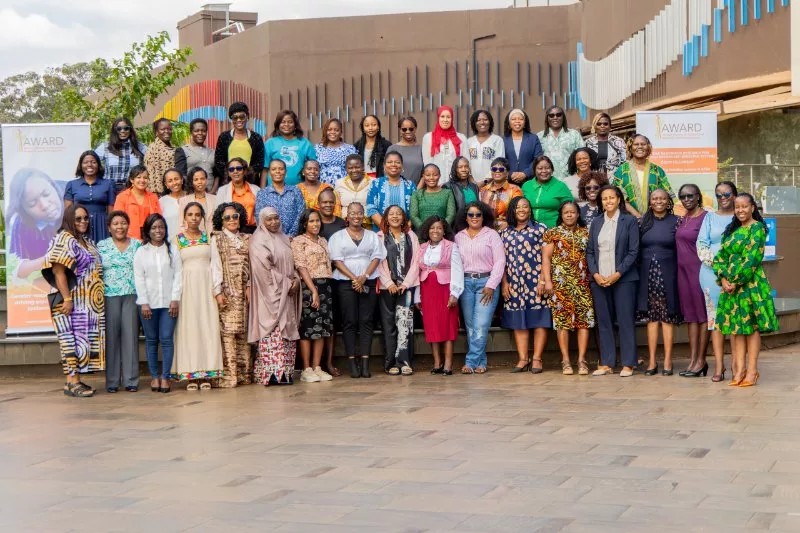
The organisation has run 18 fellowship cycles, graduated more than 1,200 fellows, worked with about 460 institutions and operated in 26 African countries.
Dr Jane Jerono Cheserek, chief research scientist at KALRO’s Coffee Research Institute and a GROW Fellow, said she hoped to strengthen her leadership and contribute to research that benefits coffee farmers.
"I want to become a leader who produces strong science, develops the people around me, and helps the Institute deliver lasting benefits to coffee farmers."
Dr Kaaria said the programme’s broader objective was to promote inclusion across agricultural and food systems.
"Ultimately, our aim is to support inclusion in agri-food systems by taking into consideration the needs and priorities of women farmers, entrepreneurs and agribusinesses," she said.
AWARD is implementing the programme in partnership with Makerere University and Cornell University.