Foreign suppliers are positioning themselves to benefit from Kenya’s expanding construction market, as investment in housing, commercial property and infrastructure creates demand for electrical equipment and power distribution systems.
Stakeholders at the Kenya Leadership Connect 2026 forum, said investment in housing, commercial infrastructure, industrial development and energy was creating opportunities for electrical equipment manufacturers.
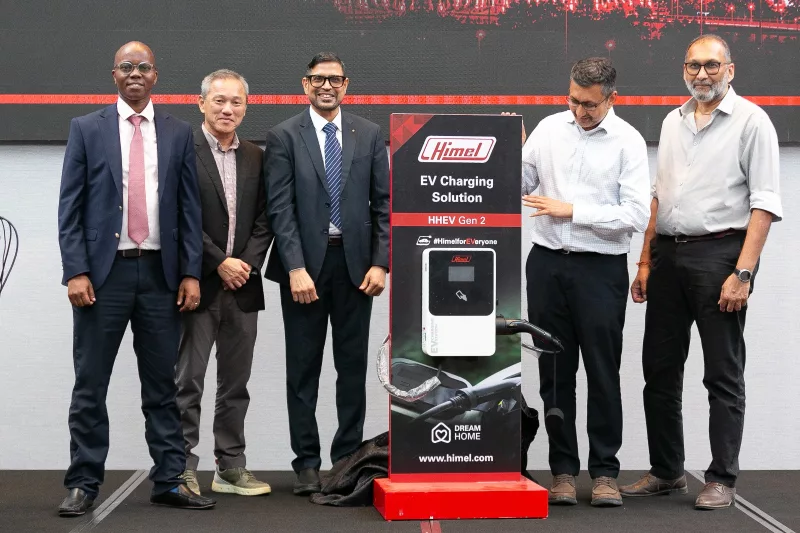
Electrical equipment manufacturer Himel says it is targeting Kenya’s affordable housing market, seeking to tap demand for power distribution systems as the government steps up investment in residential developments and supporting infrastructure.
“Kenya continues to be one of the most dynamic and promising markets in East Africa. As the country accelerates investment across several key pillars such as housing, commercial infrastructure, industrial development, utilities and energy transition projects,” said Himel’s vice president for international sales Koon San Ang
The company says it has supplied electrical equipment to five developments under the Affordable Housing Programme, covering 4,657 housing units and 104 retail shops, positioning itself for further business as construction activity recovers.
The push comes as the government continues to channel public funds into affordable housing, with the National Treasury allocating Sh120.2 billion to the programme in the 2025/26 financial year to finance homes and supporting infrastructure.
According to the firm, the housing programme offers an entry point into a market where large-scale residential developments could generate demand for electrical components, installation systems and related technical services.
Kenya’s construction sector grew by 6.8 percent in 2025, recovering from a 0.7 percent contraction in 2024, according to the Kenya National Bureau of Statistics (KNBS). Cement consumption rose by 20.3 percent to approximately 10.28 million tonnes, pointing to increased activity across the sector.
The recovery is creating opportunities for suppliers serving residential housing, commercial buildings, industrial facilities and infrastructure projects, even as developers contend with financing costs, construction expenses and delays in project implementation.
Beyond supplying individual housing projects, the company is seeking to benefit from demand across the wider construction value chain, where developers, contractors and electrical installers require equipment that meets safety standards while remaining affordable.
Biren Shah, director of electrical products distributor Nabico Enterprises Limited, said the expansion of housing and infrastructure projects was increasing the need for reliable equipment, competitive pricing and accessible technical support.
“Kenya’s rapid development across housing, commercial infrastructure, energy, and industrial sectors requires partners that can deliver both quality and value,” said Shah.