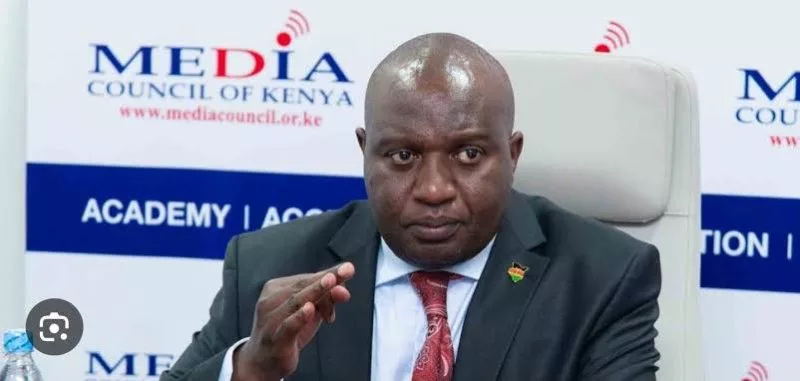
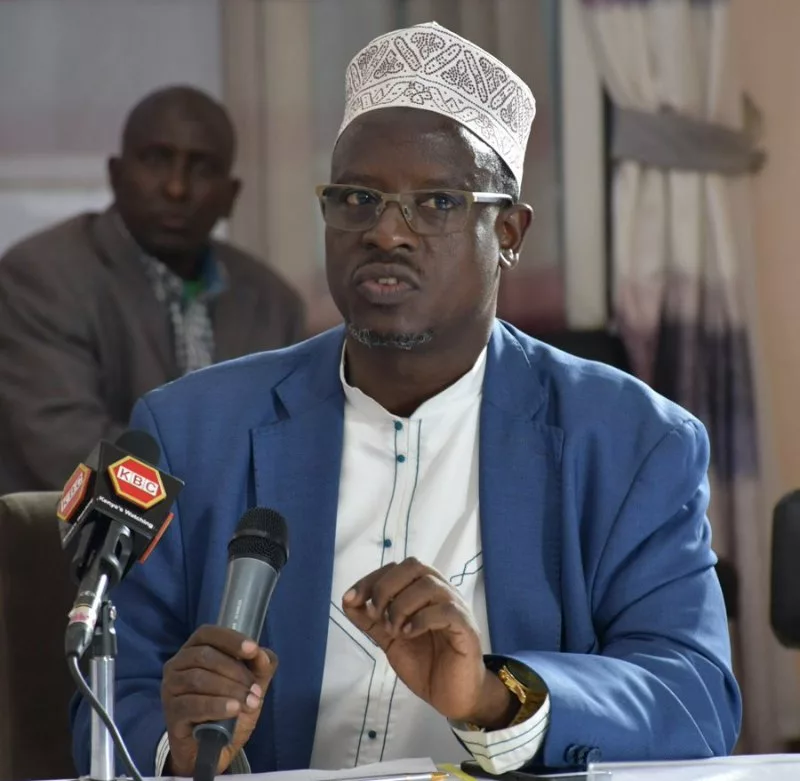
 National Chairman Al-Hajj Hassan Kirua Ole Naado/FILE
The Supreme Council of Kenya Muslims (SUPKEM) has announced the establishment of a permanent policy unit to strengthen engagement with the government and ensure the community's interests are reflected in national development programmes.
The decision was announced in a communiqué issued by National Chairman Al-Hajj Hassan Kirua Ole Naado following the National Muslim Leaders Convention held in Nairobi on October 15, 2026.
The forum brought together Muslim scholars, SUPKEM delegates and leadership structures from across Kenya's 47 counties to deliberate on the community's role in governance and economic development.
Under the resolutions, SUPKEM formally launched the Ummatic Policy Liaison Directorate (UPLD), which will operate under the Strategic Networking Pillar of its National Strategic Plan.
The directorate will serve as a permanent administrative unit linking the Muslim community with government ministries, the Vision 2030 Delivery Secretariat and the National Treasury.
It will also monitor compliance, prepare data-driven briefs for Muslim legislators and civil servants, and manage relationships with international bilateral donors interested in supporting community programmes.
"The UPLD will not react to crises; it will permanently interface with government line ministries, the Vision 2030 Delivery Secretariat, and the National Treasury," the communiqué states.
The forum said the initiative signals a shift from reactive engagement towards structured collaboration with both the Executive and Legislative arms of government.
It also resolved to establish community-led mechanisms that align Muslim development priorities with national economic frameworks.
The leaders acknowledged the government's participation in the convention, including President William Ruto's address delivered by Cabinet Secretary Aden Duale.
They also recognised contributions from Prime Cabinet Secretary Musalia Mudavadi, whose perspectives were presented by Professor AbdulRazak Shaukat.
UDA Secretary General Hassan Omar and Eldas MP Adan Keynan were acknowledged for emphasising the integration of Muslim leadership into national socio-economic structures.
The forum further highlighted presentations by the President's Council of Economic Advisors chairperson David Ndii and Principal Secretary Charles Hinga Mwaura.
Ndii examined the historical debate between political power and economic prosperity in post-colonial African governance, while Hinga explained how community members could benefit from the Affordable Housing Programme.
Representatives from the Social Health Authority, Vision 2030 Delivery Secretariat and NACADA also briefed delegates on their respective mandates.
Following the engagements, the leaders expressed willingness to strengthen cooperation with the current administration.
"It is against our values and character to ignore a hand stretched toward us in friendship and cooperation," the communiqué states.
The forum further resolved to strengthen Muslim institutions and empower professionals and young people to use constitutional channels to advance community interests.
It emphasised that the community must take greater responsibility for securing its place in Kenya's governance and economic systems rather than depending exclusively on external actors.
The resolutions, according to the communiqué, are intended to strengthen institutional capacity, promote constructive government engagement and ensure Muslim participation in national development becomes impactful and self-sustaining.