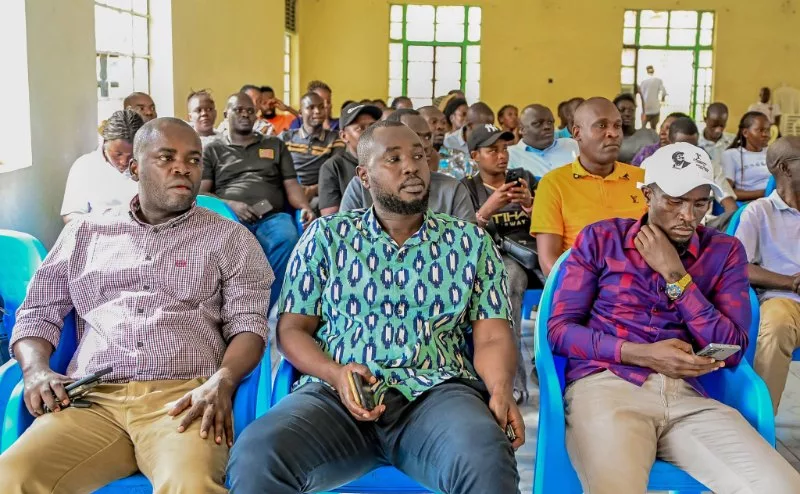
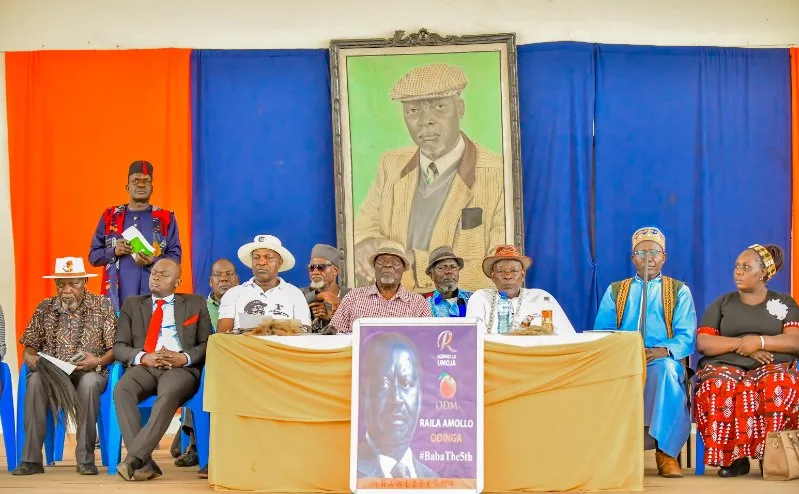
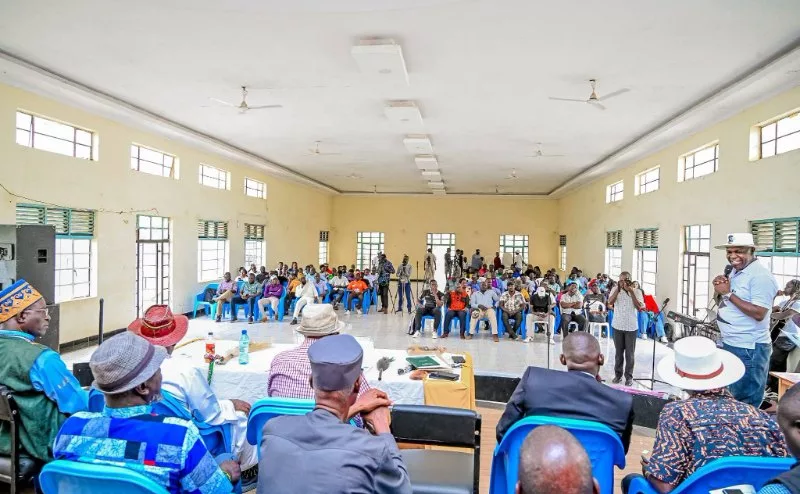
Poetry, music and heartfelt reflections filled Ofafa Memorial Hall in Kisumu, but beneath the tributes to Raila Odinga, his legacy was prompting a difficult conversation about the future.
Read Also
As elders, young people, women and religious leaders gathered to mark the first anniversary of his death, the discussions moved beyond remembering a political giant to confronting divisions within the community he helped shape.
There were concerns about the widening gap between generations, the growing disconnect between young people and religious institutions, and the feeling among the youth that they remain shut out of political decision-making.
The gathering became an appeal for dialogue across generations, with participants warning that unresolved divisions could weaken the community’s social cohesion, particularly as Kenya approaches the 2027 General Election.
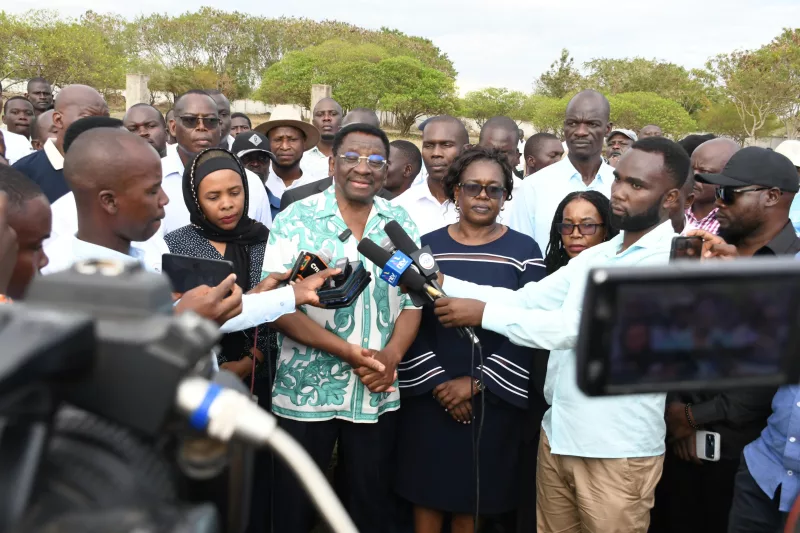
The intergenerational conclave, at Ofafa Memorial Hall on Tuesday, opened a three-day programme marking one year since Raila died on October 15, 2025.
It brought together representatives from the four Luo-dominated counties to reflect on his life, the values he championed and the challenges facing the community.
Luo Council of Elders chairman Ker Odungi Randa said the meeting offered an opportunity for different generations to speak openly about their aspirations and the future they want.
“We have had a fruitful conversation. The young people spoke about what they want for the Luo region, while the elders and women also shared their views on what they want for the community and the country,” Randa said.
But beyond the exchange of views, the elders stressed the need to protect peace and unity, cautioning against political actors who might exploit existing differences.
Randa reaffirmed the community’s commitment to ODM, saying participants had agreed to stand by the party’s direction as left by Raila ahead of the 2027 elections.
He warned against attempts to create divisions within the party, arguing that political disagreements should not be allowed to undermine the community’s cohesion.
Yet one of the most significant themes to emerge from the meeting was the need to rebuild the channels through which generations once shared experiences, settled disputes and passed on knowledge.
Randa pointed to the duol, where men of different ages traditionally gathered to discuss community affairs, and the siwidhe, where older and younger women met to exchange experiences and offer counsel.
He said such spaces provided a model for restoring communication at a time when young people increasingly feel disconnected from traditional leadership structures.
The challenge, as participants reflected on Raila’s legacy, was how to translate the principle of dialogue into relationships that allow younger people to be heard and older generations to understand their concerns.
Philip Pande, a member of the Raila Odinga Memorial National Steering Committee, said the discussions revisited the former Prime Minister’s insistence on the importance of intergenerational dialogue.
He said elders, youth leaders, women and religious representatives had reflected on peaceful coexistence and the community’s social, economic and political future, with the approaching election making the conversations particularly important.
“The young must embrace each other and revert to issues of engagement that would constructively build them socially and economically,” Pande said.
He said participants had identified gaps not only between elders and young people, but also between the youth and the church, as well as young people and the country’s political system.
The concerns pointed to a wider question about inclusion: how leaders can create meaningful opportunities for young people to participate in decisions affecting their lives, rather than leaving them feeling distant from institutions that shape their future.
Kisumu Deputy Governor Mathews Owili said Raila’s enduring principle was his belief in the people and the importance of every voice, regardless of age, culture or background.
He described the gathering as a tribute to Raila’s lifelong pursuit of an inclusive, just and democratic Kenya.
That ability to connect with people across generations and backgrounds remained a central theme of the conclave.
Through poetry, music and emotional tributes, participants reflected on his political journey while considering how the values associated with his leadership could help bridge divisions within the community.
The conversations also gave the anniversary a purpose beyond remembrance: examining whether the ideals of dialogue, democratic participation, social justice and inclusion could be reflected in everyday relationships and political decisions.
The three-day programme included an international candle-lighting ceremony on Wednesday at Kang’o ka Jaramogi, led by Raila’s widow, Ida Odinga, starting from 6pm.
Supporters in Kenya and abroad have been invited to light candles in his memory, symbolising unity beyond geographical boundaries.
The main memorial will be held on Thursday, at Migwena Cultural Grounds in Bondo, Siaya county, beginning at 7am.
Family members, political leaders, community representatives and members of the public are expected to gather, with musicians from Kenya and beyond scheduled to perform in tribute to the veteran politician.
The commemoration seeks to celebrate Raila’s life and public service. But the conversations in Kisumu have also placed a challenge before the community: how to preserve his legacy by building stronger relationships between generations, opening up political participation and maintaining unity beyond the anniversary celebrations.
For those gathered at Ofafa Memorial Hall, remembering Raila was not only about looking back at the man and his contribution to Kenya’s history.
It was also about confronting the divisions of the present and considering what the future should look like for the generations that follow.