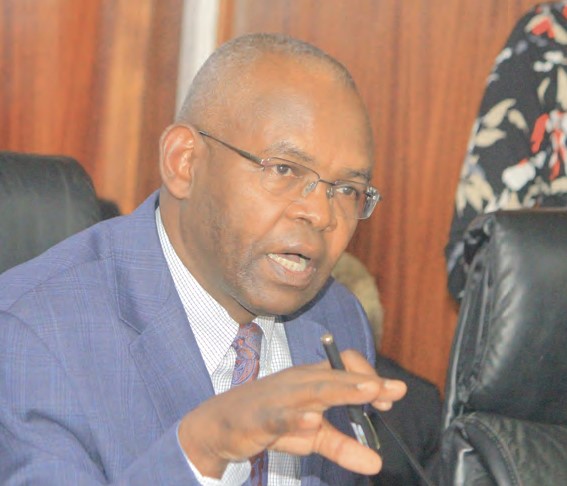
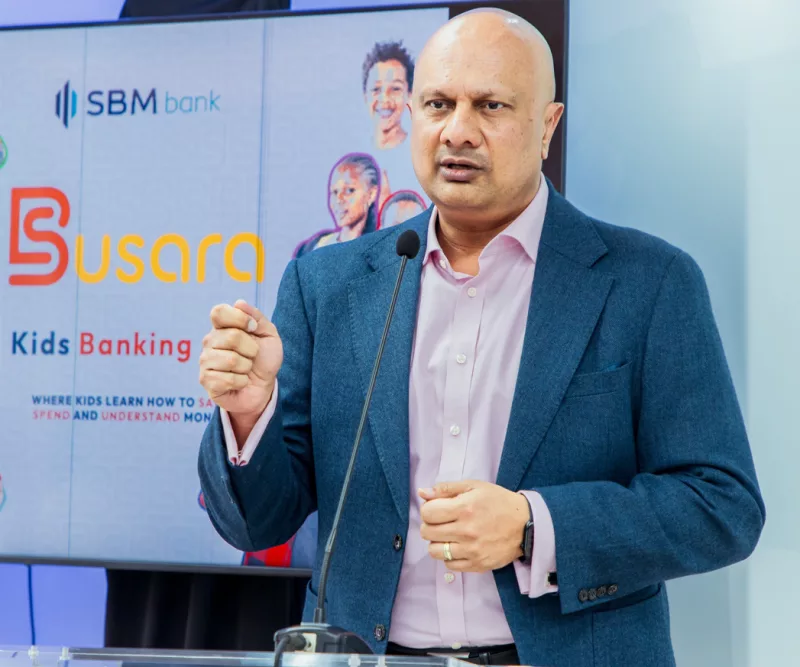
 SBM Bank Kenya chief executive Bhartesh Shah/ HANDOUT
SBM Bank Kenya has reported a 122 per cent increase in profit before tax to Sh911 million for the nine months ended September 2026, retaining growth after a two-year loss streak.
The subsidiary of Mauritius-based SBM Group, accumulated significant financial pressures following its entry into the Kenyan market in 2017 (via Fidelity Commercial Bank acquisition) and 2018 (via Chase Bank assets), culminating in a heavy multi-year period of losses, before a turnaround in December last year.
The lender’s pre-tax profit rose from Sh411 million recorded in the corresponding period last year, reflecting progress in diversifying revenue streams and strengthening relationships with retail and business customers.
Operating profit nearly tripled to Sh1.3 billion from Sh447 million a year earlier, while total income increased 33 per cent to Sh5.44 billion.
Net interest income during the period under review grew 29 per cent to Sh3.44 billion, while non-funded income rose 39 per cent to Sh2 billion, supported by increased customer transactions and trade finance activities.
Transactional income surged 95 per cent, while trade finance commissions grew 98 per cent, highlighting the bank’s efforts to expand services beyond traditional lending.
Operating costs increased 12 per cent, slower than the growth in income, helping to strengthen profitability during the period.
Customer deposits rose 29 per cent year-on-year to Sh97.3 billion as of September 30, reflecting increased customer balances and providing a larger funding base for lending.
Net loans and advances grew 23 per cent to Sh56.5 billion, signalling an expansion in the bank’s lending activities to households and businesses.
SBM Bank Kenya chief executive, Bhartesh Shah, yesterday said the results reflected investments in systems, stronger credit discipline and efforts to deepen customer relationships.
“Strong institutions are built through decisions that reinforce one another over time. We have focused on strengthening our systems, improving credit discipline and earning a larger place in our customers’ everyday lives,” Shah said.
The bank also reported an improvement in asset quality, with its non-performing loan (NPL) ratio declining to 16.9 per cent in September from 32.3 per cent a year earlier and 17.3 per cent in June.
The reduction represents a 15.4 percentage-point improvement over the year, reflecting efforts to address its legacy loan book and tighten credit management.
However, the lender recorded a net impairment charge of Sh418 million during the nine-month period as it continued provisioning for potential credit losses and recognising risks in its loan portfolio.
Shah said loans underwritten since he took office in May 2024 had an NPL ratio of one per cent, offering an indication of the performance of more recently originated loans.
The bank has also completed an upgrade of its core banking system. It is now focusing on improving service turnaround times, productivity and consistency in credit decisions.
Digital banking remains another priority, with the lender advancing mobile banking, digital onboarding, its Busara loyalty programme and zero-fee PesaLink transfers.
The next phase will focus on increasing customer adoption, usage and service reliability as the bank seeks to sustain growth while maintaining prudent lending standards.