Government’s decision to pay Sh23.74 billion in verified pending bills is welcome but payments should be fast-tracked, Kenya National Chamber of Commerce and Industry now says.
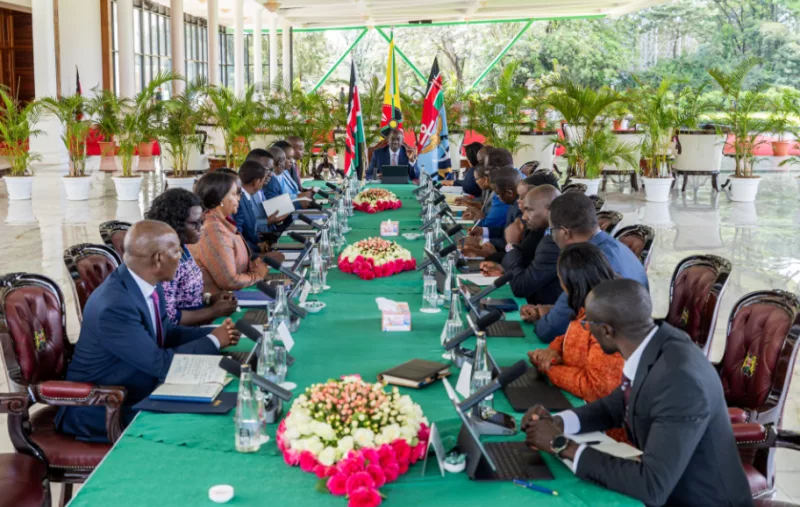
Cabinet last week approved the settlement of 28,726 verified claims worth Sh23.7 billion, representing 98 per cent of the 29,257 claims recommended for payment following a review by the Pending Bills Verification Committee.
The payments will target government suppliers and contractors owed Sh50 million and below, with priority given to micro, small and medium enterprises (MSMEs), particularly those owned by women, young people and persons with disabilities.
Kenya National Chamber of Commerce and Industry has since welcomed the move, with the chamber’s president Erick Ruto, saying the decision would provide much-needed relief to businesses that have struggled with delayed payments, some dating back to 2005.
“This will go a long way in relieving the pain of many MSMEs and businesses that have suffered as a result of the delays in payments,” Ruto said, adding that the move is expected to ease business financial pressure and inject liquidity into the economy and support growth.
However, the chamber cautioned that the approved payout was only an initial step towards resolving the wider problem of government arrears, warning that prolonged verification processes had already cost businesses opportunities and eroded the value of their claims through inflation.
The Pending Bills Verification Committee received 115,617 claims worth Sh664.8 billion.
Following its review, 29,257 claims valued at Sh155.34 billion were recommended for settlement.
The Sh23.74 billion approved for payment represents a significant portion of the recommended claims, but leaves a substantial balance requiring further action.
KNCCI called on the government to accelerate and conclude the verification of outstanding claims, followed by prompt settlement by both national and county governments.
The chamber also urged the government to lower the cost of doing business by reducing taxes and harmonising levies, fees and charges imposed by the two levels of government.
It further called for improved access to affordable, appropriate and patient financing, which it identified as a persistent constraint to the growth of small businesses.
Delayed payments have been a longstanding concern for businesses supplying goods and services to public entities, with unpaid invoices tying up working capital needed to pay workers, purchase stock, meet tax obligations and service loans.
For smaller firms, the delays can disrupt operations and limit their ability to secure new contracts, even where the underlying business remains viable.
KNCCI said supporting MSMEs was critical because of their contribution to employment, household incomes, innovation, local production and inclusive economic growth.
The chamber cited the 2016 MSME survey, which showed that Kenya had more than 7.4 million micro, small and medium enterprises employing over 14.4 million people and contributing about 33.8 per cent of gross domestic product.
Ruto urged the national and county governments to sustain their focus on the sector and implement policy commitments made through engagements with business representatives.
The chamber's position signals that while the latest approval is a welcome development, businesses are looking for a comprehensive and predictable framework for clearing verified arrears, alongside reforms to reduce the cost of operating in Kenya.
The key test for affected suppliers will be how quickly the approved payments reach their accounts and whether the government can establish a more reliable payment system to prevent the accumulation of fresh arrears.