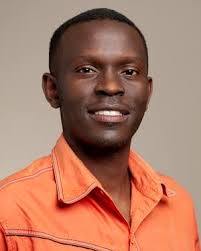
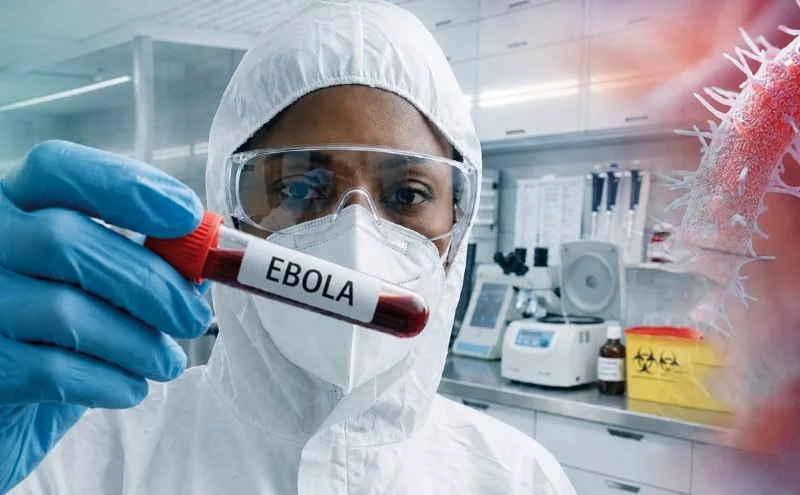
 Two scientists at the University of Oxford, Teresa Lambe and Rebecca Makinson, are part of the group who are working to develop a vaccine for the Bundibugyo strain of Ebola strain
Ugandan scientists have started testing a new vaccine against the Bundibugyo strain of Ebola, the virus responsible for Kenya’s first confirmed case.
The first volunteers received doses of the experimental vaccine on October 6 in Masaka City in an early-stage clinical trial designed to establish whether it is safe and can trigger an immune response.
Kenya confirmed its first imported case of Bundibugyo virus disease on October 6 after a Kenyan man who had been living in the Democratic Republic of Congo travelled through Uganda to Nairobi. He died on October 5, prompting authorities to begin contact tracing and other measures to prevent further infections.
The Ugandan trial is being conducted by the Medical Research Council/Uganda Virus Research Institute and London School of Hygiene and Tropical Medicine Uganda Research Unit, in partnership with the University of Oxford.
The vaccine candidate, known as ChAdOx BDBV, is being developed specifically against the Bundibugyo virus. The trial follows the launch of an earlier Phase I study of the same candidate in the United Kingdom in July.
The Coalition for Epidemic Preparedness Innovations is funding both studies. The Serum Institute of India has manufactured and stockpiled about 620,000 doses of the experimental vaccine candidate, including approximately 3,000 doses supplied for the Ugandan trial.
Prof Eugene Ruzagira, principal investigator for the Uganda study, said the research will help establish whether the vaccine is safe and capable of stimulating immune responses that could protect people at risk in future outbreaks.
“Bundibugyo virus disease is a form of Ebola with no approved vaccine or specific treatment. By evaluating the ChAdOx-based Bundibugyo Ebola vaccine candidate in Uganda, we are generating the evidence needed to determine whether it is safe and capable of stimulating the immune responses that could help protect at-risk communities in future outbreaks.”
The study will initially assess safety and the vaccine’s ability to stimulate an immune response in healthy adult volunteers. It is not yet a proven vaccine and cannot be assumed to prevent infection.
Kenya has previously contributed to the development of an Ebola vaccine through clinical research conducted at the Kenya Medical Research Institute-Wellcome Trust Research Programme in Kilifi.
The research involved the rVSV-ZEBOV vaccine candidate, which was later developed into Ervebo by pharmaceutical company Merck. The vaccine was tested in Kenya as part of international studies before it was approved to protect against Ebola caused by the Zaire species of the virus.
However, Ervebo does not have an approved indication against Bundibugyo virus disease. The World Health Organization says there is insufficient evidence to determine whether it protects people against this species.
The WHO has allowed Ervebo to be used against Bundibugyo only within research protocols, including clinical trials designed to establish whether it provides protection. It has not approved the vaccine for routine use against the current outbreak.
The distinction is important because Ebola is caused by different virus species, and a vaccine developed against one does not necessarily protect against another.
The new vaccine candidate being tested in Uganda is therefore part of efforts to close a major gap in protection against the disease.
Bundibugyo virus was first identified during an outbreak in western Uganda in 2007. Unlike the Zaire species, for which Ervebo is licensed, Bundibugyo still has no licensed vaccine.
Prof Moffat Nyirenda, director of the MRC/UVRI and LSHTM Uganda Research Unit, said the trial reflected Uganda’s growing contribution to vaccine research.
“This trial demonstrates how sustained investment in scientific excellence, research infrastructure and long-term partnerships has positioned Uganda as a leading centre for vaccine research in Africa. Working alongside collaborators in Uganda, across Africa and internationally, we are contributing high-quality science that will accelerate the development of vaccines against emerging infectious diseases and strengthen global epidemic preparedness.”
Associate Prof Muhammed Afolabi, co-director of the LSHTM Vaccine Centre, said the trial was an important step towards developing a vaccine against this Ebola species.
“This is a significant milestone towards the development of a real-world vaccine against this strain of Ebola. By running a clinical trial in Uganda, scientists are building on the MRC/URVI & LSHTM Uganda Research Unit’s three decades of experience in vaccine research and clinical trials. Additionally, they are ensuring that communities who need the vaccine most have a direct role in its manufacturing.”
He said partners must ensure affordable access if the vaccine proves successful.
“To ensure a truly equitable vaccine roll-out after successful testing, all partners must follow through on their commitments to ensure the rapid and affordable supply of the vaccine to those who have been most affected.”
Prof Martin Antonio, co-director of LSHTM’s Centre for Epidemic Preparedness and Response at its Medical Research Council Unit in The Gambia, said research must continue alongside efforts to control the outbreak.
“By obtaining robust safety and efficacy data of a vaccine candidate through this clinical trial, we are one step closer to bringing this Ebola outbreak to an end.
“I am delighted that this clinical trial is being led by African scientists, using local knowledge and expertise with support from international partners, as it cements the African continent’s position at the forefront of global pandemic preparedness.
“This is not a time for complacency as waiting for the vaccine to bring the outbreak to an end will lead to the further tragic loss of lives. Outbreak response efforts must continue: led by local and national governments and informed by communities who are affected most.”
If the early trials produce encouraging results, CEPI plans to work with Oxford University and the Serum Institute of India to support later-stage trials needed for emergency-use authorisation or licensing.
The partners say they intend to make the vaccine available rapidly and affordably to affected countries and people at greatest risk, including health workers, household caregivers and family members of infected people.