 Many generations would remember the good things done by the former PM through his struggles, hardships, pain and sweat
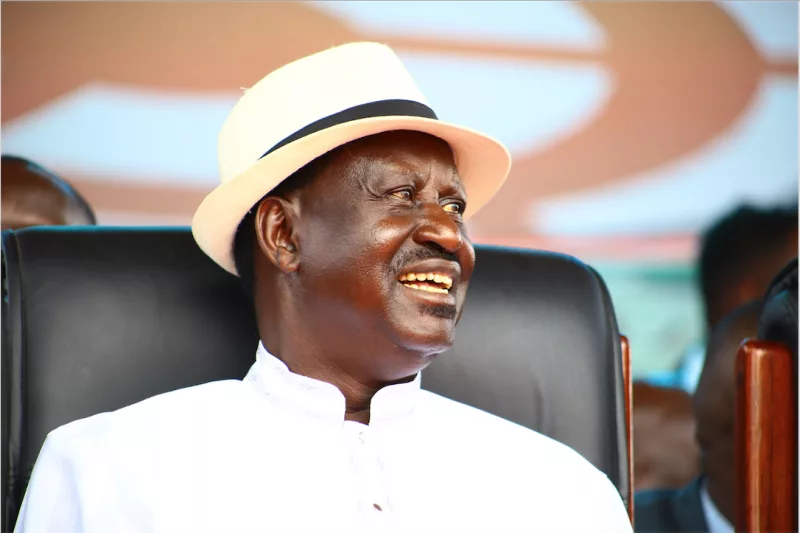
Last year on October 15, the nation of Kenya was thrown into mourning after the passing on of the second Prime minister Raila Odinga. A sombre mood engulfed in all parts of the country because, Raila was like a fatherly figure to many citizens. Majority of Kenyans referred to him through various nicknames and titles like: Baba, Agwambo, Jakom, Tinga and people's president. He himself believed that he was Joshua, a biblical figure associated with taking of the Israelites from the hands of Moses into the promised land of Canaan.
In the Kenyan context, he might have meant to deliver the citizens from the chains and yokes of bad leadership and poor governance into economic progress and prosperity. Some scholars called him enigma due to his mysterious and unpredictable way of doing politics. It was not easy to understand him because he used to do great comebacks after numerous setbacks.
Many generations would remember the good things done by the former PM through his struggles, hardships, pain and sweat. For instance, in the second liberation of Kenya, he stood firmly, courageously, boldly and decisively with other comrades to demand for multipartyism in the country's political system. During the days of one party rule, it was never easy to manoeuvre and start preaching the gospel of political reforms and pluralism. However, he defied the odds and joined the struggle. The man was never a coward and timidity was not his nature. He was a gallant son of Kenya and liberation hero who paid the ultimate price for the re-introduction of multiparty politics.
The democracy which all Kenyans are enjoying was paid for by him and other like-minded liberators. Nothing came on a silver platter in the country starting from the struggle for independence, multipartyism, democracy and the new constitution. Kenyans who were born in this century might not understand fully the role played by Raila in bringing some of the democratic reforms to the country's limelight. After Kenya became a dejure one party state in 1982, it became a taboo to criticise the excesses of the government. The Kanu regime that was in power silenced the government critics through various ways like detentions without trial and forced disappearances. Raila was amongst the Kenyan liberators who found themselves in the Nyayo House torture chambers. He tasted the wrath of Nyayo era rule through detentions without trial and torture.
Against the expectations of many Kenyans, the former ODM leader shook hands with the last four Kenyan presidents, even though at some point in the political spectrum, they made him swallow a bitter pill. Other Kenyan politicians, leaders and citizens used to bash him for his handshakes, however, later on it came to be realised that those actions were for the betterment of the country. For instance, the 2008 handshake with President Mwai Kibaki stabilised the nation and brought peace in various parts that had witnessed the turmoil of the post election violence. In 2018, again he did a famous handshake with President Uhuru Kenyatta. Some criticised him, however, the handshake pacified the country which had been sharply divided along tribal lines in relation to the outcome of the 2017 presidential election. These are some of the qualities which defines a statesman not greed and selfishness.
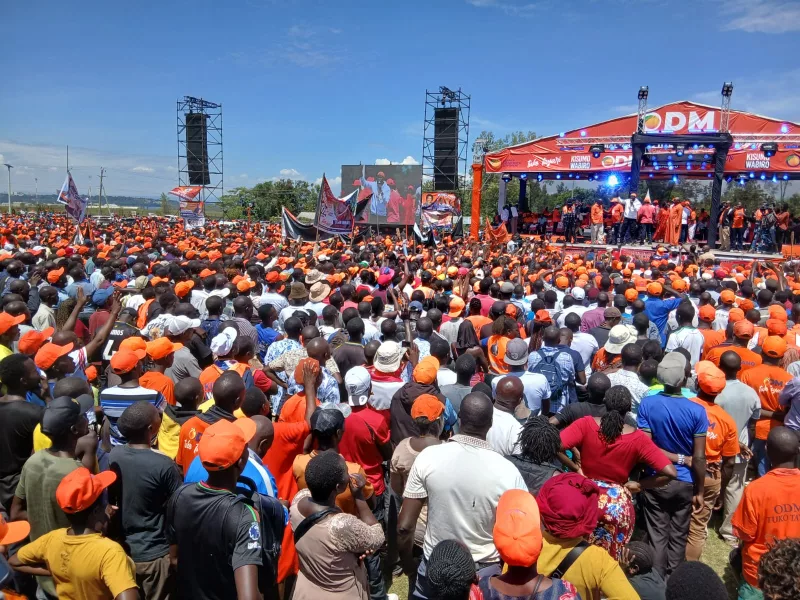
The new 2010Constitution which has smoothly governed the nation was also supported by Raila. He threw his weight on the written document which other Kenyans had casted doubts in it. Among the good things which were brought by the new constitution is the aspect of devolution. The 47 devolved units that were created in the country courtesy of the constitution have decentralised power and brought some services closer to people. Raila did many rallies together with other political heavyweights to persuade Kenyans on the significance of voting for the newly proposed constitution. This means that he deserves to be given credit, because his efforts made many Kenyans to overwhelmingly support the constitution. The successive regimes needs to uphold the principles that Raila stood for.
The name Raila will forever be engraved in the nation's history because he left indelible marks and lasting legacy in various fields. He was a patriot, towering statesman, pan-Africanist, relentless defender of democracy and a champion of the rule of law and constitutionalism. He also advocated for unity and yearned for a better nation in which every Kenyan would be proud of regardless of the social status. For instance, he built his political support beyond the tribal lines and regional boundaries. This clearly illustrated that he was not a tribal leader but a nationalist with good plan and agenda for the country. He may not have ascended into the Kenya's top seat, but he won the hearts of many citizens. Kenyans should emulate his spirit in the fight for good governance and the demand for justice and better Kenya.
There are many ways of immortalising the enigma of Kenyan politics. Raila’s heroic deeds can be immortalised through naming of institutions under his name. Construction of new schools, colleges and universities in his honour would be a great way of remembering him. The Raila Odinga Memorial Address at Daystar University is just a stepping stone in laying the foundation for his legacy. Discussing Raila's legacy in great institutions like the universities through public lectures and motivational talks is a very brilliant idea. Some of his writings and speeches need to be studied in the universities, especially to the law, history, literature and political science students just like those of his father Jaramogi Oginga Odinga. This might make them gain deep insights from the books which he authored and use the knowledge to understand the political problems of Kenya.
Last but not list, in the field of sports Raila's name needs to be forever written in ink. The Ministry of Sports, Culture and Heritage has done an honourable thing by renaming the Talanta Sports City to Raila Odinga International Stadium. It is one of the best direction, because Raila was a lover of sports, especially football. He used to cheer the national team of Harambee Stars and was also a patron of Gor Mahia, one of the Kenya's most successful football club in the premier league. Kenya has already two stadiums bearing Raila's name, others may also be constructed or re-named in his honour. This would be very impactful not only to the world of sports, but also to the Kenyan football enthusiasts.