Kenya’s opposition can agree that President William Ruto should leave office in 2027 but agreeing on who should replace him, through which political vehicle and under whose authority, will be considerably harder.
Shared dissatisfaction does not erase competing ambitions. First, party fragmentation creates rival centres of power.
Kalonzo Musyoka has Wiper Patriotic Front; Rigathi Gachagua has Democracy for Citizens Party; Martha Karua leads People’s Liberation Party; Eugene Wamalwa leads Democratic Action Party of Kenya.
Even within Linda Mwananchi, Edwin Sifuna’s The Equitable Party, Babu Owino’s The Mwananchi Party and Kawira Mwangaza’s Umoja na Maendeleo represent separate vehicles.
Each protects nominations, resources and bargaining power.
Those differences give outside actors opportunities to exploit grievances and inflame internal disputes.
Secondly, overlapping formations complicate negotiations.
The United Opposition umbrella, Linda Mwananchi movement and Azimio’s rebranded Ukombozi Alliance are distinct arrangements with different leadership expectations.
Their coexistence raises difficult questions like whose structures prevail, which agreement governs nominations, and who controls the presidential ticket?
Third, generations disagree over political entitlement.
Kalonzo’s long wait encourages the perception that 2027 is his last realistic presidential opportunity. Compromise could therefore feel like permanent retirement.
Younger leaders, particularly Sifuna, embody demands for renewal and resist treating seniority as an automatic qualification.
Reconciling accumulated sacrifice with emerging electoral appeal requires credible selection rules, rather than declarations that someone’s turn has arrived.
Fourth, suspicion encourages exclusion. Gachagua’s allies have branded Ndindi Nyoro a government “mole”, an allegation Nyoro rejects.
Such accusations turn competition for Mount Kenya influence into tests of loyalty.
Gachagua’s distance from the revived Azimio framework also exposes unsettled inclusion, although recent reports suggest he is being considered for a leadership role.
Invitations alone cannot repair mistrust. Unity will require more than joint rallies. Leaders need transparent candidate selection, negotiated nomination rules, an agreed policy programme and dependable dispute resolution.
Unless they accept limits on personal ambition and party dominance, the opposition risks becoming a collection of presidential projects competing beneath the same slogan.
Voters also need evidence that these leaders can manage disagreement before entrusting them with governing a divided country.
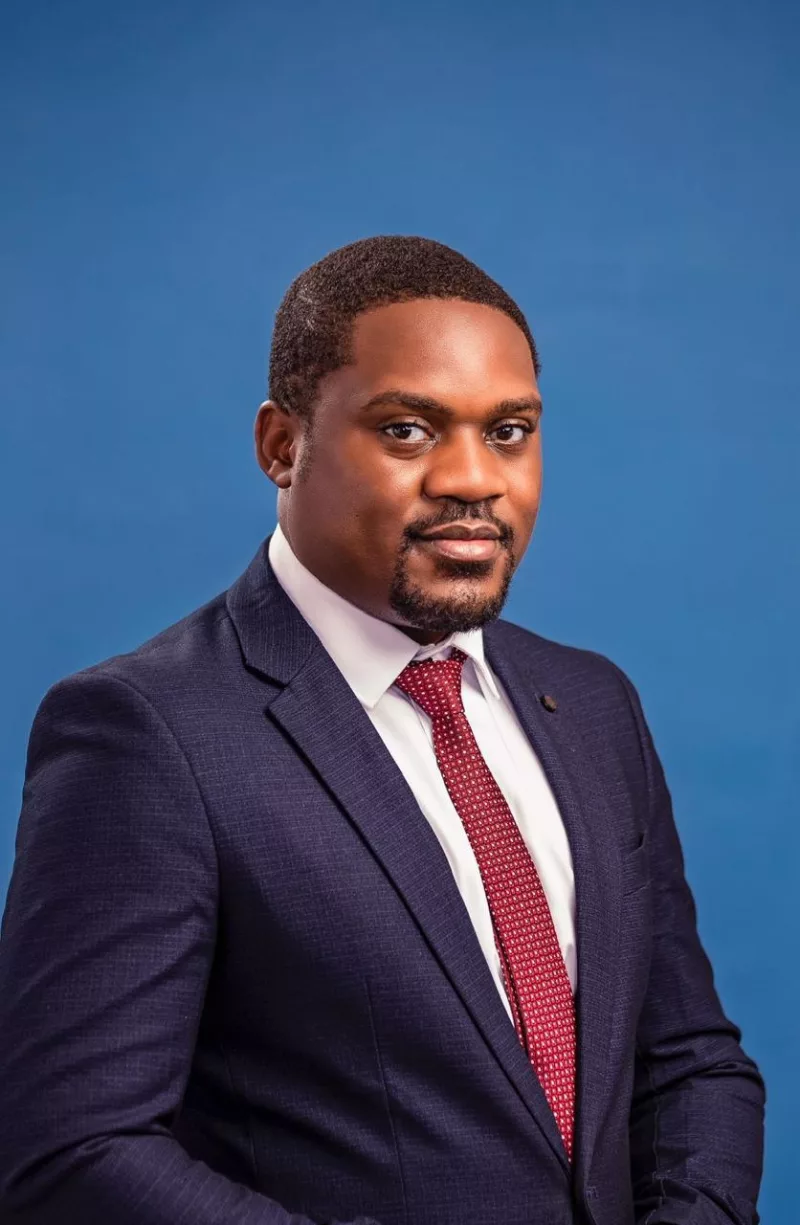
The Mandela Washington Fellow 2025 IGAD spoke to the Star