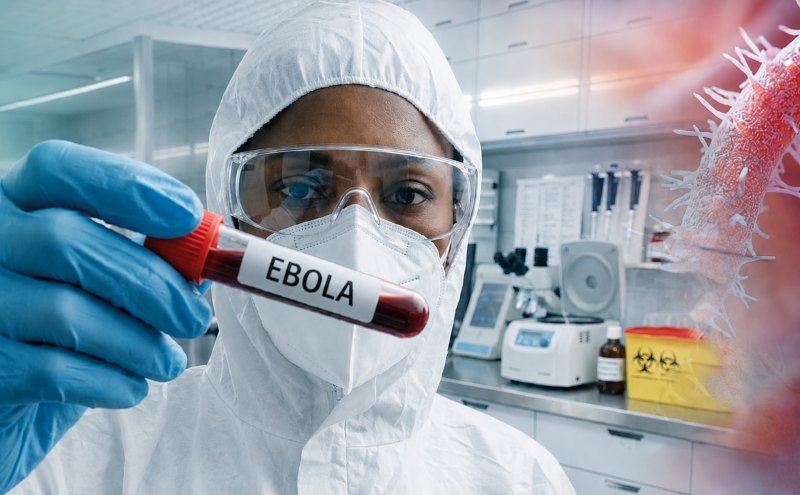
 Two scientists at the University of Oxford, Teresa Lambe and Rebecca Makinson, are part of the group who are working to develop a vaccine for the Bundibugyo strain Ebola strain.
Pharmacists and pharmacy care teams have been urged to heighten vigilance and promptly refer suspected Ebola cases following confirmation of Kenya's first imported case of Bundibugyo Ebola Virus Disease.
The Pharmaceutical Society of Kenya (PSK) said pharmacies are among the most accessible points of contact with the health system, meaning patients experiencing early symptoms may seek advice, treatment or medicines from pharmacists before visiting other health facilities.
In an advisory issued on Wednesday, October 7, PSK president Dr Wairimu Mbogo urged pharmacists to ensure their teams can recognise potential Ebola cases, protect themselves and other patients, and activate appropriate referral and public health pathways.
"Recognise. Protect. Refer. Report," she said, outlining the key steps pharmacy teams should follow when dealing with suspected cases.
Pharmacists have been advised to maintain a high index of suspicion among patients presenting with fever or a history of fever, marked weakness or fatigue, chills, muscle pain, sore throat or other concerning symptoms.
Where clinically appropriate, pharmacists should establish a patient's recent travel and exposure or contact history early.
PSK said pharmacy teams should minimise unnecessary contact with anyone suspected of having Ebola and avoid unnecessary physical examinations, injections, invasive procedures or contact with bodily fluids.
The society also called for strict adherence to hand hygiene, appropriate use of personal protective equipment (PPE), environmental cleaning, safe waste handling and other infection prevention and control measures.
"A pharmacy should not attempt to routinely manage a suspected Ebola case. Separate the patient from others as safely as practicable and activate the appropriate referral pathway," PSK said, cautioning against directing a potentially infectious patient to move independently between pharmacies or health facilities.
Pharmacists have instead been urged to promptly engage appropriate public health and surveillance channels in line with Ministry of Health guidance to reduce the risk of transmission.
The advisory comes a day after the Ministry of Health confirmed Kenya's first-ever Ebola case involving the Bundibugyo strain.
The patient, who had fallen ill about a month earlier, travelled by road from the Democratic Republic of Congo (DRC) to Kampala before flying to Kenya on October 3.
He died hours after the case was confirmed. Health Cabinet Secretary Aden Duale said 27 contacts of the deceased, including family members and healthcare workers who attended to him, had been traced and isolated.
Authorities were also working to trace 23 passengers and four crew members who were on the flight from Uganda to Kenya.
The government has said it had maintained a high level of alert since the current Ebola Bundibugyo outbreak was reported in the DRC in May.
"As of October 6, 2026, we have screened 652,584 travellers. We have tested 267 samples across five laboratories," Duale said.
PSK said everyone working within a pharmacy, including pharmaceutical technologists, administrative staff and support teams, should be briefed on what to do if a suspected case presents.
The society further stressed the need to protect patient confidentiality, warning pharmacy teams against circulating names, photographs, travel details or unverified information about suspected cases on social media.
"The Ministry has also provided toll-free line 719 for official information," PSK said.
The government has separately advised Kenyans to wash their hands frequently or use alcohol-based hand sanitisers, avoid close contact with sick people arriving from countries reporting active Ebola transmission, and avoid handshakes, hugging and crowded places where possible.
The ministry has also urged anyone who becomes unwell to seek care at a recognised health facility and report people known to be unwell to the nearest facility.
PSK urged pharmacists to remain calm while taking the threat seriously, saying their accessibility and expertise place them at an important point in Kenya's health-security response.
"Do not panic, but do not dismiss. Timely referral and responsible communication can protect our patients, our teams and our communities," the society said.