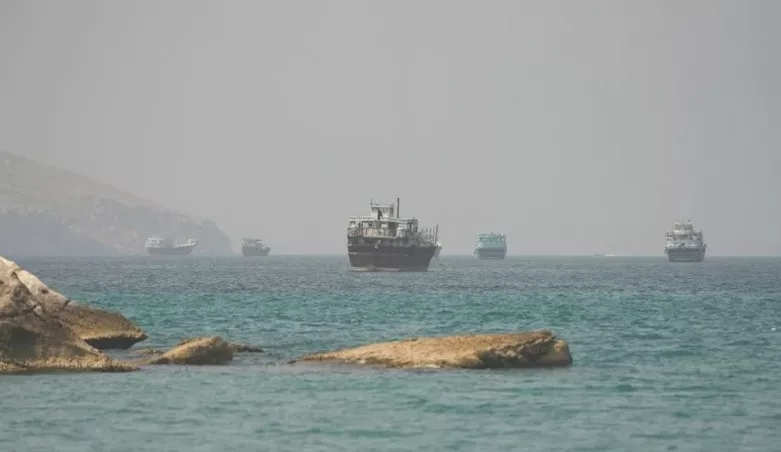
 Iran-US conflict affects transportation in the Strait of Hormuz.
An additional 11.7 million women and girls could face food insecurity by the end of 2026 as the escalation in the Middle East and disruption to the Strait of Hormuz push up food prices and strain household incomes, according to a new UN Women analysis published on 2 October.
The report, titled Food security risks of the Middle East escalation for women and girls, finds that women and girls account for 53 per cent of the projected 22 million additional people who could face food insecurity by the end of the year across the 28 countries analysed. This is on top of an estimated 208 million women and girls who were already food insecure or undernourished in these countries. UN Women stresses that these are scenario-based estimates, not forecasts.
Disruptions to shipping through the Strait of Hormuz are driving up energy, fertiliser and transport costs, which in turn push up food prices. Combined with potential income and livelihood losses, these rising costs could make food harder to afford. For many women, existing inequalities in employment and access to financial services leave them with fewer resources to absorb these shocks, the analysis says.
UN Women Deputy Executive Director Nyaradzayi Gumbonzvanda said women are often the first to cut back when food runs short. "We know, as a matter of fact, that when food becomes scarce, women eat less and last. They often shift to less nutritious diets or skip meals altogether to prioritize the needs of others. Gender inequalities dictate who has access to food and the resources to obtain it. Therefore, investing in women and girls is a sure way of ensuring the well-being of families and communities," said Gumbonzvanda.
More populous countries have the largest numbers of women and girls who could face food insecurity. However, South Sudan, Sudan, Haiti, Yemen and Palestine face more concentrated risks because several sources of vulnerability overlap, the analysis found.
In South Sudan, the additional number of women and girls who could face food insecurity represents around 14 per cent, or one in seven, of the female population. This is the highest proportion among the countries analysed. Lebanon is second, at nearly 4 per cent of its female population.
In many countries, women and girls make up a larger share of those at risk. The analysis estimates the share at 60 per cent in Afghanistan, more than 57 per cent in Yemen and nearly 56 per cent in Sudan.
Employment also shapes who can cope. In Egypt, Iraq, Palestine, Sudan and Syria, around 80 per cent of women are outside the labour force. In Afghanistan and Yemen, the figure rises to around 95 per cent. Among employed women, more than 80 per cent work in vulnerable employment in Afghanistan, Burkina Faso, Ethiopia, Haiti, Mali and South Sudan.
Access to financial services could provide a cushion, but many women lack it. In Iraq, Lebanon, Pakistan and Yemen, fewer than one in five women owns a bank or mobile money account. That limits their ability to save, receive remittances or cash assistance, or borrow safely when prices rise or incomes fall. It can push them towards informal lenders, relatives or other household members, potentially putting their safety and protection at risk, the analysis says.
UN Women is calling for an integrated response that combines food and cash assistance with nutrition, protection, livelihoods and agricultural support, while ensuring women can access land, credit, services and other productive assets. It also wants resources targeted at places where women and girls face multiple, overlapping risks and delivered at the right time, including ahead of agricultural seasons.
The agency says better data are needed to show where food insecurity is worsening and who is eating less, losing livelihoods, taking on more unpaid care work, or facing heightened nutrition and protection risks within households.
UN Women also joined calls for de-escalation and respect for international law, and echoed the Secretary-General's call for all parties to work towards diplomatic solutions that advance regional and international peace and security.