Tensions, distrust and strategic rivalry can hardly be separated from the ongoing war involving Iran, Israel and the United States, a conflict whose fault lines stretch far beyond missiles, military strikes and the skies over the Middle East.
At its core is a contest over sovereignty, national interest, regional influence and deterrence but also a fundamental disagreement over the rules that should govern relations between states. For Tehran, the war is not simply a military confrontation.
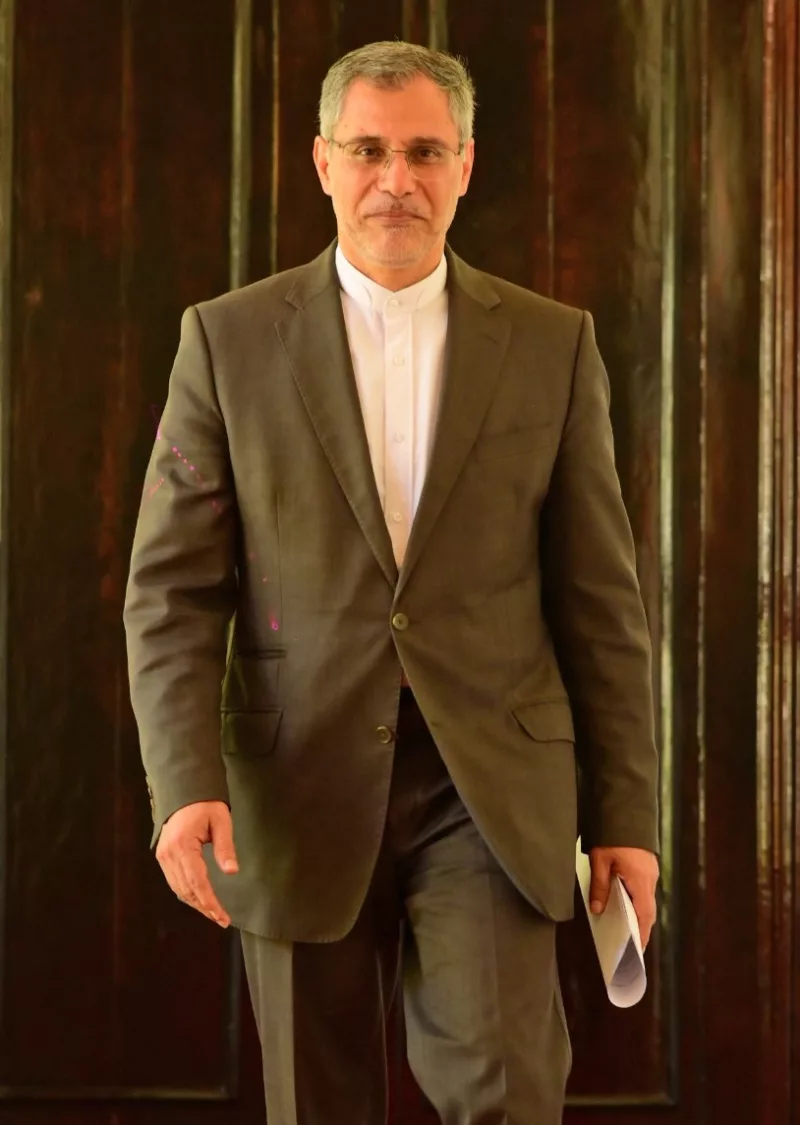
It is a struggle over sovereignty and what Iran considers its right to determine its own security interests without external coercion. It is against this backdrop that I sat down with Dr Ali Gholampour, Iran's Ambassador to Kenya, to understand Tehran's position on the war, its nuclear programme, the Strait of Hormuz, regional security and the possibility of diplomacy. His answers offer a window into Iran's strategic thinking at a time when the Middle East remains caught between military confrontation and attempts to reopen diplomatic channels.
A WAR BEYOND THE BATTLEFIELD
The conflict has transformed the language of international diplomacy. What began as a confrontation centred on security and Iran's nuclear programme has evolved into a wider struggle involving military deterrence, economic sanctions, maritime security and competing claims over self-defence.
The effects are not confined to the countries directly involved. The Strait of Hormuz, one of the world's most important energy corridors, has become particularly significant. Any prolonged disruption to shipping through the waterway has implications for oil markets, transport costs and economies far from the Gulf.
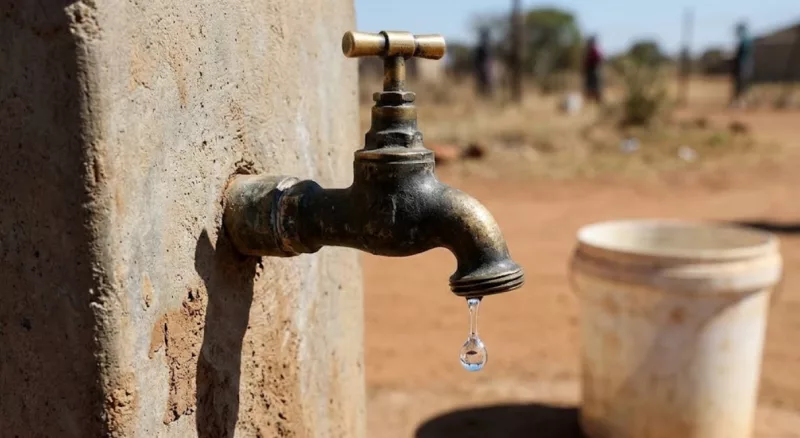
For countries such as Kenya, which imports petroleum products, developments thousands of kilometres away can eventually appear at the pump, in transport costs and in the price of goods.
That is why, for Gholampour, the question of the Strait cannot be separated from the broader question of why the conflict began. Iran maintains that its restrictions on shipping are a response to military operations against it, while arguing that commercial vessels that are not involved in hostilities should be able to pass under the conditions set by Tehran.
THE QUESTION OF SOVEREIGNTY
At the heart of Tehran's narrative is sovereignty. Gholampour argues that Iran has been subjected to what he describes as repeated aggression and maintains that the country has a right to defend itself. For Iran, the United Nations Charter provides an important reference point. Article 2(4) of the Charter prohibits states from using force against the territorial integrity or political independence of another state, while Article 51 recognises the inherent right of individual or collective self-defence in the event of an armed attack. It is around these two principles that competing interpretations of the conflict have emerged. Tehran argues that military strikes against Iranian territory violate the prohibition on the use of force and that Iran's subsequent military response falls within the principle of self-defence. For Gholampour, however, the distinction is clear. Iran, he argues, is defending its sovereignty rather than seeking a war of expansion.
THE NUCLEAR QUESTION
Few issues have shaped Iran's relationship with the West as much as its nuclear programme. Tehran insists that its nuclear activities are peaceful and that Iran, as a member of the Nuclear Non-Proliferation Treaty, has both obligations and rights under the international framework governing nuclear technology. Gholampour rejects the suggestion that nuclear weapons form part of Iran's military doctrine. He points instead to civilian applications of nuclear technology, including medicine, agriculture, scientific research and energy. That position was also reflected in Iranian President Masoud Pezeshkian's appearance at the United Nations General Assembly, where he defended Iran's right to peaceful nuclear technology. The nuclear question nevertheless remains one of the biggest obstacles to a diplomatic settlement. For Tehran, the issue is tied to sovereignty and the right to peaceful nuclear development. For its opponents, the concern is whether Iran could eventually develop the capability to produce nuclear weapons, even if it maintains that it does not intend to do so. That disagreement has created a persistent security dilemma. The more Iran seeks strategic capabilities to protect itself from external threats, the more those capabilities can be interpreted by its adversaries as evidence of a growing threat.
THE UN GENERAL ASSEMBLY: DIPLOMACY ON DISPLAY
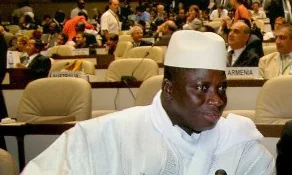
Perhaps nowhere was this diplomatic contest more visible than at the United Nations General Assembly in New York. Iranian President Masoud Pezeshkian addressed world leaders on September 23, at a time when Tehran was under enormous military and diplomatic pressure. His message was centred on sovereignty, resistance to coercion and the need for diplomacy. Pezeshkian argued that Iran needed to remain strong to avoid being threatened, while maintaining that Tehran was open to negotiations. A day later, Israeli Prime Minister Benjamin Netanyahu took the same podium. The two appearances illustrated the wider diplomatic contest. Two leaders. One global stage. Two competing narratives. At the centre of that contest was a question that has defined the conflict for years: is security achieved through military superiority and deterrence, or through negotiated guarantees and diplomatic accommodation?
THE STRAIT OF HORMUZ
If the nuclear issue represents the strategic dimension of the conflict, the Strait of Hormuz represents its economic dimension. The narrow waterway connects the Persian Gulf with the Gulf of Oman and the wider Arabian Sea. Its importance to global energy markets means that any disruption can have consequences far beyond the region. For Kenya, the connection is direct. Higher international oil prices can increase the cost of transport, manufacturing and electricity, eventually feeding into household expenses. This is why the war cannot be treated simply as a distant geopolitical confrontation. Gholampour argues that the international community should also examine why restrictions on maritime traffic emerged. From Tehran's perspective, Iran historically allowed commercial shipping through the waterway but changed its position after military operations against it. The disagreement over Hormuz therefore reflects the wider struggle over leverage. For Iran, the waterway provides strategic influence.
DIPLOMACY AND THE TRUST DEFICIT
Despite the intensity of the conflict, diplomacy has not disappeared. In fact, some of the most significant developments have taken place away from the battlefield. Iran has presented proposals involving a cessation of hostilities, sanctions relief, the unfreezing of Iranian assets and reopening the Strait of Hormuz, while seeking renewed negotiations on the nuclear issue. The existence of negotiations is significant because it demonstrates that military confrontation has not completely eliminated diplomatic space. But there is a major obstacle: trust. Iran's leadership remains deeply suspicious of guarantees from Washington and its allies, particularly after previous diplomatic arrangements collapsed. From Tehran's perspective, an agreement is meaningful only if there is confidence that its provisions will survive political changes in Washington and future shifts in American policy.
WHAT WOULD PEACE LOOK LIKE?
For Gholampour, diplomacy remains possible. But Tehran's position is that negotiations cannot simply demand concessions from Iran. The ambassador argues that an acceptable settlement would need to address the broader security environment, including military attacks, sanctions and what Iran regards as violations of its sovereignty. Iran has also called for sanctions relief and the unfreezing of assets as part of a diplomatic pathway. The gap between these positions remains substantial. Yet the very existence of diplomatic contacts suggests that neither diplomacy nor military pressure has completely settled the dispute. That leaves the region caught between two competing approaches: coercion and negotiation.
THE KENYAN CONNECTION
For Kenya, the Iran-Israel confrontation is not merely an international-relations story. Kenya has economic and diplomatic interests in the wider Middle East, including trade with both regional and international partners. The Strait of Hormuz is particularly important because disruption to energy supplies can affect global prices. Iran's ambassador has also highlighted the importance of bilateral trade between Tehran and Nairobi, including the longstanding issue of Kenyan tea exports to Iran. This gives Kenya a stake in stability even though it is geographically distant from the conflict. A prolonged war could affect shipping costs, insurance premiums, commodity prices and investment decisions.
BETWEEN WAR AND DIPLOMACY
The most striking feature of the Iranian position is that it combines two messages that may initially appear contradictory. Tehran insists that it is prepared to defend itself militarily. At the same time, it says it remains open to diplomacy. That position was reflected in Pezeshkian's appearance at the UN General Assembly, where he defended Iran's sovereignty and peaceful nuclear rights while maintaining that dialogue remained possible. Gholampour similarly argues that negotiations remain the preferred route to resolving disputes, while insisting that Iran must be prepared for continued confrontation if diplomacy fails. That is deterrence in its classic form: maintaining the capacity and willingness to respond in order to make further aggression more costly. But deterrence carries its own risks. When two states believe that backing down could expose them to greater danger, military escalation can become self-reinforcing. This is where diplomacy becomes critical. Negotiations provide a mechanism through which states can communicate their red lines without necessarily testing them through military action.
A CONFLICT WITHOUT A SIMPLE ENDING
The Iran-Israel confrontation cannot be reduced to a single disagreement. It encompasses nuclear non-proliferation, sovereignty, regional security, military deterrence, sanctions, energy security, maritime trade and the wider struggle over the balance of power in the Middle East. For Iran, the central argument is sovereignty: the right to determine its national interests without external coercion. For its adversaries, the central argument is security: preventing Iran from acquiring capabilities or influence that they consider threatening. Between those positions lies diplomacy. Yet the diplomatic contacts also offer another possibility. Even after months of war, the two sides — directly or through intermediaries — continue to search for leverage at the negotiating table. Military power can change the balance on the battlefield. Sanctions can impose economic pressure. Strategic waterways can provide leverage.
But none of these, on their own, can resolve the underlying dispute over sovereignty, security and regional order. For now, Iran's position remains that it will negotiate without surrendering what it considers its core national interests. And as long as those interests remain fundamentally opposed to the security demands of its adversaries, the Middle East remains suspended between confrontation and diplomacy. The question is no longer simply who can exert greater military pressure. It is whether the competing security calculations can eventually be transformed into a political settlement before another round of escalation makes that possibility even harder to reach.