What changed after ‘Kitemeo’
The breakthrough brought performances, recognition and a new fan base.
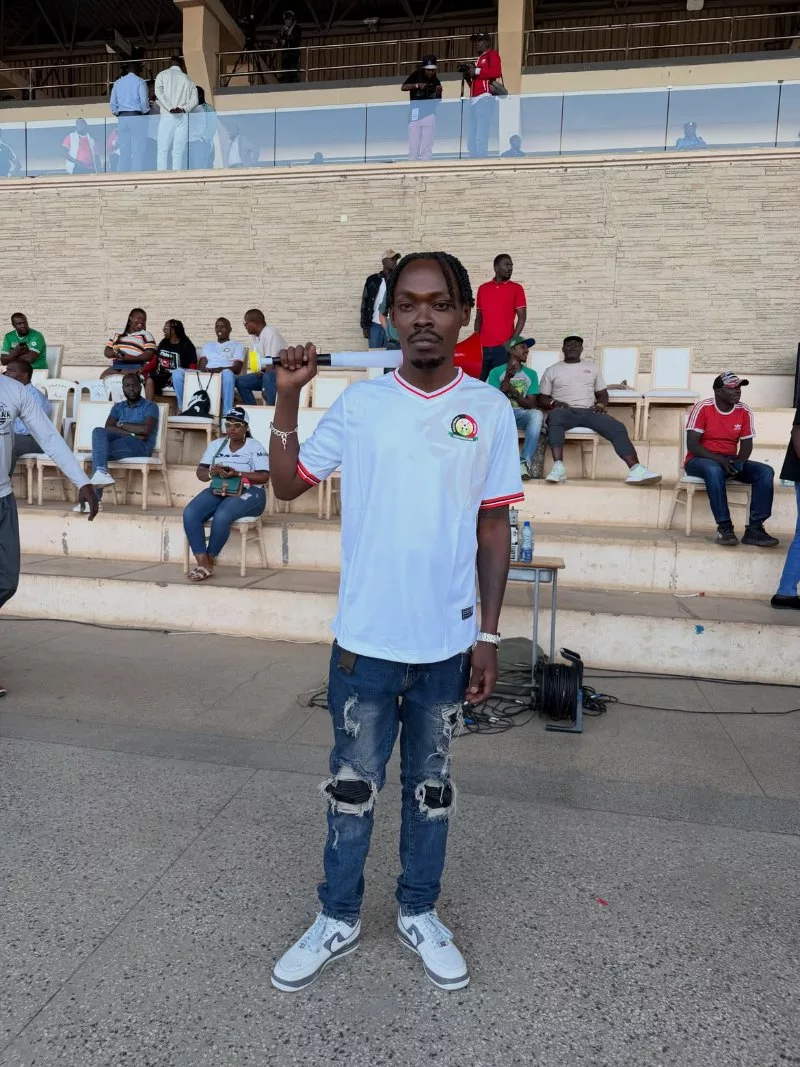
Kapitani recalled being shocked when the song attracted about 130,000 views within hours of its release. Before then, he said his releases would typically attract around 40,000 to 50,000 views.
The success was not without complications.
‘Kitemeo’ was temporarily removed from YouTube following a dispute involving Kapitani and fellow artiste Master VK over ownership and copyright.
Kapitani later said his management was working to have the video restored. The dispute was subsequently resolved, with reports that Master VK agreed to the song's restoration
Moving beyond the viral moment
Rather than relying solely on the formula that made ‘Kitemeo’ popular, Kapitani has begun showing another side of his music.
His September release ‘Safe’ deals with the loss of his parents and the experience of growing up as an orphan.
The song was released on September 18 and marked a more personal direction for the rapper. That change has already produced results.
By September 26, Safe had reached number one on Kenya's YouTube trending music chart, replacing Toxic Lyrikali's Hongo Ya Karao Vol. II at the top.
Building a bigger catalogue
Kapitani is also continuing to work with other artists.
He appears on Virusi Mbaya's 28-track album Matenjagwo, featuring on ‘Freno Za Foreigno’.
He has also collaborated with Toxic Lyrikali and Mauru Gwash on Hongo Ya Karao Vol. II, another track that has featured prominently on Kenya's YouTube music rankings.
For Kapitani, the post-Kitemeo period is therefore becoming less about proving that he can make a viral song and more about showing what else he can do.
His next challenge is maintaining the audience that arrived with the breakthrough while continuing to expand his sound and tell stories from his own experience.