More than a match-day friendship?
The latest interaction has added to a relationship that has also been visible away from football.
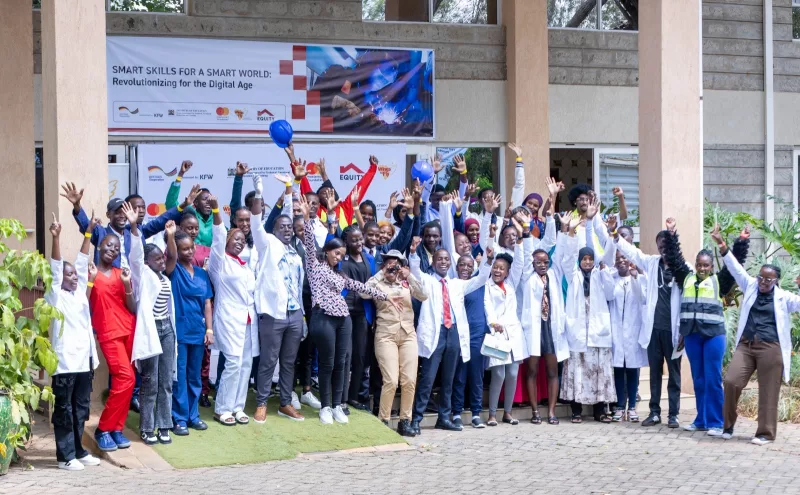
Earlier in September, Nana was among the group that visited media personality Natalie Githinji during her recovery. Kapitani and Toxic were also part of the group.
Nana described the younger people around her as “incredible male allies and talented Gen Zs”, highlighting the bond that had developed between them.
She also singled out Kapitani for helping keep Natalie smiling during the visit, while noting Toxic's determination to see her.
The interactions suggest that Nana's connection with the two artists extends beyond simply knowing their music.
Why Kapitani and Toxic?
Both rappers have been building visibility within Kenya's current hip-hop scene.
Kapitani recently reached the top of Kenya's YouTube trending music chart with Safe, a song that explores his childhood, the loss of his parents and growing up as an orphan.
His collaboration with Toxic Lyrikali and Mauru Gwash, Hongo Ya Karao Vol. II, was also among Kenya's top trending songs on September 26.
Toxic, meanwhile, was named by Spotify among its artists to watch in 2026. Spotify data cited by KBC showed a 1,493 per cent year-on-year growth for the rapper, reflecting the rapid expansion of his audience.
Is Nana becoming more involved in music?
Nana's public support has naturally raised questions about whether she is moving towards a more formal role in artist development.
At this stage, however, there is no public confirmation that she has signed, manages or represents either Kapitani or Toxic Lyrikali.
Her recent posts instead show a personal relationship in which she is encouraging younger artists and giving them visibility.
For Nana, the next question may be whether that support remains personal or develops into something more structured.
For now, she calls them her “little brothers”. What comes next will show whether the relationship develops into a wider role in Kenya's music industry.