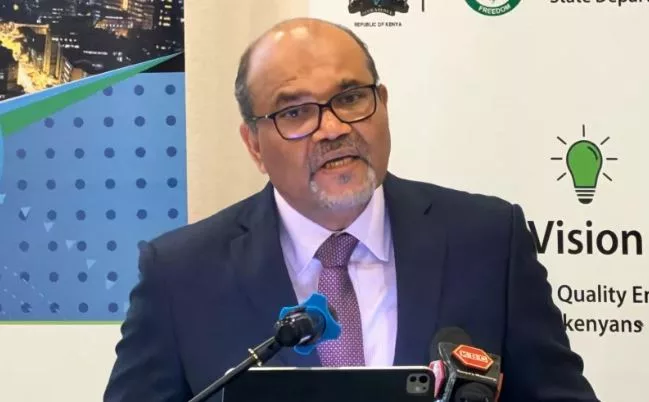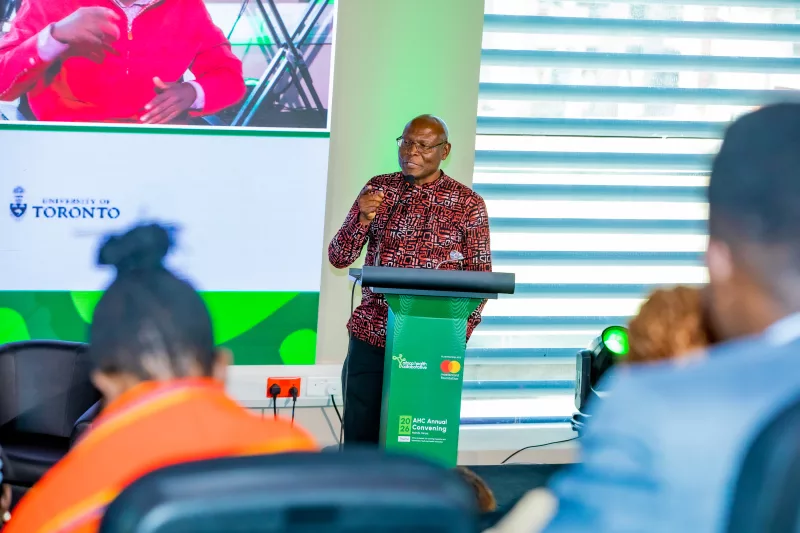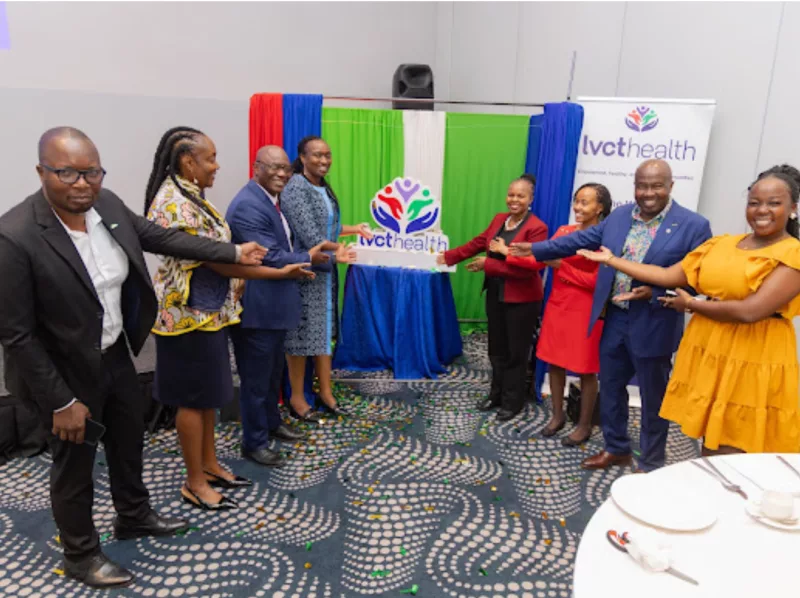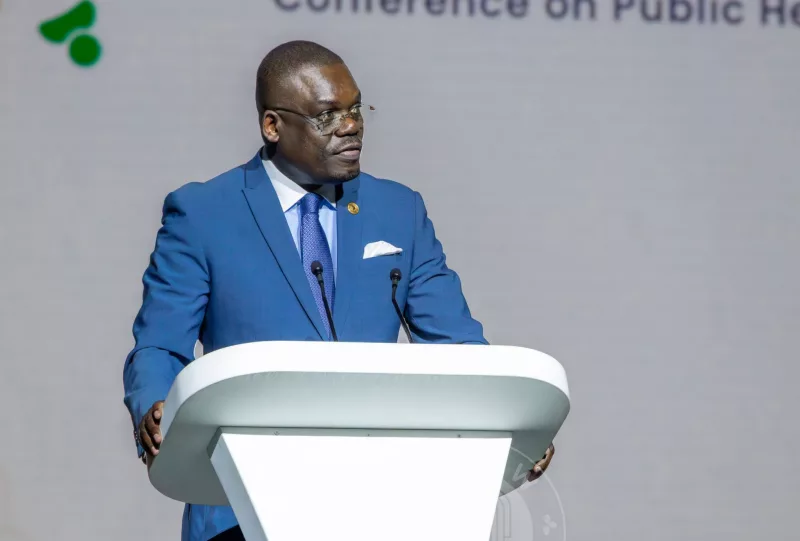
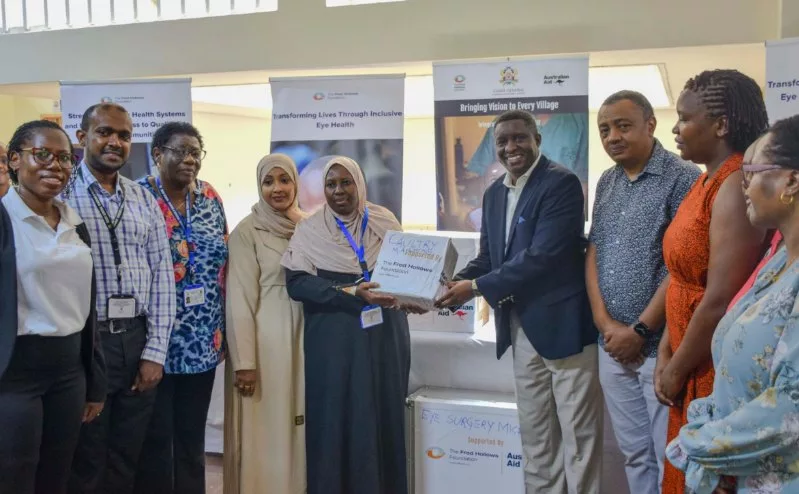
 Stakeholders at the launch in Mombasa.
Thousands of Kenyans along the Coast could get easier access to eye screening and treatment through a new programme focused on early detection, referrals, and follow-up care.
The initiative comes as Kenya faces a large unmet need for eye-health services, with about 30 per cent of the population estimated to require care to prevent or manage vision loss, according to the Ministry of Health.
Kenya has made progress in reducing blindness, with its prevalence falling from 0.7 per cent in 1990 to 0.37 per cent in 2023.
However, the Ministry says major gaps remain in access to cataract surgery, treatment of refractive errors, specialist eye-health workers and early diagnosis of chronic eye diseases.
Cataracts remain a major cause of blindness in the country, while an estimated 9.6 million Kenyans live with refractive errors. Ministry officials said in June that effective cataract surgical coverage was about 27 per cent and refractive-error coverage about seven per cent.
It is against this background that a new Coast Region Eye Health Programme has been launched in Mombasa County to expand screening, referral, treatment and follow-up services in communities and schools.
The programme will seek to bring specialised eye care closer to people who may face difficulties travelling to referral hospitals. It will also strengthen links between community-level screening and facilities where patients can receive further assessment and treatment.
The Fred Hollows Foundation and CBM are implementing the programme in partnership with the Ministry of Health and county health authorities.
Speaking during the launch, Fred Hollows Foundation Kenya Country Director Peter Milo said stronger partnerships with counties and communities would be important in reducing avoidable blindness.
“Together, we can ensure more people have access to quality eye care services by 2030. Every dollar invested in eye health delivers significant economic and social returns, and we are committed to partnering with counties and communities to end avoidable blindness,” Milo said.
Coast Regional Eye Health Coordinator Dr Raila Athman said community awareness would be as important as access to services.
“One of the most important lessons we have learnt is that we cannot do this alone. Even the best service has little value if the people who need it do not know about it or cannot reach it,” Dr Raila said.
The programme will also use digital technology to support screening and referrals. Community Health Promoters will be able to use smartphones and tools such as Peek Vision to screen people, record their details, refer those requiring further care and send appointment reminders by SMS.
The approach is intended to detect eye problems before they result in permanent vision loss and to improve follow-up after referral.
Director of Curative and Nursing Services Dr Andrew Toro said the programme would support the integration of eye care into primary healthcare, schools and communities.
“Early detection is one of the most powerful tools we have to reduce lifelong disability, and we must move away from fragmented service delivery and embrace integrated care,” Toro said.
As part of the initiative, the Fred Hollows Foundation handed over eye-care equipment and consumables worth Sh10.1 million to the eye department at Coast General Teaching and Referral Hospital.
The Ministry of Health said it has also equipped and digitised 107,831 Community Health Promoters to support health education, early detection and referrals at household level.
The programme is intended to support Kenya’s Universal Health Coverage goals and the National Eye Health Strategic Plan by strengthening the eye-health workforce, infrastructure and referral systems.
Kenya’s approach is also in line with WHO’s push for integrated, people-centred eye care, which places greater emphasis on bringing basic eye services into primary healthcare and communities rather than relying only on specialist hospitals.
The initiative builds on wider efforts by eye-health partners in Kenya. A CBM-supported programme, for example, reported screening 2.8 million people across seven counties and providing more than 134,000 pairs of spectacles and 6,600 cataract surgeries during its four-year implementation period.
CBM Director for Inclusive Health Dr Babar Qureshi, was the chief guest at the Mombasa launch. Representatives from the Ministry of Education, National Council for Persons with Disabilities, Kenya Institute of Special Education, Council of Governors, county governments, development partners and healthcare workers also attended.