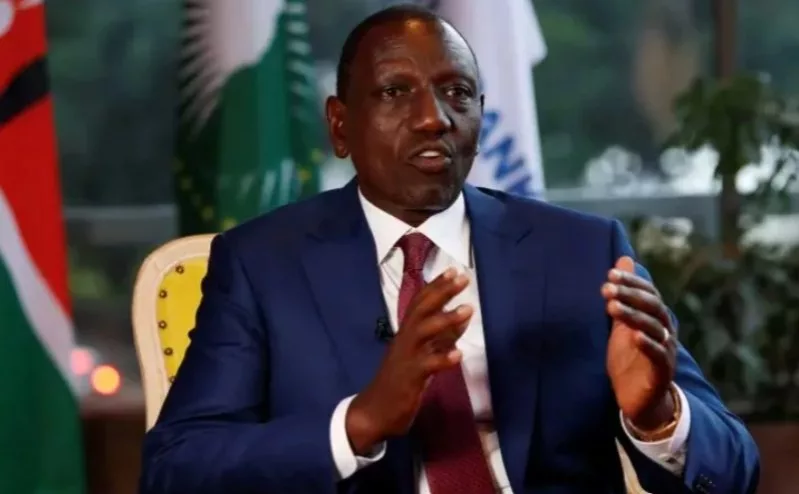
 President William Ruto /HANDOUT
Kenya is set to lead the first national implementation of Masterkey, a digital platform designed to make qualifications, skills and work experience easier to verify and share across African borders.
This is expected to open new pathways for workers seeking employment in an increasingly interconnected labour market.
The platform was unveiled on Monday in New York during a high-level Accra Reset convening held on the margins of the 81st United Nations General Assembly.
President William Ruto is championing the Kenyan implementation, with the first application planned as a skills and work wallet accessible through eCitizen, with core access and sharing free to citizens.
Masterkey is intended to allow training institutions and employers to issue verifiable digital records that workers can hold and selectively share with prospective employers, recruitment platforms and institutions.
This means qualifications earned in Kenya, work experience gained abroad or references from overseas clients can become part of a portable career record.
“Talent should be portable. Skills should be trusted, and opportunity should cross borders,’’ Ruto said.
“A qualification or work record issued in Nairobi should be verified in Accra, Kigali and ultimately wherever opportunity exists.”
The initiative, which is part of Accra Reset, is not intended to replace employers or professional regulators.
The initiative comes as African countries seek to turn their youthful populations and growing digital economies into greater employment opportunities.
According to Accra Reset, the first phase targets 150,000 placements across Ghana, Rwanda and Kenya, with women expected to account for 70 per cent of placements.
The skills initiative is unfolding alongside a wider push by the Accra Reset to reshape how Africa and other Global South countries finance and manage healthcare.
A new High-Level Panel report, “A Sovereign Future for Health,” warns that the Covid-19 pandemic, high debt and fiscal pressures amid declining development assistance.
The report says external health financing to Africa contracted by nearly 70 per cent between 2021 and 2025, putting pressure on countries that have historically depended heavily on donor support.
It cites Nigeria's decision to add $200 million to its health budget and plans to absorb 28,000 health workers previously paid through USAID funding.
The warning comes after the Trump administration's withdrawal and restructuring of US foreign assistance, including the dismantling of USAID programmes.
According to the report, the disruption has affected HIV, maternal health, malaria and nutrition programmes, with South Africa among countries experiencing major consequences.
The Accra Reset report argues that the problem goes beyond the latest US cuts.
It says the financing model that supported global health for much of the past 25 years is no longer sustainable and calls for countries to build stronger domestic financing systems while retaining international support for emergencies, fragile settings and genuinely global public goods.
The panel proposes 10 reforms, including a single country health compact, greater domestic financing, stronger regional institutions, increased local manufacturing of medical products and pooled procurement to give African countries greater bargaining power.
It also notes that global health has made significant gains: the universal health coverage service index rose from 54 in 2000 to 71 in 2023, while under-five mortality has fallen by more than half.
“The report warns that preserving those gains will require a shift from aid-centred cooperation towards stronger national and regional capacity.”