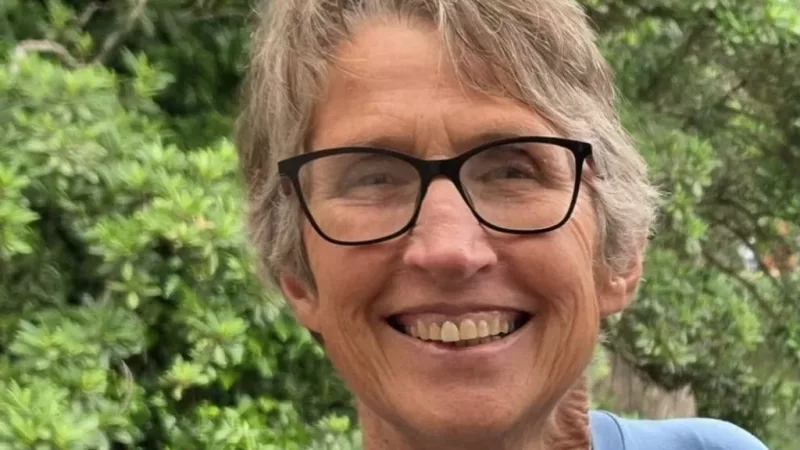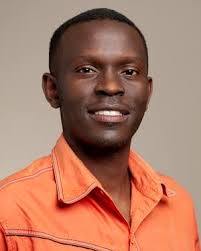
 Dr Andrew Mulwa speaks at a side event in New York. Photo/Courtesy
Kenya has moved HIV care out of its traditional stand-alone programme and into the wider health system as the country seeks to absorb deep cuts in donor funding specifically for the disease.
Speaking at the United Nations in New York Dr Andrew Mulwa said integrating HIV services into primary healthcare, maternal and child health and universal health coverage was now critical to protecting the gains Kenya has made against the disease.
Mulwa, head of the National Aids and STI Control Programme (Nascop), addressed a high-level global forum on paediatric HIV on the sidelines of the UN General Assembly.
His comment comes even as international funding for HIV-Aids has fallen sharply. Unaids says international resources for HIV dropped by 18 per cent last year, from $8.8 billion to $7.3 billion. Global development assistance from multiple donor countries fell by 23 per cent, the sharpest drop on record.
Kenya has also been hit by the funding squeeze. The HIV portion of the country's latest Global Fund allocation has been cut by 18 per cent as the fund moves countries away from dependence and towards greater domestic financing of their health programmes.
Mulwa said Kenya could no longer depend on the old model in which HIV services operated largely as a separate part of the health system.
“Kenya's health system is undergoing a rapid transformation. I keep saying the HIV subsector has been the leader of transformation,” Mulwa said.
He said Kenya is moving to a national universal health coverage plan based on robust primary care financed by the government through the primary healthcare fund.
A community health network is also being established with local health promoters, 107,000 of them paid and equipped by the government.
HIV services have benefited for years from a strong community network, including peer educators and other workers who helped people access prevention, testing and treatment.
Mulwa, however, said the HIV programme had remained too separate from the rest of the health system.
“So the HIV subsector is now playing catch-up, because we were left vertical, siloed, and the magic word is now integrating the HIV response into the national health system.”
The shift is particularly important for children, who continue to have lower access to HIV treatment than adults globally.
Unaids says almost half of all children living with HIV did not have access to antiretroviral treatment in 2025. Globally, 1.2 million people acquired HIV last year and 570,000 people died from Aids-related illnesses.
At the forum on paediatric HIV, Mulwa highlighted Kenya's progress in preventing mother-to-child transmission, early diagnosis of HIV in babies and expanding treatment among children and adolescents.
He said the challenge is to maintain that progress despite reduced global health financing.
“That's the critical question we need to ask ourselves as we look to the future. How do we maintain our past momentum in terms of countries adopting new global guidelines and policies that come out?” he asked.
“For the space of pediatric HIV, the failure of our pediatric reform is the failure of adults.”
Kenya has made major progress against HIV. The latest national figures show that 91 per cent of people living with HIV were receiving treatment in 2025, while 87 per cent had achieved viral suppression. Prevention of mother-to-child transmission coverage had also reached 91 per cent.
The country now faces the challenge of protecting these gains while reducing dependence on external funding.
Unaids says domestic sources provided about 60 per cent of HIV funding in low- and middle-income countries in 2025, with domestic funding rising by four per cent during the year. More than 55 countries have reported plans to increase domestic HIV budgets.
The funding changes are already affecting HIV prevention and community services in many countries. Unaids says HIV testing programmes in high-burden settings fell by 22 per cent between 2024 and 2025, while some countries have reported cuts of more than 90 per cent in funding condoms.
For Kenya, integrating HIV care into the wider health system is therefore becoming a key part of the response.
The aim is to ensure that people living with HIV can continue receiving treatment through ordinary health services while retaining the skills, community links and specialised care that helped build Kenya's HIV response.
The approach also seeks to ensure that children and adolescents are not left behind as the country takes on a larger share of the cost of fighting HIV.