Dozens of black employees at Tesla’s flagship factory in California were subjected to racial slurs, unequal pay, limited promotion opportunities and bullying by supervisors, according to allegations aired as the state opened its case against the electric vehicle manufacturer.
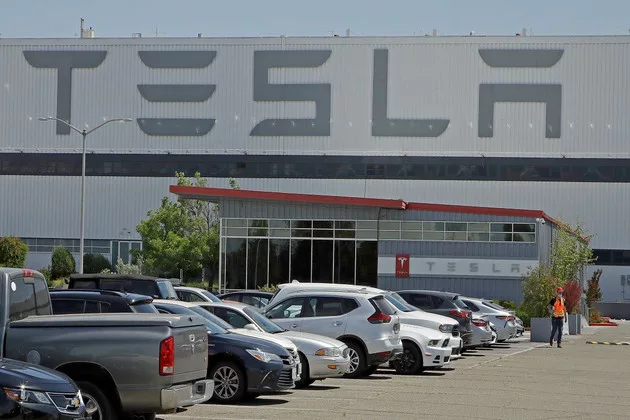
The claims are at the centre of a lawsuit filed by California's Civil Rights Department against Tesla, with the case going to trial on Monday before Judge Peter Borkon.
In opening statements, Brett Watson, a lawyer representing the state, presented photographs allegedly showing racist graffiti at Tesla's Fremont factory.
The images included racial slurs, references to the Ku Klux Klan, swastikas, the Confederate flag, a white supremacist symbol and messages telling black workers to “go back to Africa”. The markings were allegedly found in bathrooms, lockers, workplace benches and lunch areas.
Watson also outlined accounts from workers who said they were subjected to racial abuse while at work.
In one alleged incident, a black employee said he was asked whether he wanted to “hang from a tree”.
“Despite what Tesla might argue, you will hear black workers were deeply offended,” Watson told the court, arguing that the allegations represented a widespread problem rather than isolated incidents.
“These experiences cannot be dismissed as a few bad apples,” he said, adding that hundreds of complaints made to Tesla and the state would demonstrate that the experiences were not isolated.
According to the state's case, black employees at the Fremont plant experienced what Watson described as “rampant racism” that was allowed to continue for years.
Workers allegedly referred to the factory using terms including “the plantation” and other derogatory descriptions because of their experiences there.
One Black employee told state lawyers that he heard racial slurs as many as 50 to 100 times a day.
The lawsuit, filed in February 2022, alleges that Tesla violated California's Fair Employment and Housing Act by failing to address racial discrimination at the plant.
The state alleges that Black employees were paid less, promoted less frequently and terminated more often than their white counterparts, and that the factory was effectively racially segregated.
California is seeking financial damages as well as court orders requiring Tesla to change its employment practices and internal policies.
The case is being heard without a jury, with Judge Borkon expected to deliver the final ruling. The trial is expected to continue until the end of October.
The lawsuit is the first case brought against Tesla by a government agency on behalf of workers to reach trial. Legal experts say the outcome could have significant implications for the company because the state is not bound by arbitration agreements that have affected individual employee lawsuits.
Tesla has denied wrongdoing and described the lawsuit as “misguided”.
The company said it had consistently disciplined or dismissed employees who engaged in misconduct, including those accused of using racial slurs or harassing colleagues.
Tesla also defended its workforce, saying the Fremont factory has a majority-minority workforce and provides highly paid automotive jobs to tens of thousands of Californians.
Tesla's lead lawyer, Tyree Jones, rejected the state's characterisation of the company and argued that the state was unfairly holding Tesla responsible for misconduct by individual employees.
Jones also challenged the interpretation of certain language allegedly used by workers, arguing that some expressions involving a racial slur were used among Black people as a form of greeting rather than as racial abuse.
“The state is blaming the employer, when it's the victim,” Jones told the court while referring to the racist graffiti found around the factory.
The state then called three former black Tesla employees as its first witnesses.
One former employee, who worked for Tesla from 2021 to 2024, told the court that he was repeatedly bullied because he was black. He alleged that another employee used a racial slur against him and that Tesla subsequently disciplined him rather than the person accused of using the slur.
Another witness, a former senior security manager who worked at Tesla for six years, said he regularly worked with human resources on discrimination complaints and personally witnessed black employees being treated differently from workers of other races.
He also alleged that Tesla chief executive Elon Musk became involved in one incident involving white employees who were caught drinking alcohol at the workplace, directing management to override company policy and allow them to keep their jobs.