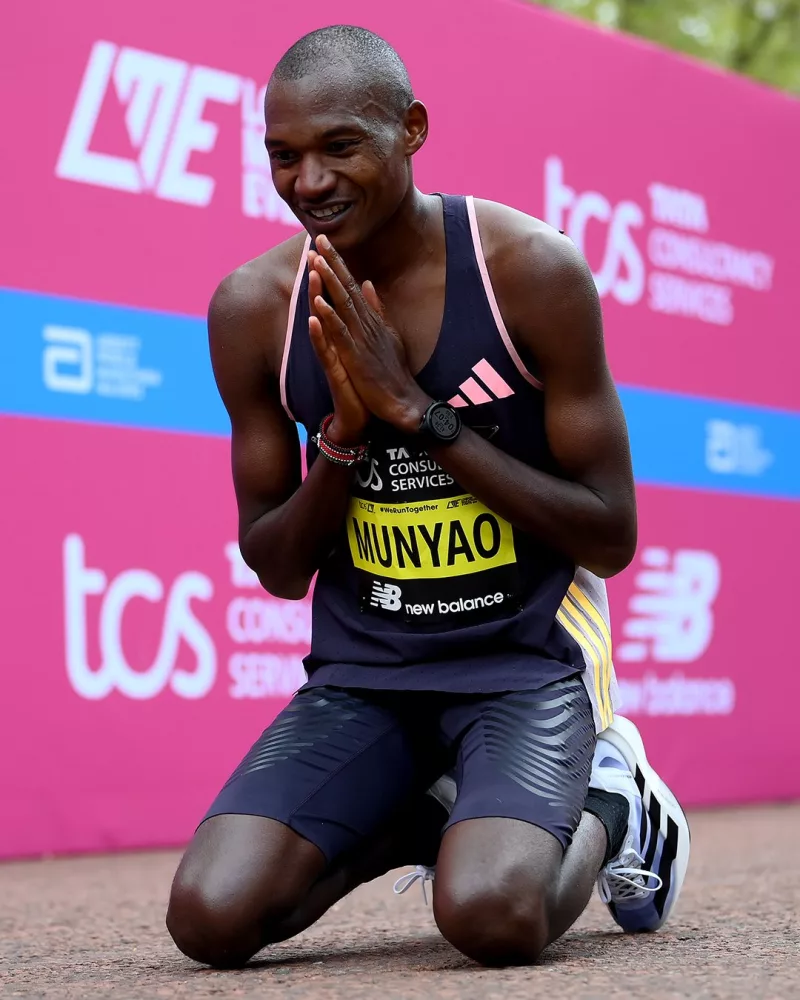
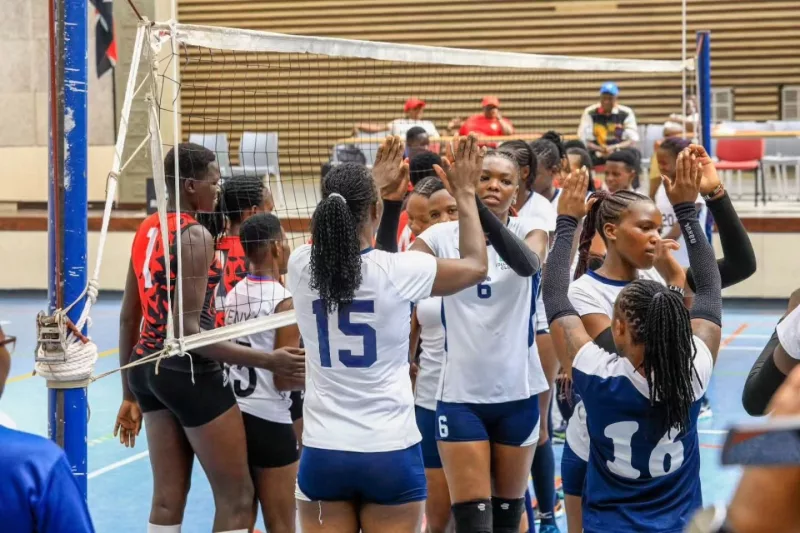
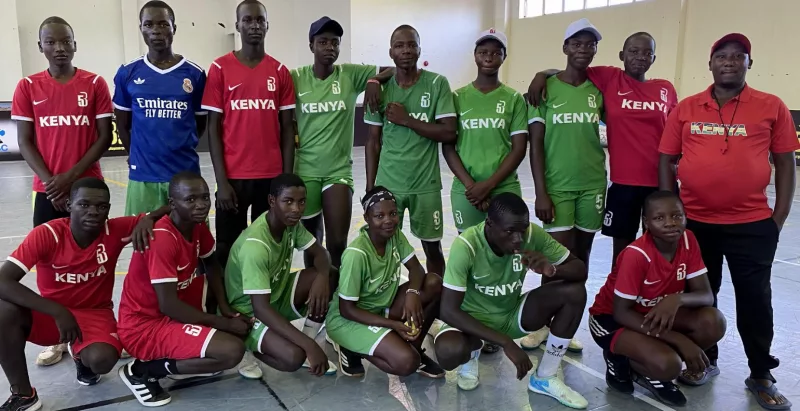
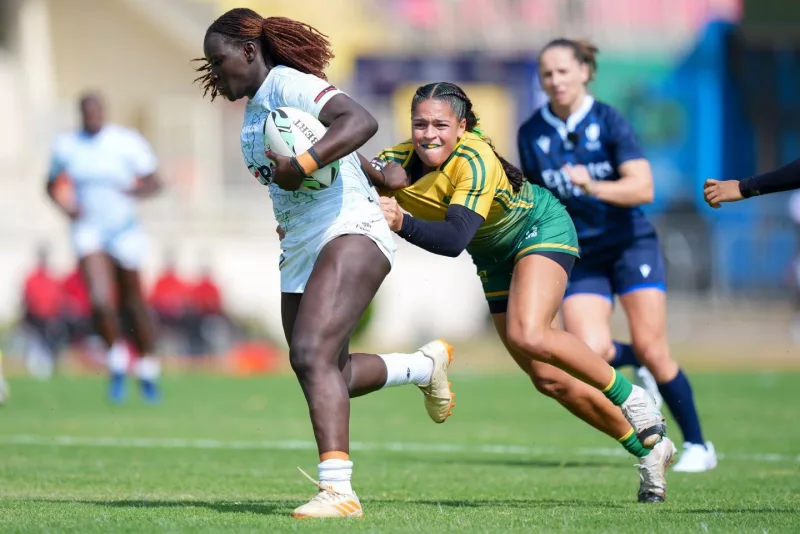
Athletes compete during the Term 1 secondary school games/FILE
The world of sport is changing fast, and knowledge-sharing is one way to keep pace. I attended the SportsBiz Africa Forum in Kigali as a Communication and Sports Marketing Consultant, where data, AI and the future of sport in a rapidly changing landscape featured prominently.
Advertisement
Advertisement
The discussions crystallised something I have been thinking about for some time: the biggest shift happening in global sport is not a new league or investor. It is data, and what it is about to do to the value of everything we sell.
For decades, sports business has been built around sponsorship. A company sponsors a club, athlete, marathon or federation in return for branding, visibility, media exposure and association with the sport.
The conversation has traditionally been straightforward: How many people attended? How many hours were on television? How many logo appearances were recorded? How many impressions were generated?
These metrics still matter, but they are no longer enough.
Sports rights are increasingly being viewed as investment assets rather than simply marketing opportunities. A sponsor buys a marketing outcome. An investor buys an economic opportunity – ownership in a team or league, a share of media revenue, a rights package or an athlete's intellectual property.
Advertisement
Advertisement
Private equity firms, family offices and sovereign wealth funds are moving into sport. Firms such as Arctos have built portfolios across major US sports, while Asia-Pacific sports M&A reportedly reached $3.69 billion by July 2026, 12 times the previous year's figure.
Sport is becoming an asset class. Which raises an obvious question: how do you value the asset?
That takes us straight to data.
Two competitions can each claim one million viewers and still have very different commercial value. One audience might be young, urban, affluent, use mobile money and travel frequently. The other might be older and have lower spending power.
The real asset is not simply audience size. It is audience quality.
Sponsors and investors increasingly want to know where audiences live, what they earn, what they buy, how they travel and whether exposure changes purchase intent.
That is the difference between media measurement and commercial intelligence. One tells you how many people watched. The other tells you what that audience is worth.
Nielsen, a global leader in audience measurement, data and analytics, has moved in this direction by combining exposure data with demographics, brand health and sales impact. One study of 100 sponsorships found an average 10 per cent lift in purchase intent among exposed fans.
The Australian Football League also uses consumer research on fan behaviour to build more targeted partnership deals.
The lesson is clear: data is no longer just reporting sponsorship value. It is helping discover new value.
Africa has extraordinary sports stories. Kenyan distance running, Nigerian football culture, South Africa's sophisticated market, Rwanda's positioning around cycling and major events, and Morocco's tourism-football strategy all demonstrate the continent's potential.
Yet African sports properties remain significantly under-monetised, not because they lack audiences, but because they often lack commercially structured information about those audiences.
A Kenyan athletics event with 20 million views sounds impressive. It becomes a far stronger proposition if the rights holder can show that five million viewers are aged 18–34, two million are frequent travellers, 800,000 are likely sportswear buyers and 40 per cent of the audience is outside Kenya.
That is the difference between selling impressions and selling access to a defined consumer segment.
NBA Africa illustrates what this can look like. It is not simply selling basketball games but building an ecosystem around media, partnerships, grassroots programmes and retail.
In 2023/24, more than 140 live telecasts drove a 41 per cent year-on-year rise in viewership and nearly six million watch hours. Local social media accounts generated almost 90 million video views, while NBA Store sales in South Africa rose by almost 150 per cent.
Its 2021 strategic investment round, led by Tunde Folawiyo and Helios Fairfax Partners, also shows investors backing the ecosystem around the audience rather than simply a sponsorship line.
Imagine a Kenyan Sports Audience Index combining media, demographic, behavioural, fan, engagement, commercial, geographic and economic data across football, athletics, rugby, basketball, golf and motorsport.
For athletics, such an index could identify running tourists, marathon participants, sportswear consumers and destination travellers. That could turn a marathon from a broadcast asset into a tourism and investment asset.
This is where sport and tourism converge, a thread that ran through more than one session in Kigali.
The same logic applies to football. Knowing which banks, telecoms companies and products a weekly viewer actually uses could transform a league's commercial pitch from perimeter boards and logo exposure to access to defined consumer communities.
It applies to individual athletes, too. A smaller, more affluent and highly engaged following can be commercially valuable because brands can understand exactly who they are reaching.
Sponsorship is not disappearing. It is becoming more investment-like, as chief financial officers increasingly demand evidence rather than simply awareness.
Deloitte's work on sports partnerships makes a similar point: brands need data on outcomes, not generic reach.
Africa does not have a shortage of sports audiences. It has a shortage of proof about who those audiences are.
That is a valuation gap as much as a data gap, and it helps explain why African sports properties can be undervalued even when the audience is genuinely there.
The next generation of sports commercialisation in Kenya and across the continent must be built on a simple principle: do not just measure how many people watch. Measure who they are, what they do, what they are worth and what economic value their attention can create.
The most valuable sports rights may not be those with the largest audiences, but those whose owners understand their audiences best.

 Athletes compete during the Term 1 secondary school games/FILE