A growing trust deficit between governments, institutions, businesses and citizens is emerging as a threat to trade, investment and job creation across Kenya and the wider African region, experts now say.
This, as Nairobi readies to host the Global Trust Summit scheduled for October 21–23, with the forum expected to examine how weak confidence in government, institutions and international agreements affects economic cooperation.
A study by Edelman Trust Barometer, a globally deployed online survey measuring public trust in four core societal institutions: business, government, media, and NGO, indicates that in Kenya, 72 per cer cent to 76 per cent of citizens trust the private sector (business).
Only 38 per cent to 47 per cent trust the government.
This is mainly as a result of rampant corruption and misuse of funds, [M1] economic strain and cost of living, broken promises and disconnection, politicisation of public institutions and concerns over the rule of law and security.
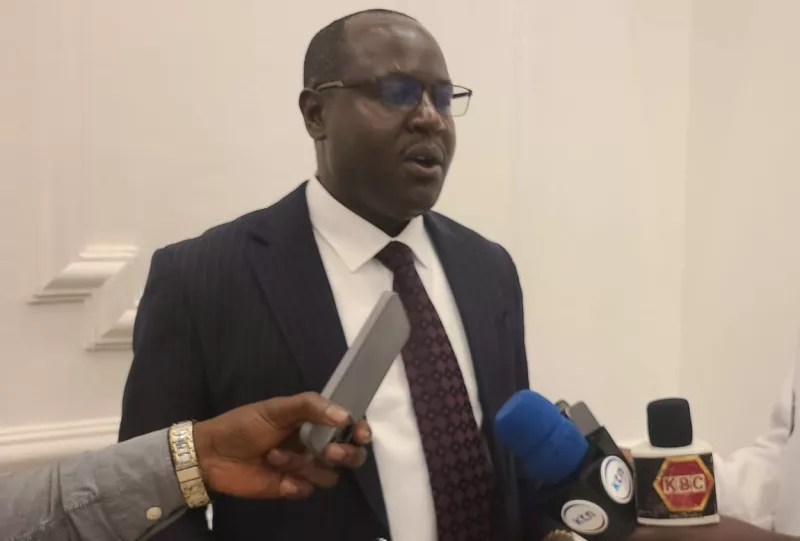
Speaking during a briefing in Nairobi ahead of the Summit, Kenya’s Foreign Affairs Principal Secretary Korir Sing’oei said the challenge was not a shortage of agreements but the gap between commitments and implementation.
“The shortfall is rarely a shortage of agreements. Africa and its partners have signed no small number of those. The shortfall is the distance between what gets signed and what actually gets delivered,” he said.
For businesses, that gap can translate into higher costs, delays at borders and uncertainty over market access, making it harder for companies to commit capital and expand operations.
Sing’oei cited the African Continental Free Trade Area (AfCFTA) as evidence that implementation can deliver results.
He pointed to Kenya's first shipment under the AfCFTA Guided Trade Initiative in October 2022, when car batteries and tea were shipped from Nairobi to Accra.
He said the shipment demonstrated that political agreements only become meaningful when customs officials, tariff schedules and documentation systems work together.
“That battery shipment I mentioned didn't move itself across a border. It moved because customs officers on both ends had actually been trained on the new rules, because a tariff schedule had been filed and verified rather than simply announced,” Sing’oei said.
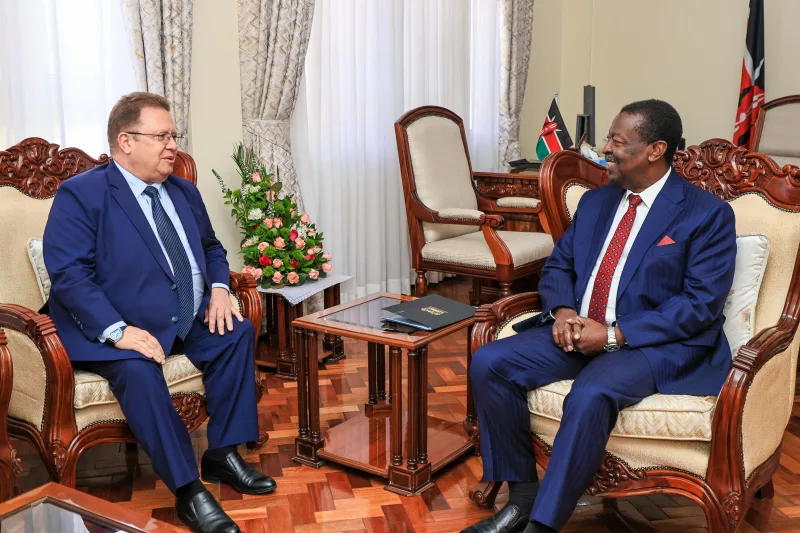
The economic stakes extend beyond trade. UNDP Resident Representative in Kenya Jean-Luc Stalon said citizens ultimately judge international cooperation by whether it produces tangible improvements in their lives.
“For citizens, the test is even more practical. Does international cooperation translate into better jobs, livelihoods, security and opportunity?” Stalon said.
He said development cooperation should help countries strengthen institutions, expand economic opportunities and translate international commitments into improvements in people's lives.
“Development is not separate from trust in multilateralism, it is one of its foundations,” Stalon said.
The trust challenge also affects regional integration with trade, financial architecture, health, climate and technology identified as areas where countries increasingly need to cooperate, despite growing geopolitical and economic fragmentation.
Oxfam International Africa Director, Fati N'Zi-Hassane, said trust is central to governance, social cohesion and economic progress.
“Trust is an important component to governance. It is an important component to social cohesion and democracy. And eventually, it is the cornerstone of social progress,” she said.
The summit organisers are seeking a longer-term framework to track commitments after the October meeting, including named owners and timelines.
Sing’oei said Kenya wanted the process to move beyond declarations and towards measurable implementation.