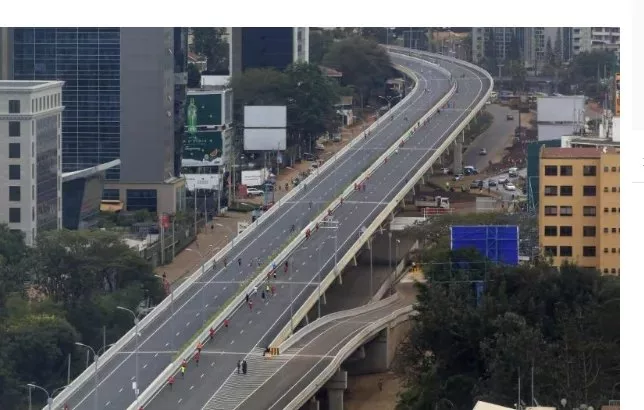
The sector has formed a consortium, Pack Hunters Investment, to mobilise private capital for projects nationwide.
It brings together pension funds, fund managers, stockbrokers, investment banks, insurers, custodians, regulators and other capital markets players.
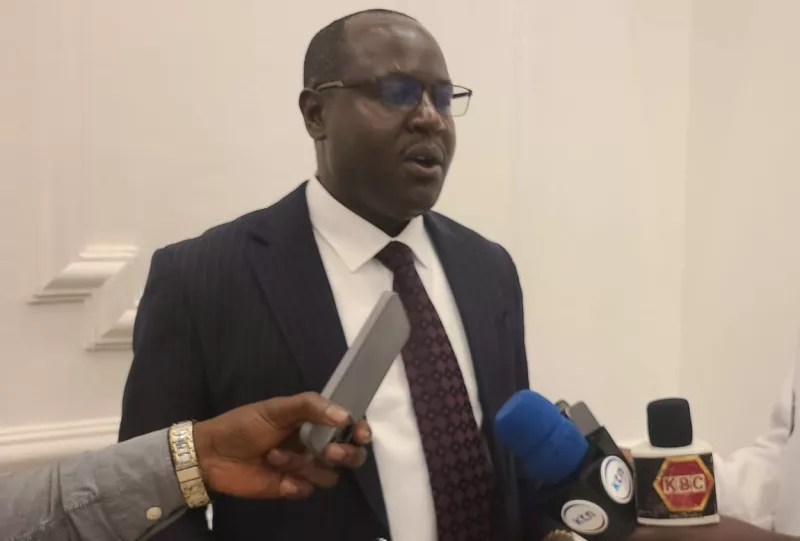
The convener, CPF boss Hosea Kili, told journalists that the Pack Hunters platform is intended to provide the financial expertise required to turn projects from proposals into investable assets.
“The opportunity before us is to bring together the expertise within our industry to identify and structure projects that are genuinely investable,” Kili said.
“Through the Pack Hunters Consortium, we can create the collaboration needed to move bankable projects from concept to financing and ultimately to implementation.”
The approach builds on earlier efforts by Treasury to unlock local institutional capital for public-private partnerships.
In 2025, a committee chaired by Kili recommended measures to mobilise long-term domestic capital for projects, including reviewing regulations and developing financing structures that can attract pension and insurance funds.
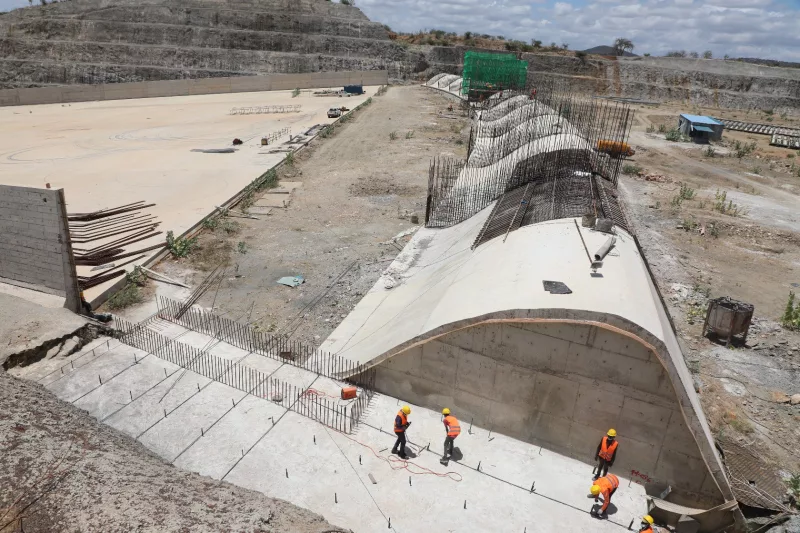
Pack Hunters is also not starting from scratch. The consortium has previously been associated with efforts to build local financing for the proposed Usahihi Nairobi-Mombasa Expressway, including a planned Sh129 billion local debt component.
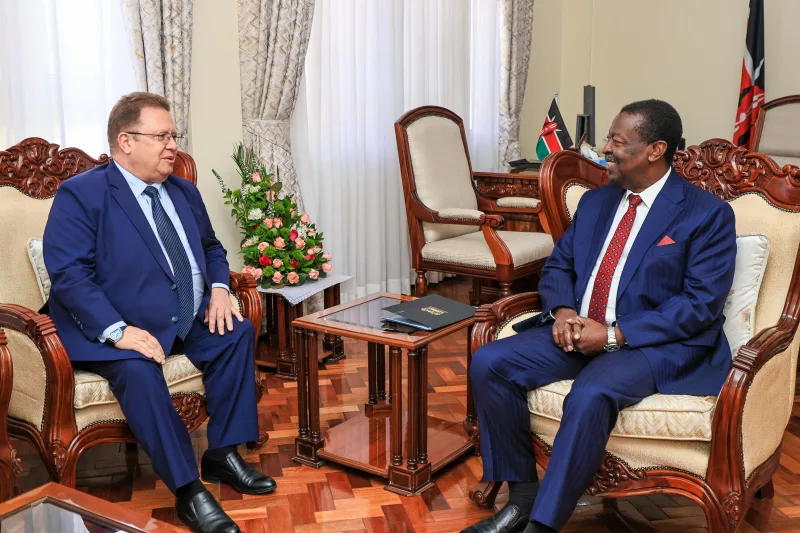
Mworia told the financial players that the private sector would be central to financing commercially viable infrastructure as the government seeks to reduce pressure on the Exchequer.
“The private sector has an opportunity to participate directly in the country’s national development agenda by mobilising and directing capital towards infrastructure projects that can deliver sustainable economic and social value,” Mworia said.
The NIF was established under the National Infrastructure Fund Act, 2026, with a mandate that includes mobilising private capital and other non-traditional sources of finance for national infrastructure.
The law covers projects including highways, railways, airports, ports, electricity, ICT, water, irrigation and agribusiness infrastructure.
Mworia has set a more immediate target of mobilising at least Sh400 billion annually for commercially viable projects, potentially taking a substantial portion of infrastructure spending off the national budget.
A key source of this capital is the pension industry, whose assets have now crossed the Sh3 trillion mark.
The Retirement Benefits Authority (RBA) says pension assets reached Sh3.167 trillion by June 2026, up 25.1 per cent from a year earlier.
According to Mworia, only 0.02 per cent of pension assets are currently invested in infrastructure debt instruments, compared with a regulatory ceiling of up to 10 per cent for infrastructure funds.
He argues that the challenge is therefore increasingly about creating investable projects and suitable vehicles rather than a shortage of domestic savings.
Mworia is also considering deeper use of the capital markets to raise money for the NIF.
He has vowed to make the fund a transparent investment vehicle and help address the asset-liability mismatch that has traditionally discouraged pension schemes from making direct infrastructure investments.
He has also floated a fund-of-funds approach, allowing investors to commit capital against predetermined investment criteria rather than negotiating individual projects one by one.
The NIF is expected to generate income from part of its seed capital, including investments in government securities, while using that income to support infrastructure investments and crowd in additional private money.