From the pitch to the stage
The relationship between sport and music is not new in Kenya. What is changing is the scale and consistency with which the two are being packaged together.
The 2026 National Sevens Circuit had six legs, taking rugby to venues in Nakuru, Kisumu, Nairobi, Mombasa and Embu before the Christie Sevens brought the season to an end.
Instead of waiting for fans to leave once the final whistle sounded, organisers have increasingly created reasons for them to stay.
For artists, sporting events offer access to audiences that may not necessarily attend a standalone concert. For sports organisers and sponsors, live performances can make an event more attractive to younger audiences and create additional opportunities for brand engagement.
A bigger role for Kenyan artists
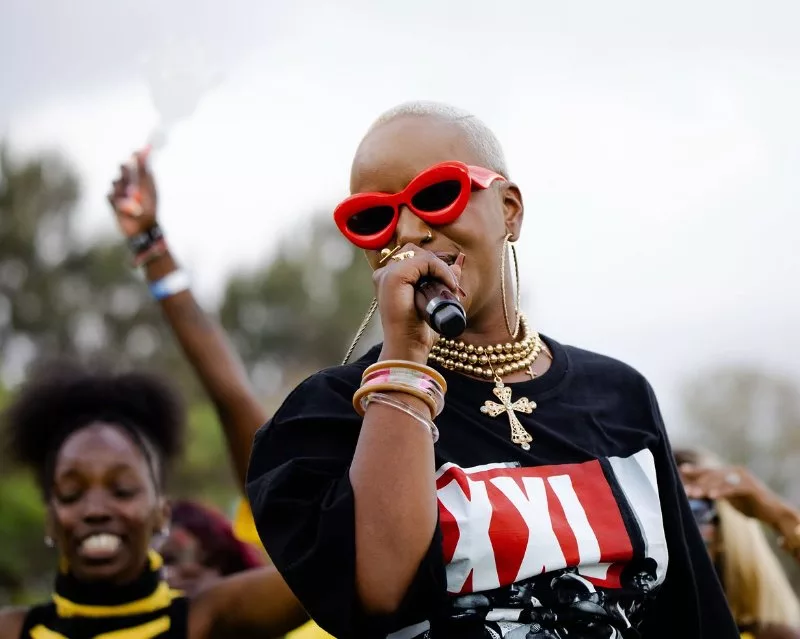
The choice of Khaligraph Jones, Femi One and Dyana Cods also reflects the growing use of Kenyan music to shape the atmosphere around major sporting occasions.
Khaligraph performed on Saturday, supported by DJs Schwaz, Ruffi and Sanif. Femi One and Dyana Cods then took over on Sunday, with DJs Nickdee, Pinto and Verah supporting the programme.
The arrangement gives artists visibility while allowing organisers to build a programme around the sporting action.
It also creates opportunities for musicians to perform outside the traditional concert circuit.
“For Kenyan artists, sports venues are becoming another important stage for reaching live audiences.”
Why the model matters
The combination can have commercial value beyond ticket sales.
A well-planned sports and entertainment programme can keep fans at venues for longer, increase food and beverage consumption and create more opportunities for sponsors to interact with audiences.
The model is also visible at international rugby events. Nairobi hosted an HSBC SVNS 2 tournament in February, showing the city's capacity to stage rugby alongside a wider entertainment experience.
The Christie Sevens itself has a long history. The 2026 edition marked its 60th anniversary, giving organisers an additional reason to turn the tournament into a celebration of rugby and culture.
The trend suggests that Kenya's sports events are becoming entertainment properties in their own right.
For musicians, that means another route to live audiences. For sports organisers, it offers a way to make competitions more engaging.
And for fans, the final whistle no longer necessarily means the end of the show.