Uganda has stepped up efforts to formalise its citizens living and working in Kenya, with government agencies urging nationals to obtain proper identification and documentation to enable them to access financial services, invest and operate businesses across borders.
The drive is being led through a joint outreach involving the Uganda High Commission in Nairobi, the National Social Security Fund (NSSF) Uganda and the National Identification and Registration Authority (NIRA), targeting Ugandans working, studying and doing business in Kenya.
The initiative comes amid heightened scrutiny of foreign nationals operating in Kenya, with Ugandan officials encouraging their citizens to regularise their status rather than operate outside formal systems.
Uganda’s National Identification and Registration Authority are in Nairobi to allow its citizens to obtain documentation without travelling back to Uganda.
NIRA acting registrar Claire Olama said possession of a Ugandan national identification number or identity card was increasingly critical for citizens seeking to access services, invest or conduct financial transactions.
She said Ugandans without a national identification number could face difficulties accessing services such as banking, social security and investment opportunities.
“Documentation provides the foundation for obtaining a passport or other travel documentation, which can then be used to process the permits required to legally work and conduct business in Kenya,” Olama said.
According to the Authority, more than 5,000 Ugandans had already accessed identification services through the High Commission in Nairobi, although the agency described the figure as low compared with the wider population it seeks to reach.
The identification process is also linked to access to travel documents and, subsequently, legal residency and work documentation in Kenya.
The formalisation drive therefore seeks to address two connected issues, ensuring that Uganda knows and can provide services to its citizens abroad, while enabling those citizens to comply with Kenya's immigration and business requirements.
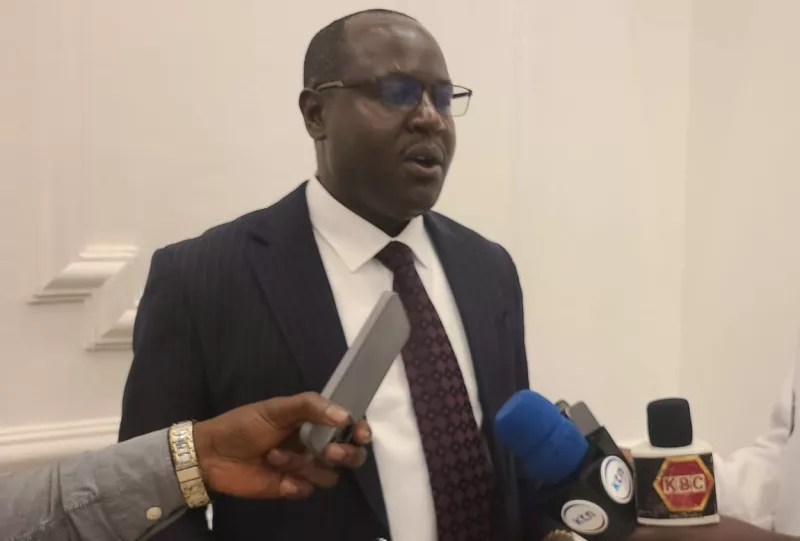
NSSF Uganda managing director Patrick Ayota said Ugandans working in Kenya should not be afraid of regularising their stay and business activities.
“If you need to get a licence to operate, please do. Why are you hiding underground?” Ayota said.
The push for formalisation has an economic dimension, with Ugandan authorities seeking to ensure that citizens living abroad remain connected to the country's financial and investment systems while also complying with regulations in their host country.
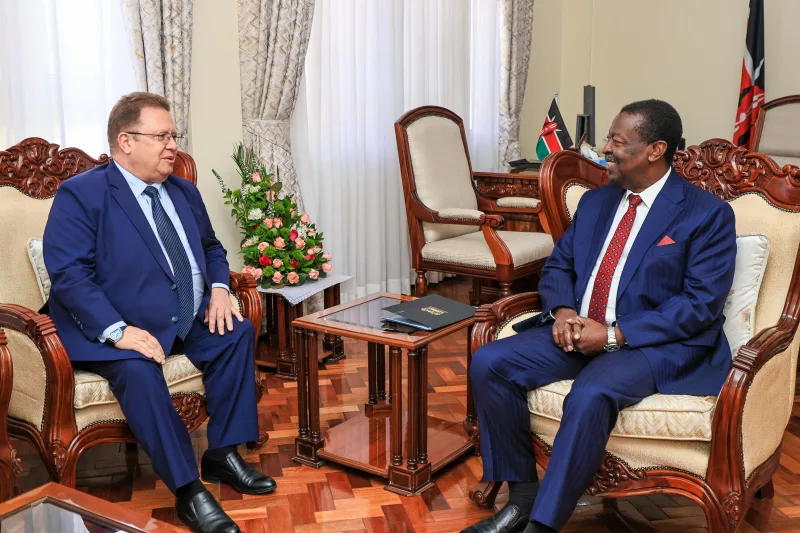
Acting Uganda High Commissioner to Kenya Eunice Kigenyi said the exercise had separate engagements for employed Ugandans and students, with students receiving career guidance and information on savings and future opportunities.
“The purpose of this engagement is to introduce the Ugandan diaspora in Kenya to the investment products and opportunities offered by the National Social Security Fund. We have organised two sessions—one for employed Ugandans and another for students,” said Kigenyi
The push comes as economic ties between Kenya and Uganda continue to generate movement of workers, students, traders and investors between the two countries.