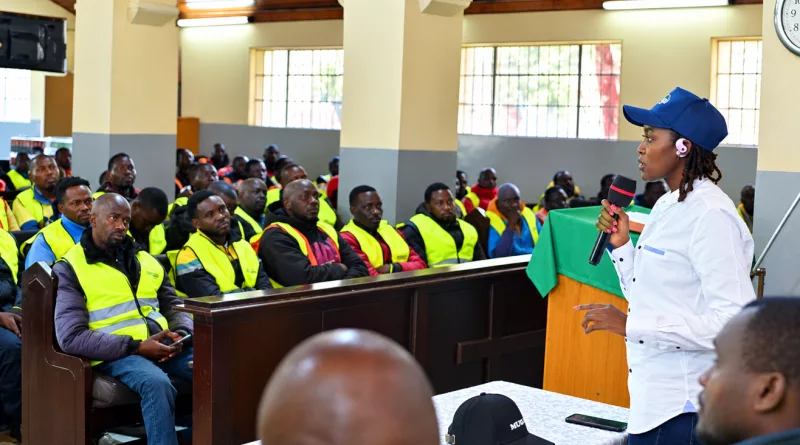
MORE than 500 boda boda riders in Uasin Gishu County have received financial literacy training as lenders and industry players seek to reduce loan defaults and motorcycle repossessions in the fast-growing motorcycle transport sector.
The training, organised by Mogo Kenya in partnership with the Boda Boda Association of Kenya (BAK), focused on helping riders better manage their income, understand the full cost of asset financing and keep up with loan repayments.
The riders were taken through budgeting and cash-flow management, understanding loan agreements before signing and the steps they can take when they fall behind on repayments.
The training also encouraged riders to engage their financiers early rather than wait until missed payments lead to recovery action.
The initiative comes as motorcycle financing remains a major source of credit for riders across Kenya. Industry estimates indicate that of the about 2.4 million motorcycles in use in the country, 68.4 per cent are financed through digital and asset-based credit.
The high level of financing makes responsible borrowing and loan management critical for riders who depend on motorcycles as their main source of income.
According to the Central Bank of Kenya's Financial Sector Stability Report, the gross non-performing loan ratio in the banking sector stood at 15.6 per cent in March 2026, highlighting continued pressure on borrowers to meet their repayment obligations.
The boda boda sector is a major contributor to Kenya's economy, generating an estimated KES660 billion annually and supporting more than 2.5 million jobs.
It also contributes about 4.4 per cent of the country's GDP, according to industry estimates.
“Many riders take loans to acquire motorcycles without fully understanding the repayment obligations or what to do when their income is affected. When a payment is missed and the lender is not informed early, the situation can quickly escalate to repossession,” said Rebecca Ngigi, Head of Public Relations at Mogo Kenya.
Ngigi said Mogo was taking the training directly to riders because the motorcycle was not simply an asset but a source of daily income for many families.
“For a rider, losing a motorcycle can mean losing the ability to earn an income. We want riders to understand their loans, plan their cash flow and, importantly, speak to their financier early when they anticipate difficulties in making a payment,” she said.
BAK president Kevin Mubadi said loan defaults were among the challenges affecting the sustainability of the sector, particularly for riders who rely entirely on motorcycle income.
“Many of our members depend on their motorcycles every day to support their families. When a loan falls into arrears, the consequences can go beyond losing the motorcycle — it can disrupt an entire household's income,” he said.
Mubadi said partnerships with financiers could help riders build stronger financial management skills and understand the options available when they experience repayment difficulties.
The Eldoret training is part of a wider initiative by Mogo Kenya and BAK to promote responsible borrowing, improve financial literacy and reduce avoidable motorcycle repossessions among boda boda operators.
Mogo Kenya is a leading asset financing company expanding access to affordable and flexible credit for motorcycles, cars and other income-generating transport solutions.
The company enables individuals and small businesses to own productive assets, supporting thousands of Kenyans to build sustainable livelihoods through transparent, customer-focused financing.
It is part of Eleving Group, a global FinTech operating in 17 countries across three continents. Backed by this international network, Mogo Kenya has built a strong nationwide presence with more than 90 branches, over 1,700 employees and partnerships with more than 2,200 dealers.
The business has also diversified into smartphone financing and check-off loans, broadening access to essential digital tools and structured credit solutions.