Kenya and China are deepening cultural cooperation, with officials and designers highlighting fashion as a powerful tool for strengthening people-to-people ties and creating opportunities in the creative economy.
The call was made on Thursday during the opening of the China-Africa Costume Culture and Art Exhibition at the National Museums of Kenya in Nairobi.
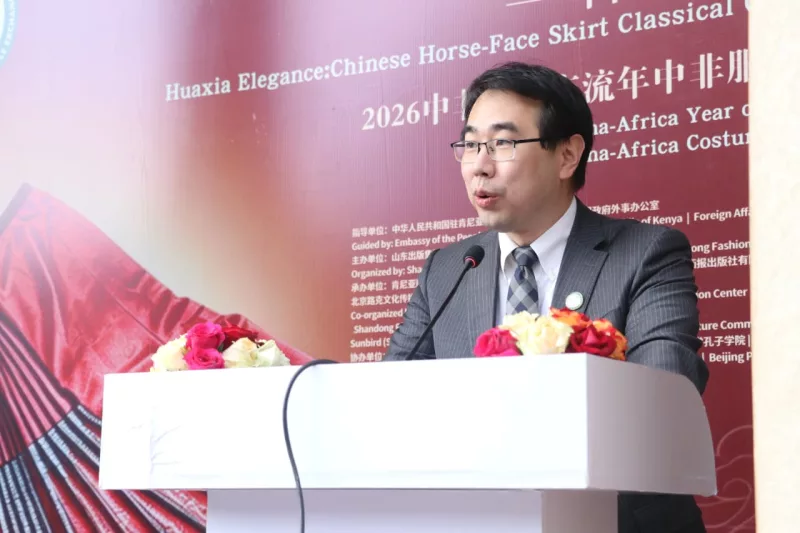
Chinese Chargé d’Affaires Zhang Zhizhong said the exhibition was a vivid expression of the 2026 China-Africa Year of People-to-People Exchanges.
“This year marks the 70th anniversary of the establishment of diplomatic relations between China and African countries,” Zhang said.
He said the exhibition was a practical example of the cultural exchanges being promoted by Beijing and Nairobi.
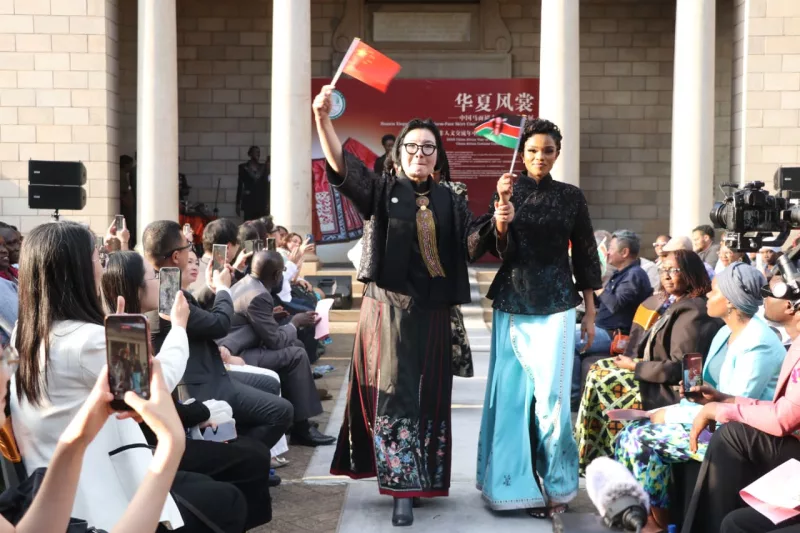
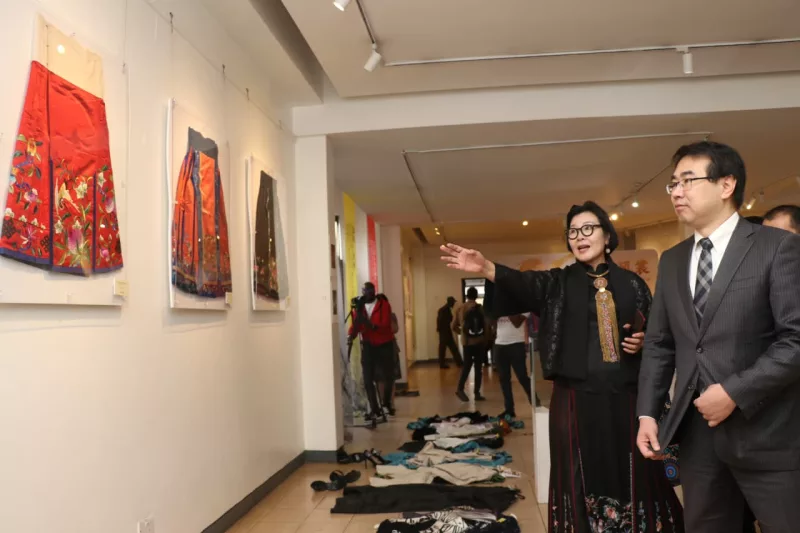
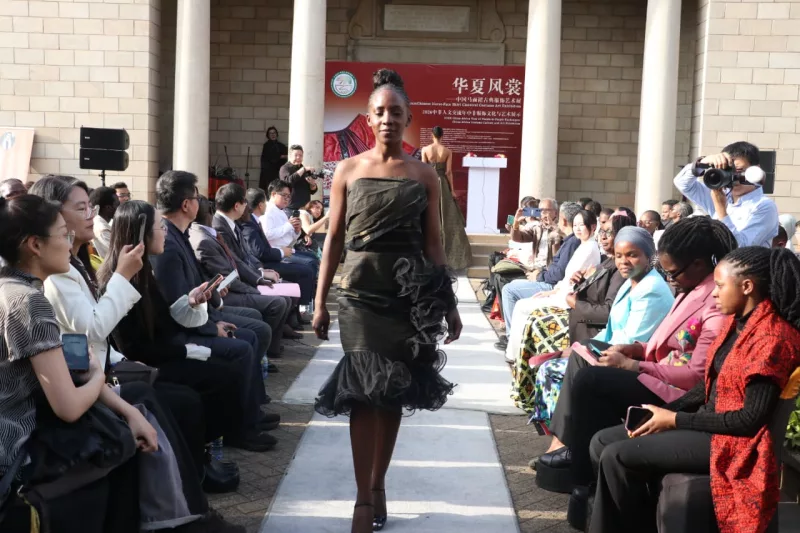
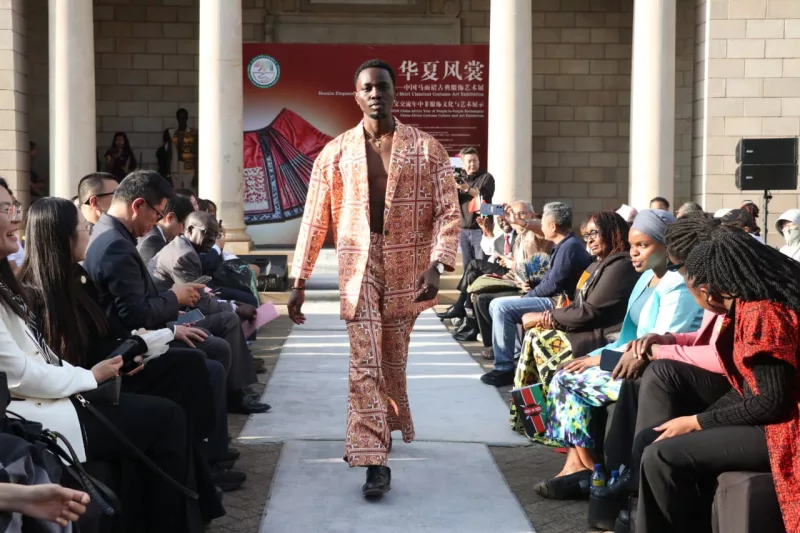
The exhibition features traditional Chinese costumes, including the Mamianqun, or horse-face skirt, with some pieces dating back nearly 400 years. It also showcases contemporary designs by Kenyan and Chinese designers.
Zhang said Kenyan visitors would appreciate the craftsmanship and enduring vitality of Chinese intangible cultural heritage.
He said a fashion show would also showcase Mamianqun designs incorporating African wax prints.
“Culture provides the stage, while industry gives it lasting momentum,” Zhang said.
The event, held at the National Museums of Kenya, was co-organised by the Shandong Fashion Design Association and garment enterprises from Shandong.
Zhang said the partnership looked beyond the exhibition, with plans to provide vocational skills training for Kenyan women and create opportunities for employment and entrepreneurship.
Such cooperation, he said, could strengthen local skills, create sustainable livelihoods and inject new energy into Kenya’s industrialisation.
Zhang described Shandong as an important birthplace of Chinese civilisation, the cradle of Confucian culture, a major economic powerhouse and a key province for economic and trade cooperation with Africa.
He said China was ready to work with Kenya and other African countries to implement the outcomes of the FOCAC Beijing Summit and deepen cooperation in culture, tourism, women and the creative economy.
Gender Cabinet Secretary Hanna Cheptumo, in a statement read on her behalf by Director of Culture Kiprop Langat, said Africa-China relations were expanding beyond economic and development cooperation to include education, tourism, science, technology and cultural exchanges.
Cheptumo said traditional Chinese costumes and Kenya’s diverse forms of dress, including the kanga, Maasai blanket and sambut, were repositories of memory, knowledge and cultural identity.
She called for structured cooperation between the National Museums of Kenya and Chinese institutions through joint exhibitions, research, conservation and capacity building.
Cheptumo said digital technologies could also help document cultural heritage and make it accessible to young people.
She linked cultural heritage to Kenya’s creative economy, saying traditional costumes, textiles, crafts and design could support entrepreneurship, employment and innovation, particularly among women and young people.
She said cultural cooperation should respect intellectual property and the rights of communities and practitioners who safeguard traditional knowledge, while ensuring they benefit from its responsible use.
Kenya’s acting Secretary for Creative Economy Noah Otiende said the exhibition represented more than clothing and art, describing it as an exhibition of “identity, heritage, creativity and friendship”.
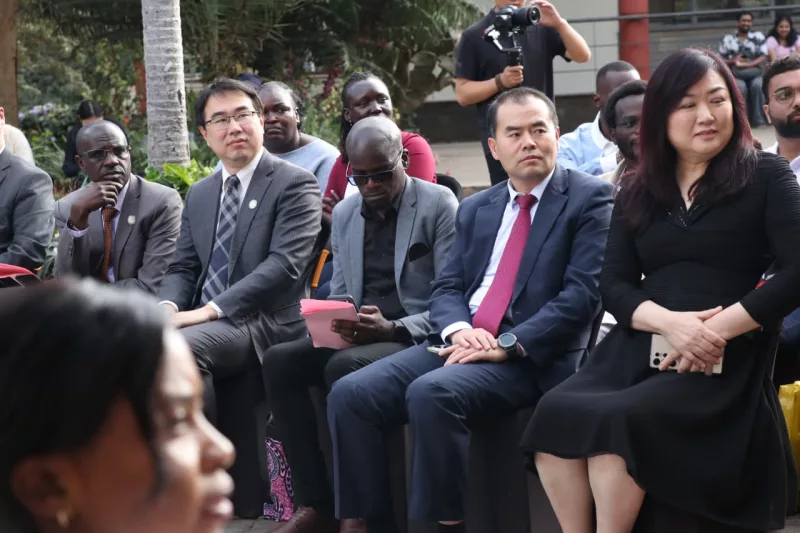
Otiende, who represented Youth Affairs Principal Secretary Fikirini Jacobs, said costume tells stories about where people come from, what they value and how they have evolved across generations.
He said Kenya’s young population was increasingly expressing itself through fashion, music, film, visual arts, design and digital content.
“The creative economy is not only about entertainment. It is also about jobs, enterprise, innovation, cultural diplomacy and national development,” Otiende said.
Shandong Fashion Design Association chairperson Zhou Jin said the exhibition provided an opportunity to connect Kenya and China through fashion and heritage.
Zhou, who said she had been inspired by Kenyan wildlife documentaries as a child, said she travelled to Kenya with textile, fashion, publishing, university, media and research partners.
She said the delegation had brought century-old Mamianqun to Kenya and planned to share Chinese textile and garment craftsmanship with young Kenyan students.
Zhou invited Kenyan students to Chinese universities to learn textile and garment skills, as well as artificial intelligence-driven digital applications.
She said a live-streaming team from Fuyang Group would support Kenyan women seeking to build livelihoods through entrepreneurship.
The partnership will also explore bringing traditional Chinese costume motifs to Kenya, supporting local manufacturing and developing AI-powered digital agents based on Kenyan traditional patterns.
Zhou said the partners planned to work with publishing institutions to translate Chinese publications for Kenyan audiences and establish the Lu-Jin Genius Mothers Workshop in Kenya under the China Women’s Development Foundation.
The initiative will facilitate exchanges between Chinese and Kenyan women entrepreneurs and create opportunities to showcase Kenyan women’s creative work in China.
The exhibition is expected to provide a platform for sustained cooperation linking cultural heritage, fashion, skills development, entrepreneurship and the wider creative economy.