Elba’s message goes beyond talent
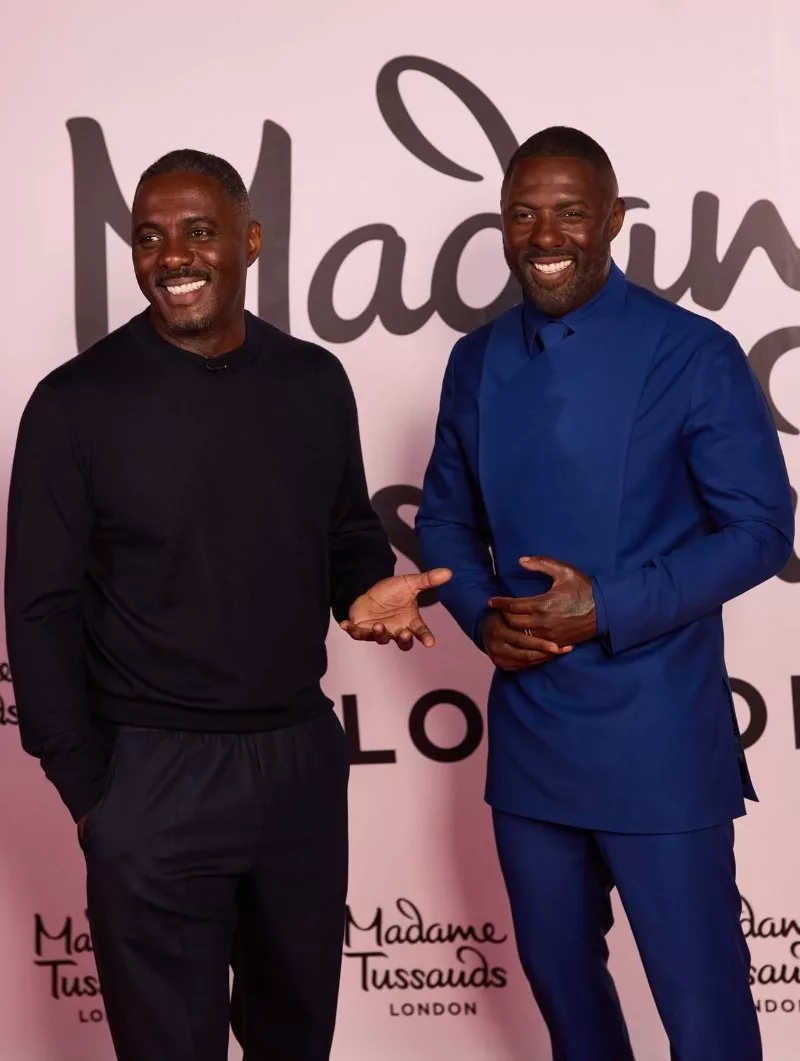
According to an account of the meeting published on 8 September, Elba highlighted some of the barriers facing young artists and creative entrepreneurs.
His message was that talent alone is not enough.
Young creatives also need access to reliable payment systems, professional networks, international markets, creative education and emerging technologies.
“Talent and inspiration alone are not enough” to unlock the full potential of young creatives.
That point speaks directly to a challenge facing Kenya's creative sector. Many young artists can produce music, films, fashion, visual art and digital content, but turning that ability into sustainable income requires business structures and access to markets.
Kenya wants a bigger creative economy
The government has increasingly presented the creative sector as an area with potential to create jobs and generate income.
InvestKenya estimates that the creative economy contributes more than 5 per cent of Kenya's GDP, with a market size of about $3.8 billion. It also identifies content production, distribution, talent development, music and film as areas with investment potential.
The government has also set a broader ambition of positioning Nairobi as Africa's creative capital.
At the 2026 Kalasha International Film and TV Market, Festival and Awards, President William Ruto said a Creative Economy Office had been established at State House and pointed to film incentives and wider monetisation opportunities for creators.
What Elba's involvement could mean
Elba's engagement matters partly because of his experience operating across acting, filmmaking and creative entrepreneurship.
His international network could help expose Kenyan creatives to markets and industry relationships beyond the country, although any lasting impact would depend on concrete programmes and opportunities rather than high-profile meetings alone.
Kenya has previously pursued similar international partnerships.
A 2024 agreement with US-based Invention Studios was intended to support Kenyan film and television production, including creative development, skills development, international talent resources, distribution and exchange programmes.
The opportunity for young Kenyans
For young filmmakers, musicians, actors, designers and digital creators, the bigger issue is whether Kenya can build systems that allow talent to grow into viable careers.
A previous partnership between Kenya and Netflix, for example, included skills development and scholarship support for aspiring creatives, alongside investment in Kenyan productions.
Elba's latest engagement therefore arrives at a significant moment.
It puts international collaboration back at the centre of Kenya's creative-economy conversation, while highlighting a simple reality: global recognition means little if young creatives cannot access the skills, financing, networks and markets needed to turn their work into sustainable careers.