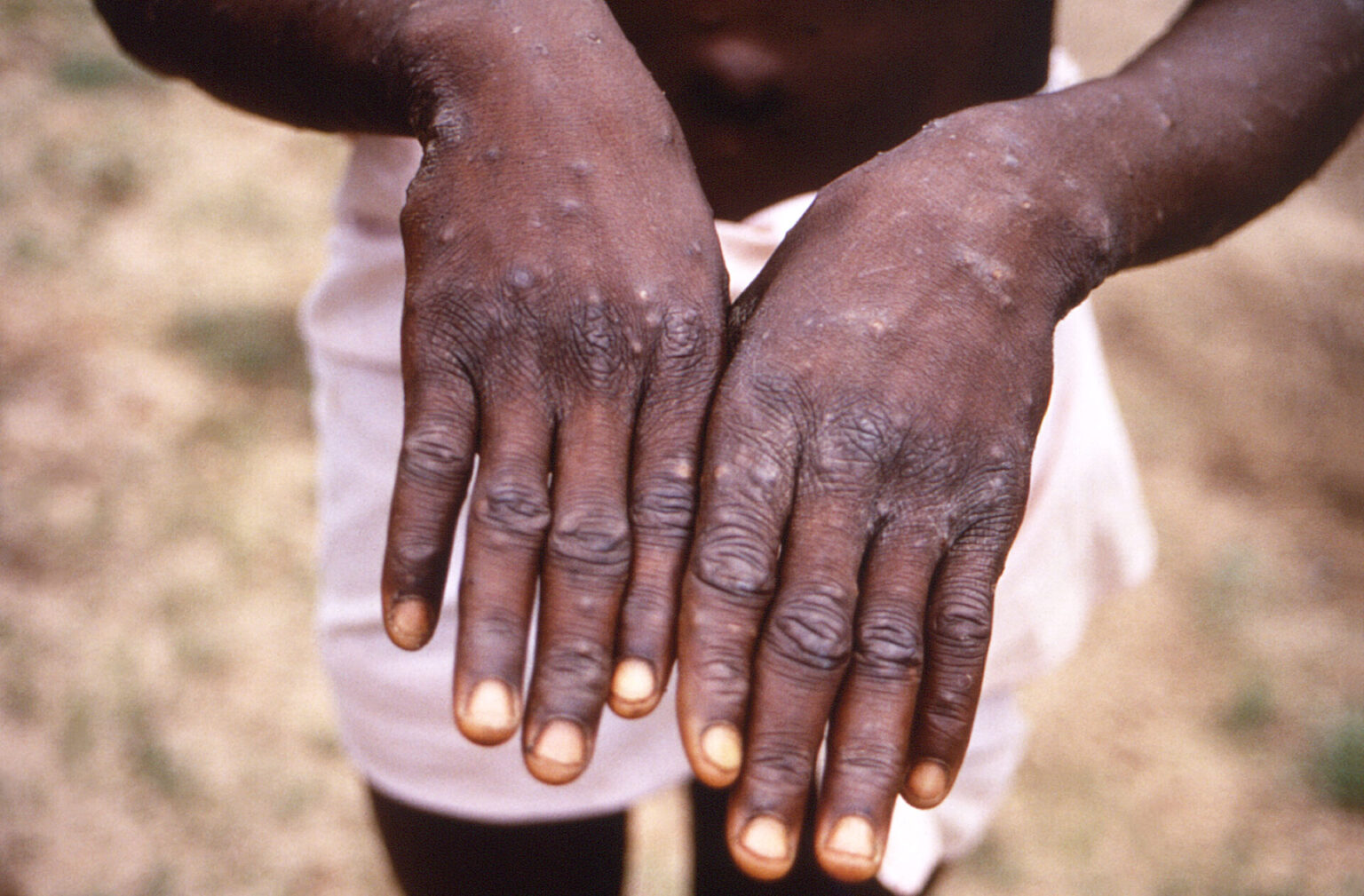
 A person suffering from Mpox/FILE
Kenya will benefit from a new global stockpile of Mpox vaccines that will help countries get the jabs faster when outbreaks occur.
The stockpile was launched on August 27 and is expected to begin operations later this month.
It has been created to make sure that countries can get Mpox vaccines quickly and fairly, especially when infections start rising.
The initiative is funded by Gavi, the Vaccine Alliance, and will be coordinated by the International Coordinating Group (ICG) on Vaccine Provision.
The ICG brings together the World Health Organisation, Unicef, the International Federation of Red Cross and Red Crescent Societies and Médecins Sans Frontières.
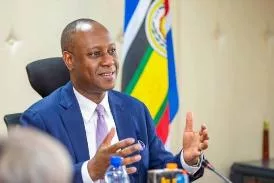
“During the 2022 Mpox outbreak, lower-income countries were left behind when it came to access to vaccines," Gavi CEO Dr Sania Nishtar said.
"It was clear that a mechanism was needed to ensure this global public good could be accessed by those who need it most.”
WHO director general Dr Tedros Ghebreyesus called the launch an important step towards a more sustainable and equitable approach to fighting Mpox outbreaks.
“By establishing a dedicated global stockpile, using an approach that has proven successful for managing other emergency vaccines, we are ensuring that countries can access them more quickly when they need them, saving lives and containing outbreaks before they spread further,” he said.
Kenya's own experience with Mpox shows why this matters.
Earlier this year, WHO data showed Kenya recording the highest number of Mpox deaths in Africa over a six-week stretch between February and March 2026, even though the country did not have the most cases.
Four people died out of 78 confirmed cases in that period alone.
However, the most recent WHO report, published on July 31, paints a somewhat different picture.
Over the six weeks leading up to July 19, Kenya recorded 48 confirmed Mpox cases and no deaths, placing it third among African countries after Madagascar and Angola.
This suggests Kenya's outbreak has eased compared to earlier in the year, even though it remains among the countries WHO is watching closely.
Madagascar remains by far the worst-hit country on the continent.
It has reported nearly 3,000 confirmed cases and 18 deaths since December 2025, the largest Mpox outbreak anywhere in Africa or the world right now.
The island nation has vaccinated close to 90,000 people, including health workers, sex workers and people living with HIV, though the outbreak is not yet under control.
Across Africa as a whole, 32 countries reported more than 51,000 confirmed Mpox cases and 235 deaths between January 2025 and mid-July 2026.
Globally, Mpox has affected 105 countries, with more than 63,000 confirmed cases and 256 deaths recorded since the start of 2025.
Mpox spreads mainly through close physical contact with an infected person, including through sex, and sometimes through contact with infected animals.
It can cause fever, painful skin rashes and swollen lymph nodes.
The illness can be especially dangerous for young children and people with weak immune systems, such as those living with untreated HIV.
Health officials say vaccination remains one of the most effective ways to protect people at high risk and stop outbreaks from spreading further.
With the new global stockpile now in place, Kenya and other African countries facing Mpox outbreaks should find it easier and faster to get vaccine doses when they are needed, rather than competing with wealthier nations for limited supplies.
WHO urged countries, including Kenya, to strengthen surveillance, expand testing and keep the public informed, as the disease continues to circulate in communities across the continent.
Health experts note that Mpox spreads more easily where surveillance is weak and testing is limited, meaning true case numbers in some counties could be higher than what is officially reported.
“Mpox can be devastating for children, not just its physical effects, but also the stigma, interrupted learning and fear that can come with being isolated from family and friends," Unicef executive director Catherine Russell said.
"This vital initiative will help us quickly get vaccines to the children, families and communities most at risk of the disease."
INSTANT ANALYSIS
Kenya’s inclusion in the new global Mpox vaccine stockpile could strengthen its ability to respond quickly when outbreaks threaten to overwhelm health systems. The country’s recent experience, including four deaths among 78 confirmed cases earlier this year, highlights the importance of timely access to vaccines. While infections appear to have eased, continued surveillance, testing and public awareness remain crucial, particularly for vulnerable groups and communities where detection may be limited.