 Kenyatta National Hospital/COURTESY
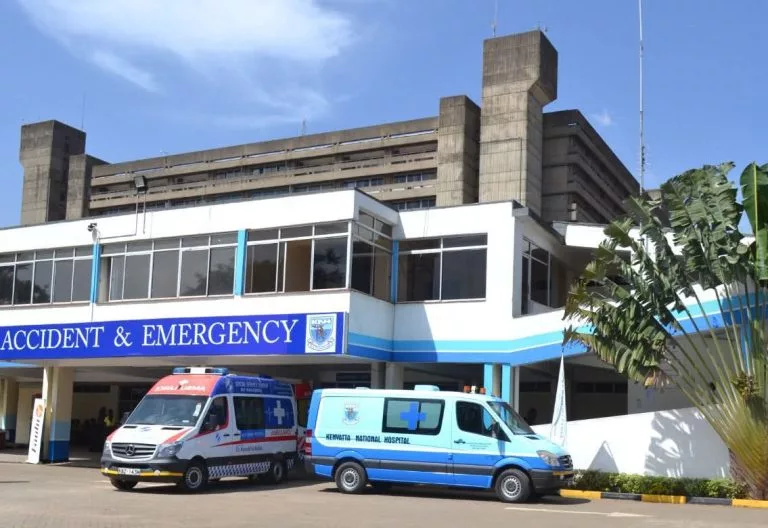
Kenyatta National Hospital (KNH) has embarked on an ambitious refurbishment programme targeting its ageing wards as the country’s largest referral facility prepares to celebrate 125 years of service in November.
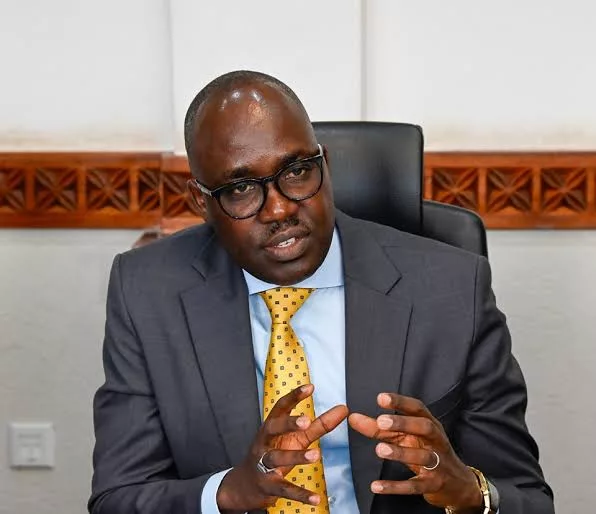
The hospital’s board chairman Abbas Gullet said the facelift is part of efforts to transform the institution’s physical environment and improve the experience of patients, staff and medical students.
Gullet said the tower block where the refurbishment is taking place is approaching 70 years old, with several of the hospital’s 58 wards requiring urgent attention.
“The tower block where we are in is close to 70 years old, and the entire hospital has 58 wards, and some of these wards are in dire need of refurbishment,” Gullet said.
He said the hospital had decided to seek support from the private sector after recognising that government resources alone may not be sufficient to address all its infrastructure needs.
The initiative has seen corporate organisations and foundations adopt individual wards and finance their refurbishment and equipping.
Gullet said each ward requires about Sh30 million, with approximately Sh20 million going towards refurbishment and Sh10 million for equipment.
“It may not necessarily be that you get results from the public, from the government alone, but we went to the private sector,” he said.
“I’m very excited to say that today the nine wards that we have so far worked on are 100 per cent financed and funded by the private sector, Corporate Kenya.”
He said the hospital deliberately chose an adoption model rather than asking companies to simply donate money to KNH.
“What we told them is we were not looking for money to come into the coffers of Kenyatta, but they could adopt a ward,” Gullet said.
Co-operative Bank was among the first institutions to come on board, adopting three wards on the sixth level.
A foundation subsequently took up one ward on the fourth level, while Prime Bank, through Mr Cantaria, financed Ward 5 Delta on the fifth level.
Equity Bank is supporting another ward on the same level in recognition of its chairman, Professor Macharia, who worked at KNH for 35 years as head of the Ear, Nose and Throat department.
Three additional wards- two on level one and one on the ground floor- have been taken up by Safaricom and the M-Pesa Foundation.
Gullet said the hospital would continue mobilising additional support to refurbish more wards and equip them with modern facilities.
The project, however, has not been without challenges, particularly because KNH has continued operating as refurbishment works take place.
Hospital's senior director of clinical services Joel Lesan said the disruption had affected patients as well as students undertaking clinical training at the hospital.
“That has been quite difficult because it’s affected quite a number of patients and also quite a number of students who are in training,” Lesan said.
He said hospital management had to engage affected groups and explain the long-term benefits of the works.
“We had to take a big gamble on this,” he said. “We had meetings with them to explain the positive effect that it will have on their services and the quality of service that we provide.”
Lesan said decades of continuous use had taken a toll on the hospital’s infrastructure.
“After 70 years of use, there was a lot of wear and tear,” he said, noting that KNH is a facility that has remained operational day and night.
Some areas, particularly washrooms, had deteriorated significantly and required urgent intervention, he said.
Lesan said the new wards would provide more spacious and private environments for patients while creating better conditions for healthcare workers and students.
“Making the area conducive to the service itself, well maintained, very clean, very tidy, would make them happier,” he said.
“Having well-spaced areas with privacy coming in would be a very ideal place, very decent place to give services, and very decent place also for teaching.”
He said improved infrastructure could also help reduce hospital-acquired infections and shorten patients’ stays.
“If we’re going to have a very short turnaround time, then everyone will be happy,” Lesan said.
Gullet said the transformation was not limited to buildings, with management also focusing on staff engagement and improving the hospital’s culture.
KNH has about 6,800 staff and 2,400 beds, making it a major operation requiring strong management systems.
“We have a very good board, a board that is committed to its work, and we have been able to very quickly address these issues,” Gullet said.
He said the board had placed patients at the centre of its strategy.
“It was very clear from the word go that we agreed our priority would be clinical services, our priority would be about patients. We want to be a patient-centred, patient-focused hospital, and everything revolves around the patient,” he said.
Gullet said the hospital also wanted to challenge the perception that public hospitals must necessarily be old, dull or poorly maintained.
“If we are in this serious business, it doesn’t matter whether you are public or private. We want to compete with the best in this country and in this region,” he said.
He said local architects, quantity surveyors and designers had been involved in creating the new spaces, with the hospital seeking a modern aesthetic while retaining a distinctly Kenyan character.
As KNH marks 125 years, Gullet said the refurbishment programme was intended to ensure the institution’s physical facilities match its role as a national and regional referral centre.
“We need to celebrate, and we need to have a hospital of the stature of Kenyatta National Hospital,” he said.
“We want it to become a world-class hospital at the end of the day.”