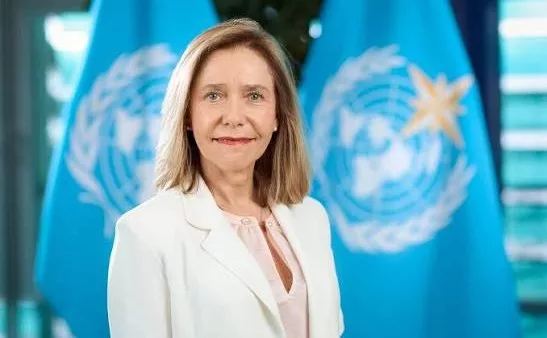
 Celeste Saulo is the secretary-general of the World Meteorological Organisation.
WMO El Niño/La Niña Updates are the world’s most authoritative sources of information for governments and decision-makers. They are based on a consensus of models from WMO Global Producing Centres, climate prediction centres and experts from National Meteorological and Hydrological Services around the world.
These forecasts show an “exceptionally high likelihood of nearly 100 per cent that El Niño will persist through to February 2027. Nearly one hundred per cent. This is the first time that we have expressed such a degree of certainty.
El Niño is firmly established in the tropical Pacific. Sea surface temperatures in this region are already well above average and are continuing to rise. Sub-surface ocean temperatures are also exceptionally high – in some areas more than eight degrees Celsius above normal during July and early August.
This means that there is a huge pool of very warm ocean waters that will fuel the intensity of El Niño. The WMO update shows that El Niño has strengthened and will continue as a very strong event, even exceptionally strong, in the coming months.
If this trajectory continues, it may be stronger than anything since our monitoring began - so literally off the charts we have used for the past four decades.
El Niño will peak towards the end of 2026 but its impacts will be felt long after that – including on global temperatures.
El Niño means the boy child because it was first noticed by Peruvian fishermen around Christmas time. It sounds so small and innocent.
But this El Niño will deliver a major blow to communities, economies and supply chains across the globe. So many sectors will be affected: agriculture, trade, fisheries, health, energy, transport, water resources, disaster management to name but a few.
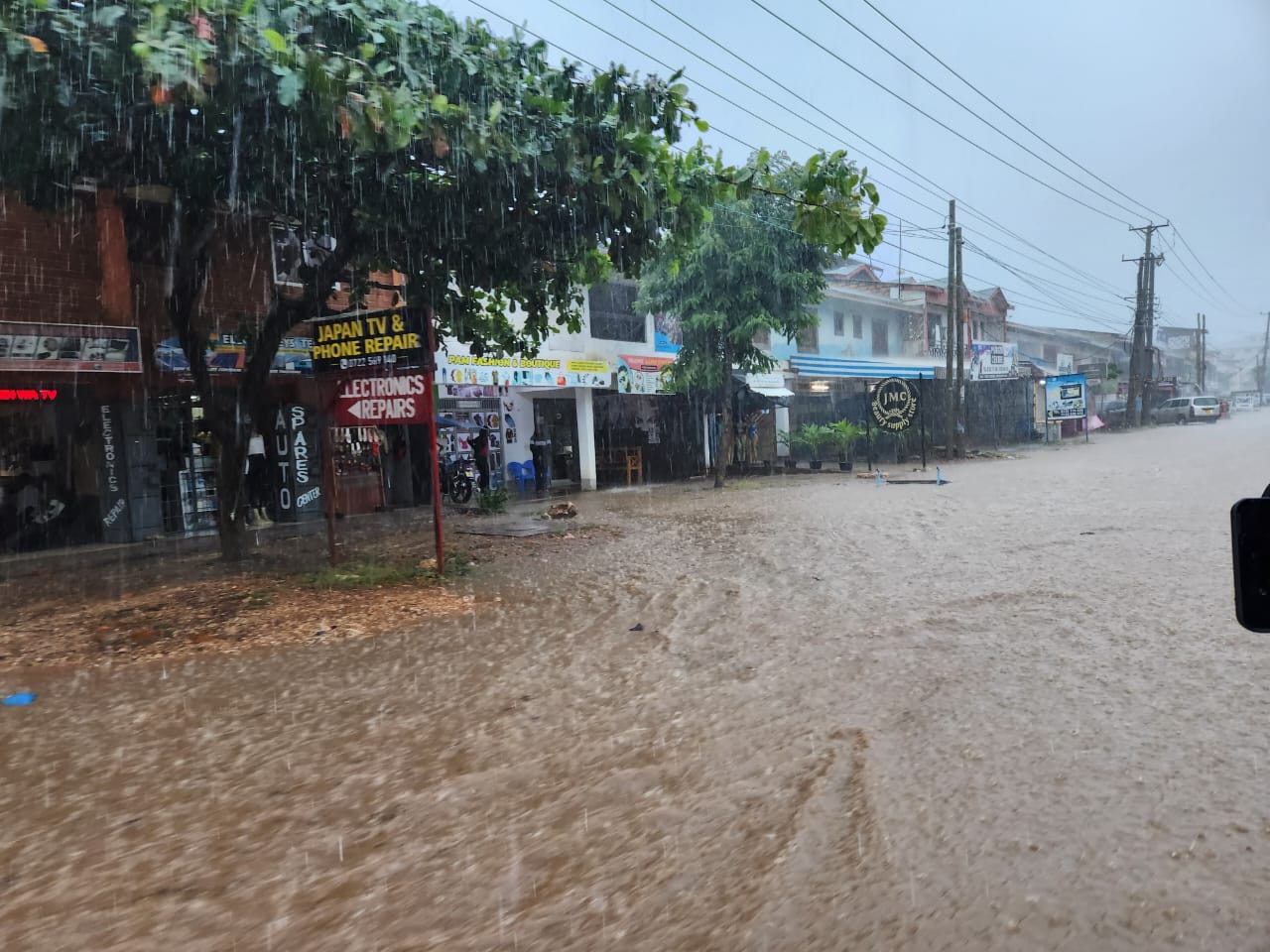
We are already seeing disruption and devastation from droughts and floods and extreme weather. We expect these impacts to multiply – and cascade - as El Niño intensifies.
This exceptional El Niño demands exceptional preparation and response. Seasonal forecasts, such as the WMO El Niño Updates provide a vital window of opportunity. We have no time to lose.
I've said this before, and I’ll say it again: El Niño does not have to be a recipe for disaster. We have the forecasts and foresight to save lives and protect livelihoods.
Celeste Saulo is the secretary-general of the World Meteorological Organisation.
END