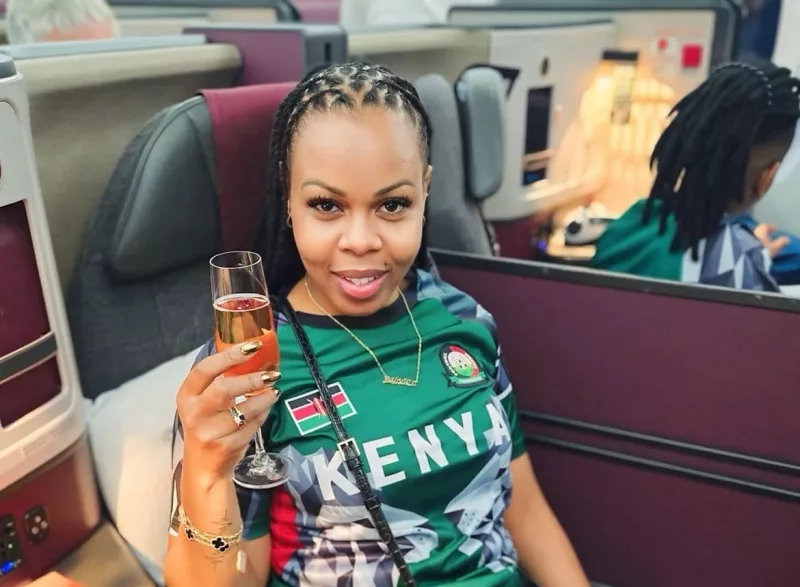
Kenyan actress and content creator Christine Wawira has opened up about the unexpected consequences of speaking publicly about her experience with suspected fake alcohol, saying she never anticipated the chain of events that followed.
Wawira shared the reflection on Monday, 31 August, through her Instagram Stories, reposting messages from people who credited her decision to speak out with helping raise awareness about the dangers of counterfeit alcohol.
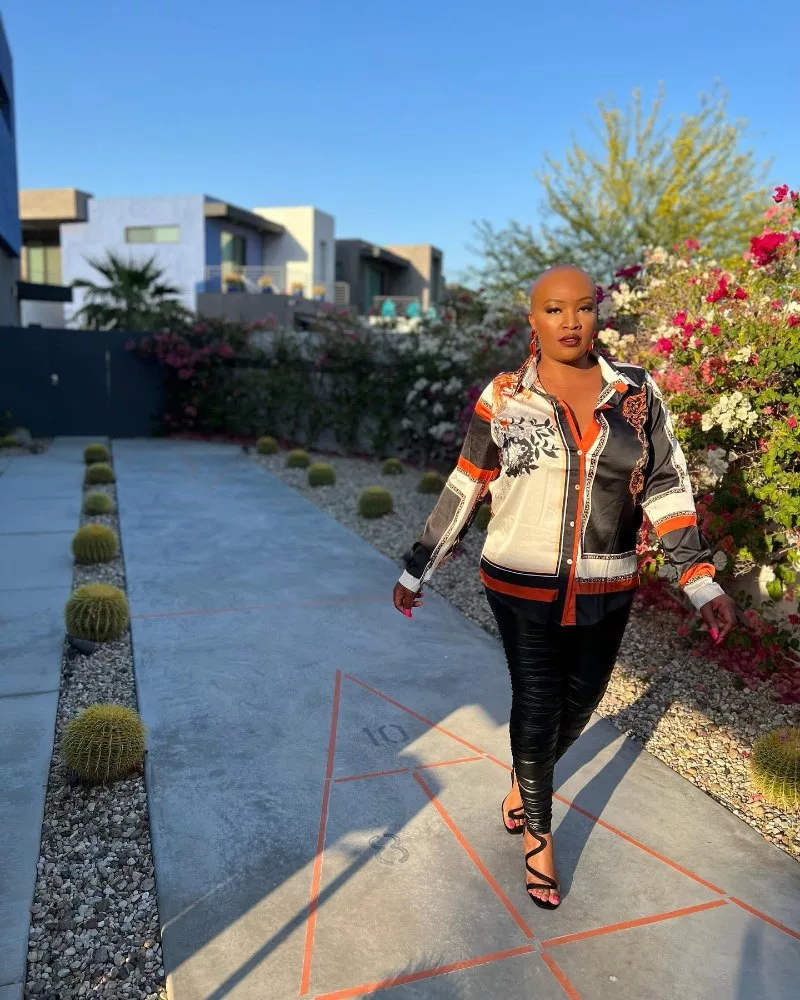
From personal experience to public conversation
Wawira first raised concerns after purchasing a bottle of County Vodka that she suspected was not genuine. She said the drink had an unusual smell, which she compared to nail-polish remover.
She returned the bottle to the liquor outlet and received a refund after raising her concerns. Reports at the time noted that there had been no independent confirmation that the particular bottle had been laboratory-tested and established as counterfeit.
Her decision to share the experience online, however, quickly pushed the issue beyond her personal encounter.
“I had no idea this would create a chain of events like this but I always say be the change you want to see in the world.”
Wawira said she was particularly surprised by messages from people who believed her decision to speak out could help protect others.
One follower told her that by drawing attention to the issue, she may have helped prevent people from suffering serious harm after consuming unsafe alcohol.
‘I’m very lucky’
The actress also reflected on how serious the situation could have become.
“I’m very lucky I noticed it almost immediately and didn’t drink much of it because I could have gotten very ill or even died!”
She described herself as a humanitarian and said protecting lives was important to her.
The reaction has not been entirely positive. Wawira acknowledged that she received online criticism after speaking about the incident, saying the level of attention and backlash was something she had not anticipated.
“I definitely never expected any of this to happen! It’s been quite the surprise.”
A wider concern over counterfeit alcohol
Wawira’s experience comes as Kenyan authorities continue to deal with counterfeit and illicit alcohol.
The Anti-Counterfeit Authority said in May that illicit alcohol accounted for about 59 per cent of Kenya’s alcohol market by volume and 21 per cent by value. The authority also identified refilling genuine bottles and the diversion of ethanol into illegal production among challenges facing enforcement agencies.
ACA records show that suspected counterfeit alcoholic products worth KSh7.6 million were seized in Eldoret in January 2026.
For Wawira, what began as a personal warning has developed into a wider conversation about consumer awareness, accountability and the risks surrounding counterfeit alcohol.
She now says the experience has reinforced her belief in speaking up when an issue could affect other people's lives.