On Friday, members of the conscious hip-hop collective Ukoo Flani spoke during an interview on KTN News Kenya’s morning show, Yanayojiri.
Represented by Guru Gang, Fujo Makelele, Nguchi P, and Labalaa, the Mombasa group reflected on their roots, the meaning of their name, and their musical mission.
From Sunday Battles to a United Movement
The story of Ukoo Flani began in Mombasa in 1994. Before uniting, individual rappers belonged to rival local street crews, including Wachokozi, Watapeli, Nig Mashada, and Achong Pong Clan. These groups competed in Sunday rap battles at the Florida club in Mombasa.
Despite competing, a deep mutual respect grew among them. They chose to dissolve their individual groups and form a single collective in 1996.
"We saw that we had love when we finished performing. We would sit together and listen to each other's lines. We saw that every day we met there, we had unity,” Fujo Makelele told KTN.
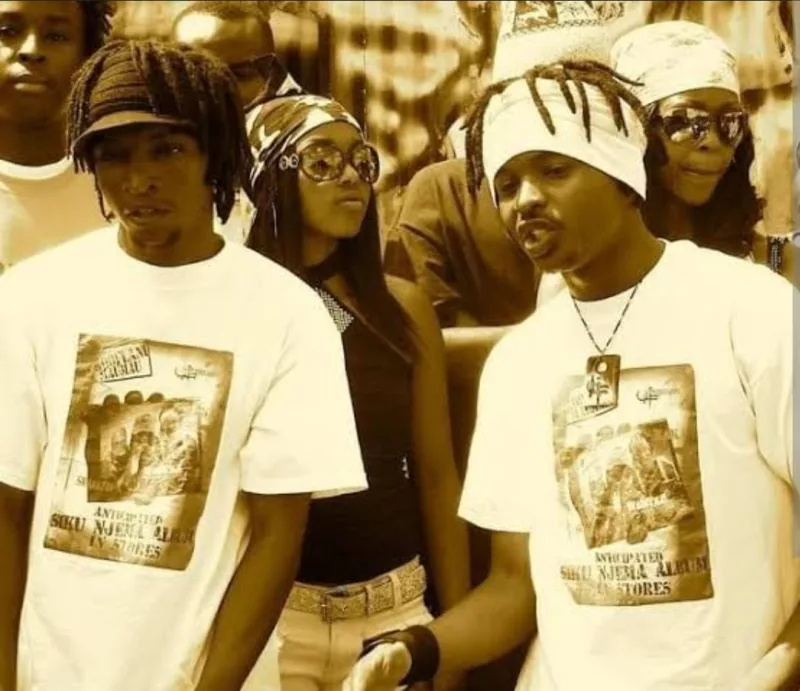
Meaning Behind the Name 'Ukoo Flani'
The artists chose the name "Ukoo Flani" (Kiswahili for "A Certain Clan") to represent a lifelong spiritual and social movement.
Guru Gang explained the philosophy guiding the collective:
"Ukoo Flani first of all means love everywhere, prayer, the teachings of our Creator, and let there be a path."
This commitment to love became their signature. When they relocated to Nairobi’s Dandora estate, they brought this communal culture with them.
They introduced Mombasa's traditions of sharing meals, which broke down ethnic barriers and built deep bonds.
Studio Struggles and Clean Lyrics
Their early years were marked by financial and technical challenges. To prepare, they rehearsed on Port Reitz beach in Mombasa, running kilometres and practising their flows.
Recording their 1996 debut single, "Ndani ya Pwani", at Mambo Studio was a major test of discipline. Without modern multi-track software, they recorded on analog tape around a single microphone.
Labalaa described the intense pressure of this setup:
"It was necessary to practise so that you come and record... if one person made a mistake, even if they were the last one, the whole song was out and you start again from the beginning."
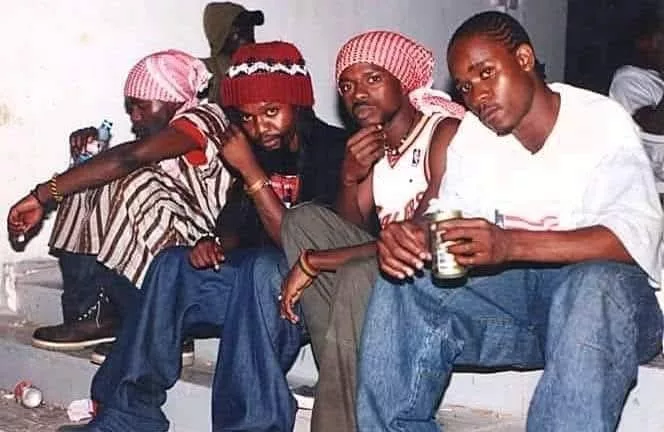
This conscious focus allowed their music to be embraced nationwide. It led to their participation in "Hip Hop for Peace" initiatives and international tours across Europe and Africa.