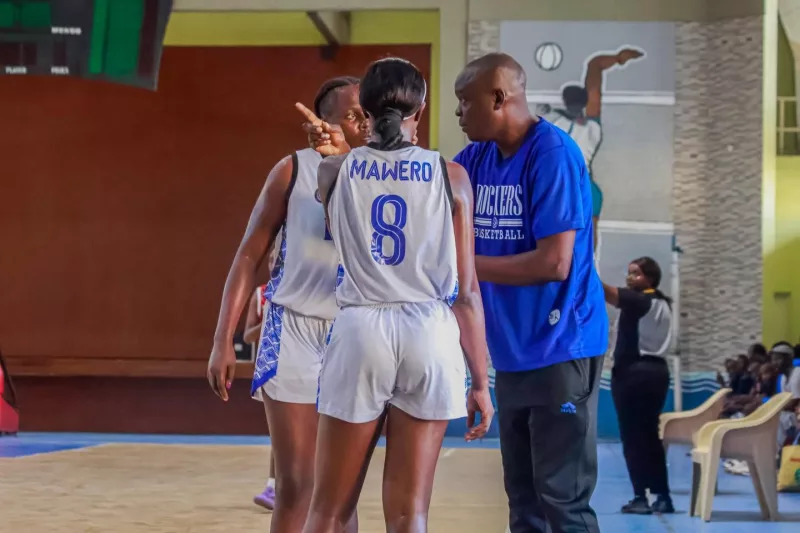
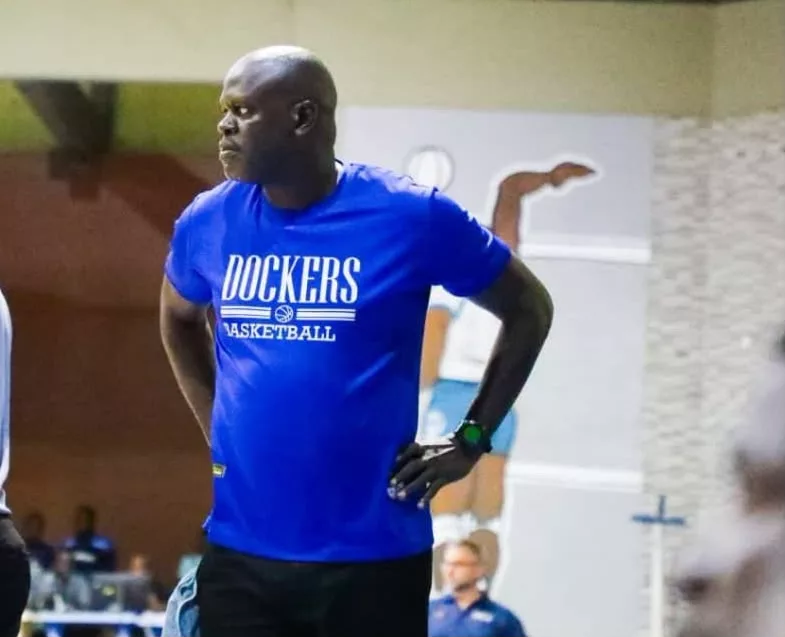
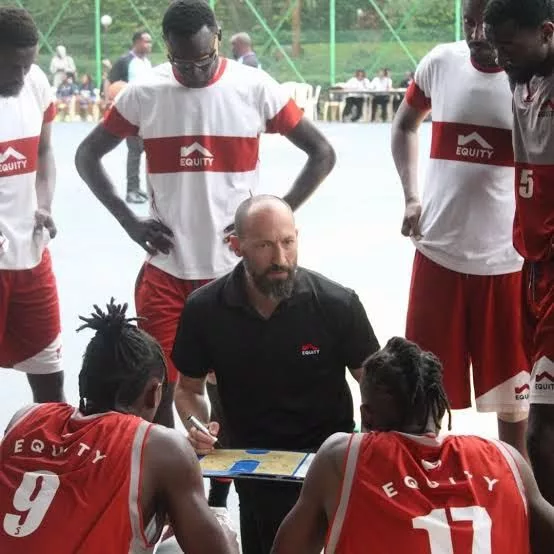
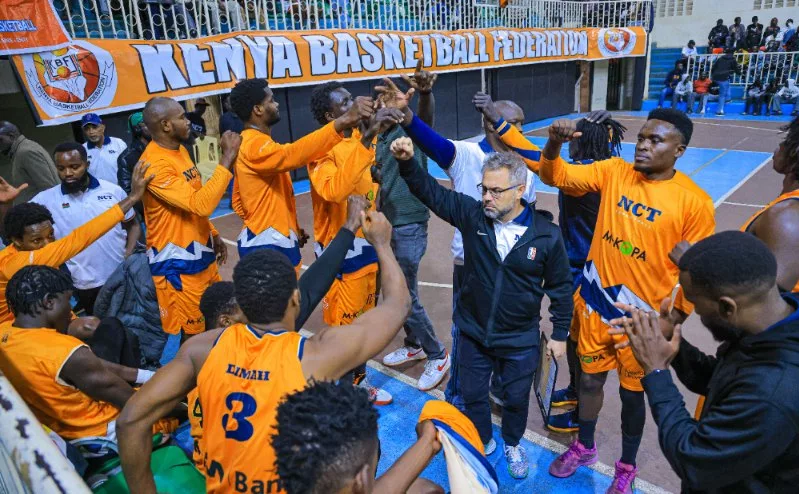
 Nairobi City Thunder head coach Bradley Ibs (centre) with his team/ HANDOUT
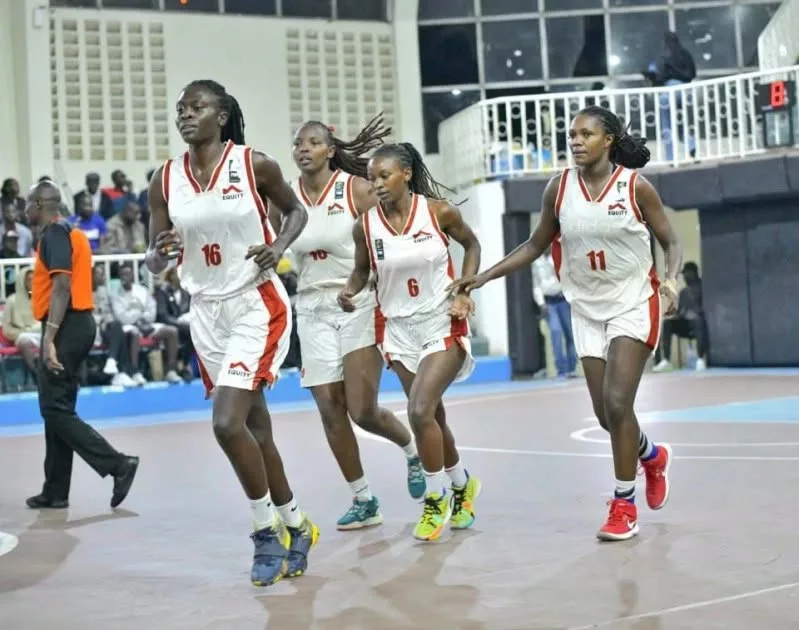
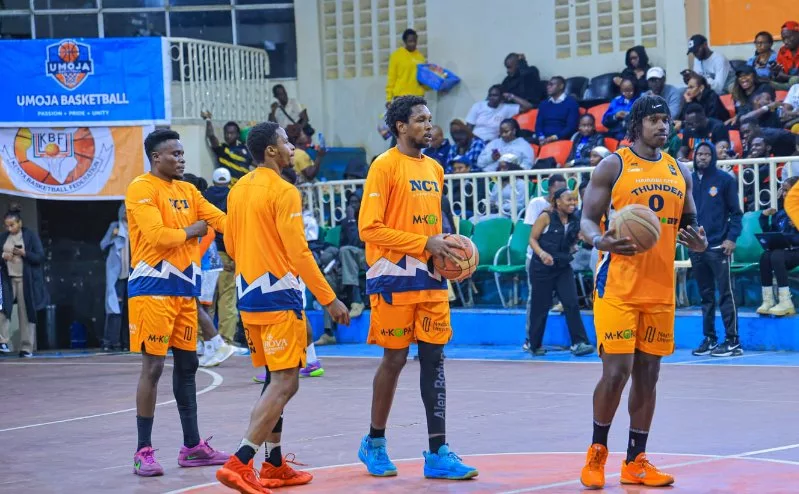 Nairobi City Thunder players training before a match/ HANDOUT
Thunder want to turn their growing support at home into a regional fan base, while developing the commercial side of the club to match their performances on the court.
That fan base has grown rapidly since the 2023 takeover. Rasmussen says Thunder are now the second-most followed club in Kenya on social media after Gor Mahia and have attracted large crowds at venues including Kasarani.
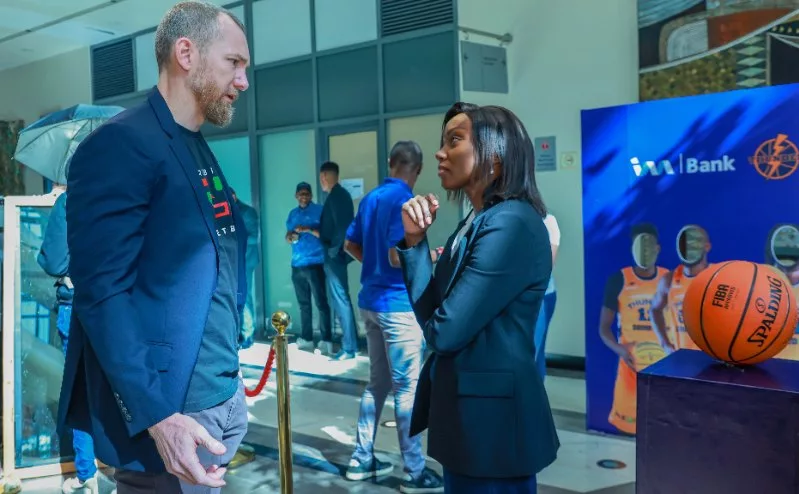
The club’s growing popularity has also made it an increasingly attractive proposition for commercial partners. I&M Bank entered the picture with a Sh10 million partnership, a deal the bank says is designed to support more than just Thunder’s immediate sporting ambitions.
The bank wants the partnership to become more than a conventional sponsorship, with Group Head of Marketing and Communications Mary Githinji saying they hope to drive the growth of basketball while using the sport to connect with Kenya’s youthful and urban audiences.
Githinji said the club’s ambition, consistency and growth on and off the court made it an ideal partner for I&M Bank.
“Nairobi City Thunder represents ambition, excellence and a modern vision for Kenyan sport,” she said. “At I&M Bank, we believe in partnering with organisations that are building sustainable success, and Thunder reflects those values.”
They see basketball as a rapidly growing part of Kenya’s sporting landscape, particularly among young people.
“Basketball is the fastest-growing sport in Kenya at the moment and by partnering with a top team like NCT, we increase visibility for the I&M brand in a growing sports ecosystem,” she said.
However, the value of the partnership will not be measured solely through conventional commercial returns. Githinji said they want fans who encounter the bank through basketball to associate it with opportunity, ambition and progress.
“If we can build that connection while creating meaningful experiences for fans and communities, then the partnership is delivering value beyond the immediate commercial metrics,” she said.
Part of that approach will be supporting youth development around the game. Through basketball clinics organised by Thunder, they hope to expose young players to the sport while helping them develop skills that extend beyond the court. Githinji said such programmes were central to the bank’s desire to make the partnership meaningful.
“It’s about nurturing talent both on and off the court,” she said.
Thunder’s participation in the Basketball Africa League also offers I&M a bigger platform to take the partnership beyond Kenya.
“The BAL platform provides us with a significantly larger stage to share the I&M story,” she said.
However, she insists the continental exposure should not become simply another branding exercise.
“We want to use the platform to spark meaningful conversations about ambition, financial empowerment and what young Kenyans can achieve when they are given the opportunity and support to pursue their goals,” she said.
“Our vision is to be a long-term partner in the growth of sports in Kenya, starting with basketball,” she said.
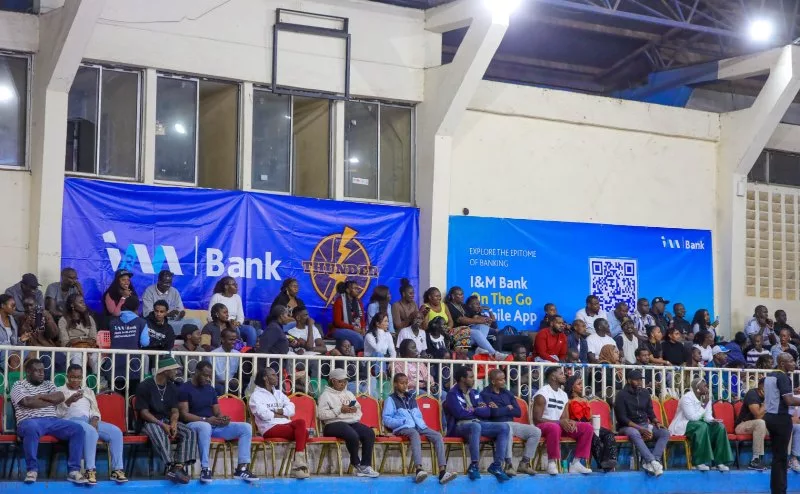 Nairobi City Thunder fans at a previous match/ HANDOUT
Kenya’s abundance of sporting talent, she added, presents an opportunity for institutions to play a greater role in helping young people turn their potential into sustainable careers.
“Our focus is to be impactful, build communities, and engage audiences in ways that go beyond conventional sponsorships,” Githinji said.
For all Thunder’s progress, Rasmussen identifies infrastructure as one of the biggest obstacles to the growth of basketball in Kenya. Nyayo Stadium, where Thunder play, has presented challenges ranging from unreliable electricity to poor amenities.
The issue goes beyond match-day comfort. Rasmussen says inadequate facilities have affected the club’s ability to recruit and retain players.
“We’ve actually even had certain players that wouldn’t come play for us for a whole season because of the facilities,” he said.
“Until we get better facilities, we’ll have challenges around recruiting talent, developing talent, retaining talent, and then also in terms of building out the fan base.”
The concern is particularly significant as Thunder seek to establish themselves as a regular continental contender. Competing at BAL level requires clubs to operate in an environment where players can train, recover and perform at a professional standard.
Better facilities would also help Kenyan clubs attract stronger commercial partnerships and larger crowds.
Thunder’s rise has nevertheless demonstrated the potential that exists when investment and professional structures are combined with talent. The club’s first national title came in 2000, when they were known as NSSF Stars.
They then endured a 24-year wait before ending that drought in the 2023-24 season.
Since the Twende Sports takeover, the club has moved to another level.
Three national titles, three consecutive unbeaten regular seasons and historic BAL qualification have transformed Thunder from a successful Kenyan club into one of the country’s most ambitious sports properties.
Their model has also provided local players with a clearer pathway towards making basketball a full-time career.
Players such as Tylor Ongwae, Albert Odero, Eugene Adera and Derrick Ogechi have formed part of the Kenyan core, with international recruits complementing the domestic talent.
The combination of continuity, professionalism and investment has helped Thunder maintain their dominance while competing at a higher level internationally.
But the club knows domestic success alone will not be enough. The next stage is to turn the BAL breakthrough into regular continental participation, expose more Kenyan players to elite competition and establish Thunder as a recognised brand across Africa. Rasmussen believes the opportunity is already there.
“Africa is hungry for more investment,” he said. “It’s not just about Africans going out on the global stage, but it’s also about here in Africa — building sports properties that can be interacted with on the ground, and also for the athletes.”