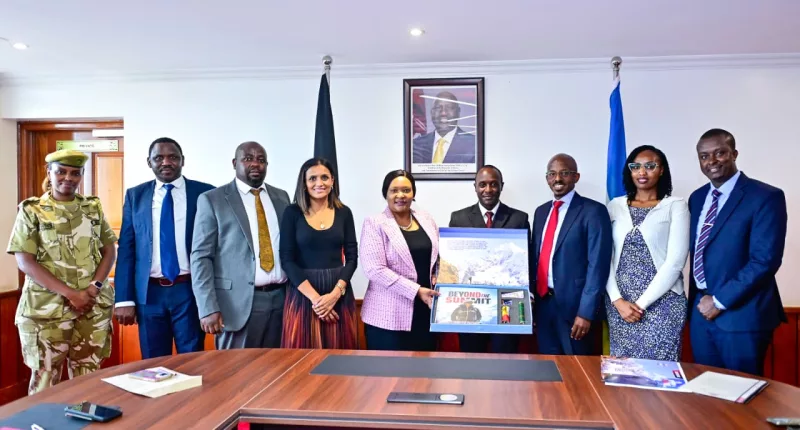
Kenya is hosting a major continental standards summit as African countries step up efforts to remove technical barriers and make cross-border trade easier under the African Continental Free Trade Area (AfCFTA).
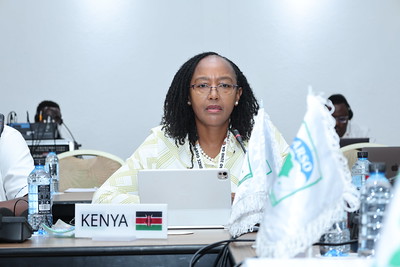
The 32nd General Assembly of the African Organisation for Standardisation (ARSO) and ARSO Week 2026 opens today in Mombasa, bringing together Ministers, national standards bodies, regional economic communities, industry leaders, development partners, certification bodies and technical experts.
The five-day meeting, running until Friday, is being hosted by the government through the Kenya Bureau of Standards (KEBS).
The summit is being held under the theme, “Standards enabling Intra-Africa Trade under the African Continental Free Trade Area (AfCFTA)- One Certificate Working for You.”
Deputy President Kithure Kindiki is expected to preside over the official opening on Wednesday as the chief guest, underscoring Kenya’s commitment to strengthening continental quality infrastructure and supporting implementation of the AfCFTA.
At the heart of the meeting is a push for harmonised standards and conformity assessment procedures that can allow products certified in one African country to access other markets with fewer hurdles.
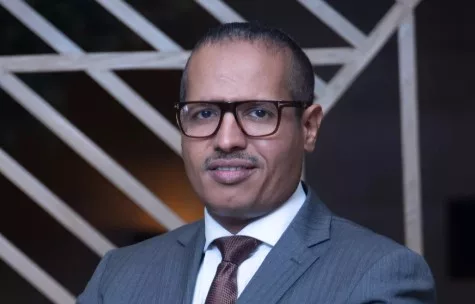
ARSO Secretary General Hermogene Nsengimana said common standards would be crucial in unlocking the continent’s trading potential.
“Standards are not mere technicalities; they are the invisible infrastructure of modern economies,” Nsengimana said. “Under the African Continental Free Trade Area, a single trusted certificate can open markets, reduce costs and empower African enterprises, especially our small and medium-sized enterprises, to compete and thrive across the continent.”
The assembly is expected to seek renewed political and institutional commitment to the ARSO Quality Mark as a continental certification instrument for the AfCFTA single market.
It will also pursue concrete, time-bound commitments to advance the harmonisation of standards and conformity assessment procedures among African countries.
The move is expected to strengthen mutual trust between trading partners while expanding market access for African enterprises. KEBS, which is hosting the event, has highlighted the role of harmonised standards in facilitating seamless intra-African trade.
“The future of African trade starts with quality. Quality that knows no boundaries - One Certificate, working and moving the continent," KEBS Managing Director Esther said. ARSO was established in 1977 by the Organisation of African Unity, now the African Union, and the United Nations Economic Commission for Africa.
The organisation, which has 44 member states, is responsible for harmonising standards and conformity assessment procedures across Africa to support industrialisation, consumer protection and sustainable trade.
Under the AfCFTA agreement, ARSO is mandated to develop harmonised standards needed to facilitate trade among State Parties.
The Mombasa meeting will therefore serve not only as a statutory governance forum but also as a platform to translate this mandate into practical programmes, partnerships and policy commitments.
The programme includes discussions on agro-processing, textiles and leather, cosmetology, science ecosystems, green standards and conformity assessment.
A Made in Africa Expo will also run throughout ARSO Week, providing Kenyan small and medium-sized enterprises and other African producers with an opportunity to showcase standards-aligned products.
The organisers said the expo will provide businesses with opportunities for networking, market exposure and engagement with producers already applying harmonised African Standards.
The summit is expected to produce an outcomes document to guide ARSO’s work in the coming years, alongside stakeholder input into its proposed 2027–2032 strategic plan.
Among the expected outcomes are clearer policy messages for continental and international decision-making bodies and enhanced visibility of ARSO programmes among policymakers and the private sector.
The week will conclude with field visits showcasing Mombasa’s strategic role as a gateway for trade, including its port infrastructure, industrial facilities and tourism assets.