Losing livestock to drought could come to an end following a government-backed plan to establish ward-based fodder reserves across the country.
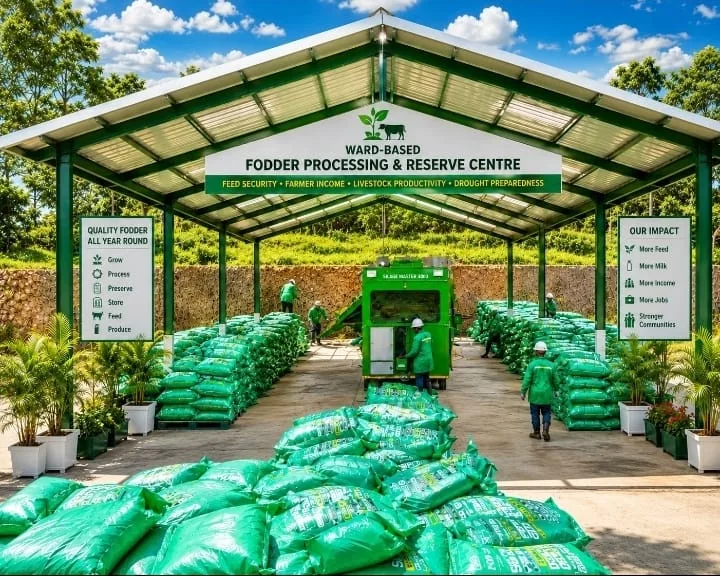
The proposed Fodder Processing and Reserve Centre (FPRC) model will enable livestock farmers to produce, preserve and store feed during periods of plenty for use during dry seasons.
The aim is to help communities avoid the devastating loss of animals caused by prolonged drought.
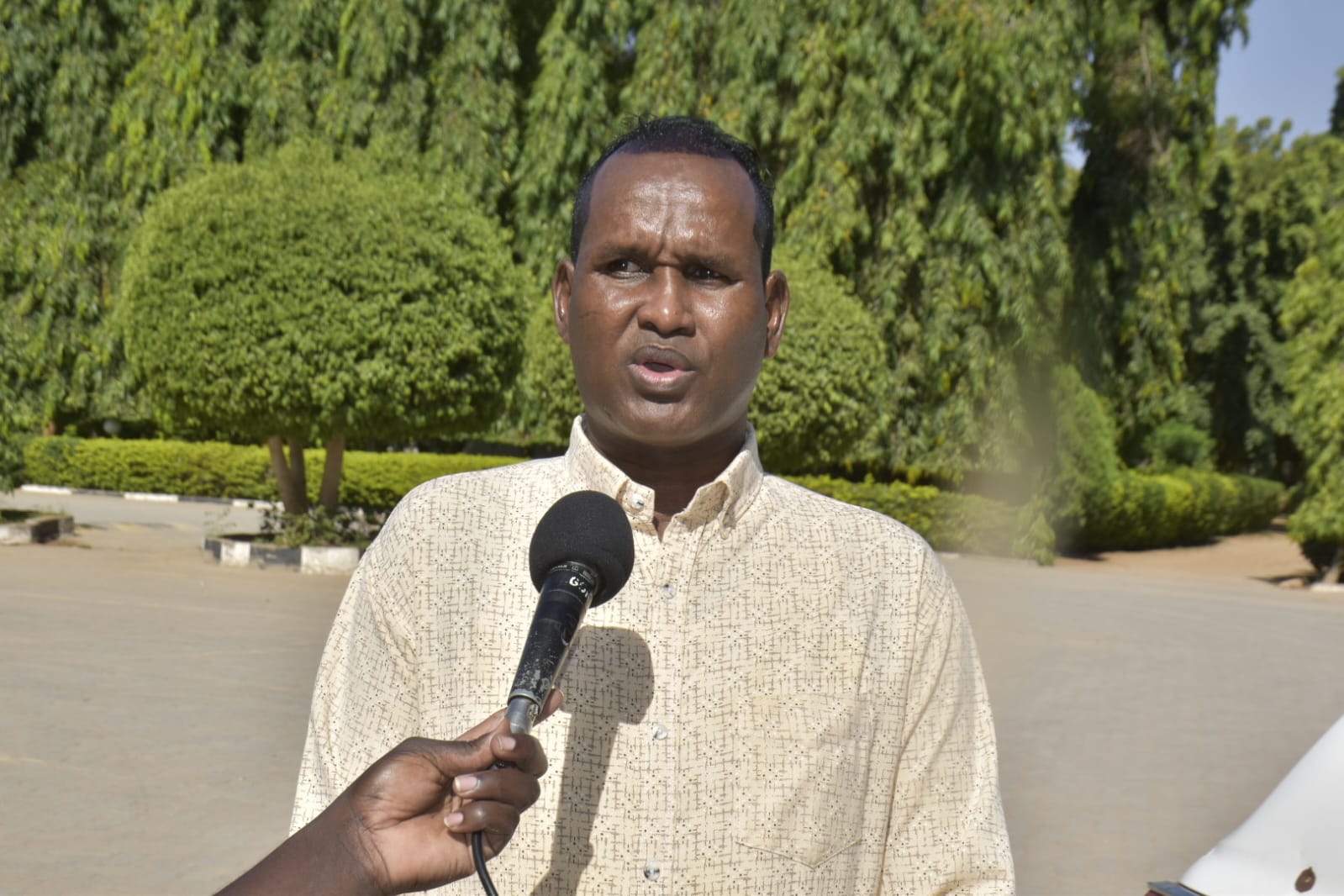
National Food Security Adviser in the Office of the President Dominic Menjo said the programme will provide farmers with a reliable source of animal feed throughout the year.
Menjo spoke during a stakeholders’ meeting at the Bura Irrigation Scheme in Tana River county.
He said the government was working with partners to introduce technology that would allow fodder to be processed, packaged and stored for extended periods.
“The idea is to have enough fodder during the rainy season which can then be stored and made available affordably during the dry season,” Menjo said.
He said the technology would help reduce wastage of fodder while ensuring farmers have access to quality feed when fresh pasture becomes scarce.
The pilot project is expected to begin at the Bura Irrigation Scheme before being expanded to National Youth Service (NYS) farms and other parts of the country.
Under the proposed model, fodder growers would produce high-yield crops such as Super Napier grass and supply nearby processing centres.
Farmers could set aside about one acre for fodder production, creating an additional source of income while contributing to the ward-level reserve.
At the centres, fodder will be inspected, processed, compacted, weighed and packaged using the locally assembled Silage Master 3000 technology.
The system is designed to reduce feed losses and improve storage and distribution.
The model is already being piloted at Nyeri Hill Farm, where the Catholic Archdiocese of Nyeri has begun processing and repackaging fodder silage.
Nyeri Hill Farm board member David Ndewa said the partnership between government and the private sector could significantly improve livestock productivity if the model is implemented at ward level.
“We have been in the business of producing and selling quality silage for more than five years. Drying and packaging gives us another opportunity to preserve fodder and ensure farmers can access it when they need it,” Ndewa said.
Hill Farm general manager Martin Macharia said the initiative could help address one of the biggest challenges facing livestock farmers — unreliable access to feed.
“The ward-based approach will make it possible to produce, process and store fodder closer to the farmer. This can reduce transport costs and ensure feed is available when fresh fodder is scarce,” Macharia said.
The Hill Farm pilot is expected to demonstrate the full chain, from fodder production and aggregation to processing, storage and distribution through farmer cooperatives.
Dr Richard Kyuma, chief executive of the Livestock Marketing Board, said improving access to feed was critical to strengthening livestock production and protecting farmers’ investments.
The wider programme will also involve cooperatives and savings and credit societies, which could provide a link between fodder producers, processing centres and livestock farmers.
The government is also looking at partnerships involving development agencies to support planting materials, cooperative feedlot systems and establishment of fodder reserve centres.
Project manager at Silage Master 3000 Sencer Cilikuyu said the technology could transform livestock farming while creating employment opportunities if widely adopted.
“These machines can change the way livestock farming is done by ensuring farmers are not dependent only on fresh fodder. They can also create opportunities for young people in processing, storage and distribution,” Cilikuyu said.
A farmer from Githunguri in Kiambu county said the initiative will offer relief to farmers who currently depend heavily on fresh fodder.
The programme's proponents envision a system where every livestock-producing ward can grow, process, preserve and reserve enough feed to keep animals productive throughout the year.
The model is also expected to support climate resilience, rural employment, farmer incomes and food security by reducing the impact of drought on livestock-dependent households.