Impala Rugby Club has launched a 16-week safeguarding pilot programme aimed at strengthening athlete safety, wellbeing and protection across its rugby section.
Launched on Safe Sport Day 2026, the initiative marks the club’s commitment to moving safeguarding beyond policy and into the everyday experience of sport. The pilot will run until November 27, 2026, with a review scheduled for December.
It forms the first phase of the Impala Safe Club 2030 programme, with rugby serving as the first section where the safeguarding framework will be developed, tested and strengthened. Lessons from the rugby pilot will then inform a broader safeguarding approach across other sections of the club.
During the launch session, participants discussed the purpose and scope of the pilot, the 16-week implementation plan, safeguarding leadership roles, responsibilities of different partners and immediate actions required to get the programme underway. Impala coach Malik Ndemi described the initiative as vital in addressing issues affecting the club.
“This is a journey which we hope will culminate in something which will be incorporated into other areas of the club,” Ndemi said.
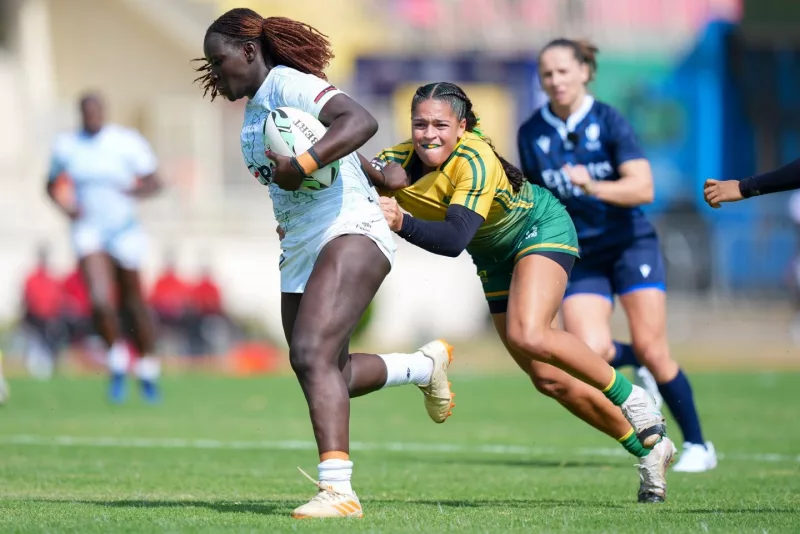
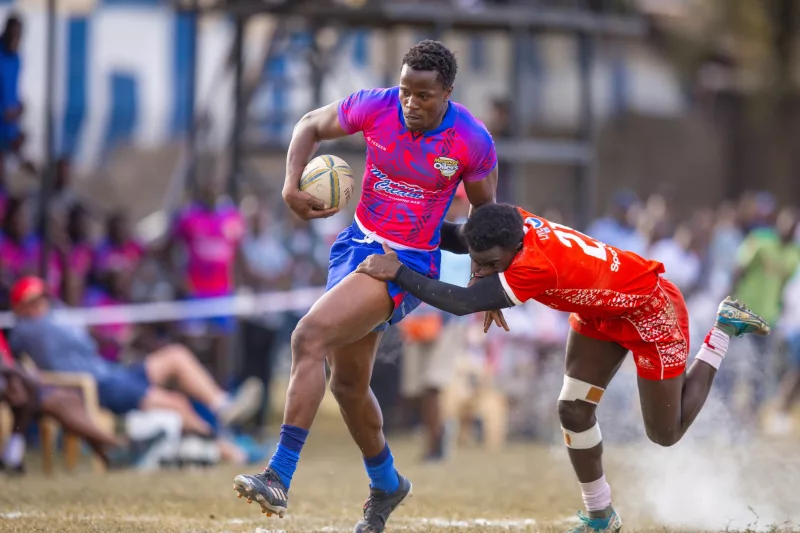
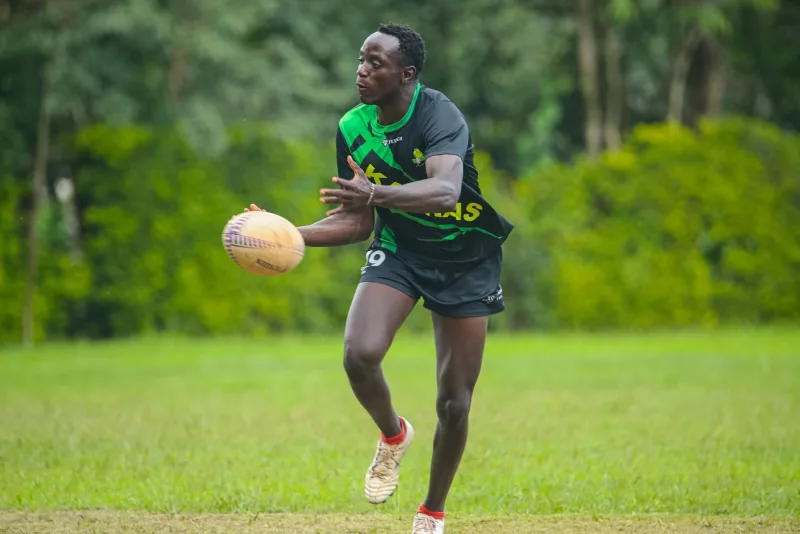
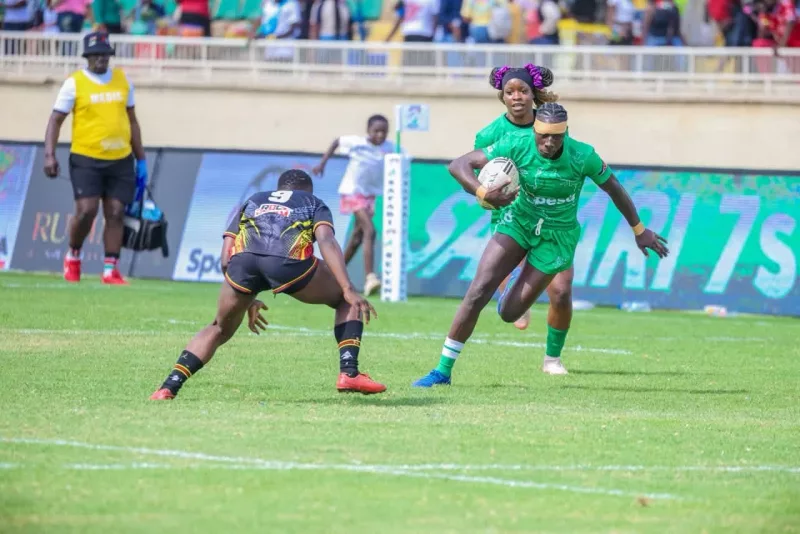
The pilot will cover the entire rugby section, including every squad, coach and volunteer. This will encompass age-grade and junior teams, the senior men’s squad, the women’s side, coaches, officials and volunteers.
Safeguarding considerations around match days, travel and tours, changing rooms and facilities, parents and spectators, athlete wellbeing as well as the reporting and handling of concerns, will also form part of the programme.
Over the next four months, the initiative will move through five stages — Assess, Design, Build, Equip and Embed. The process will begin by assessing the current rugby environment and identifying potential risks before developing policies, codes of conduct, reporting systems and training that can be embedded into the club’s day-to-day operations.
A key focus will be building safeguarding capacity among people closest to athletes. Coaches and team officials will receive training on safe coaching, appropriate conduct, and recognising and reporting concerns. Players, volunteers, parents and guardians will also be engaged through tailored sessions.
The launch represents an important first step towards creating a safeguarding system that is practical, understood and visible across the rugby environment. It will also provide an opportunity for the club to learn by testing the approach within a working rugby environment, identifying what works, areas that require strengthening and lessons that could be applied in other sporting environments.