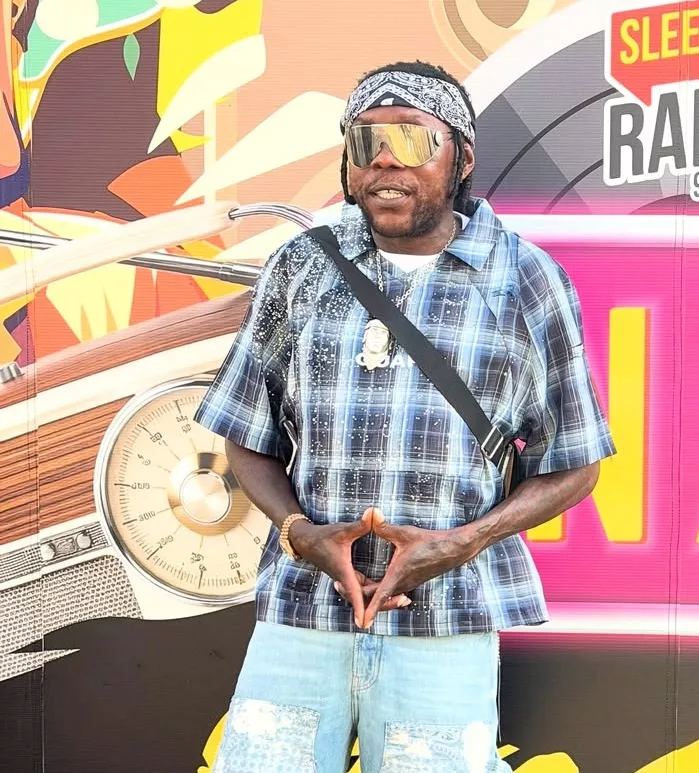
Mugithi, a genre deeply associated with Kenya’s Kikuyu musical tradition, is increasingly finding audiences beyond the country’s borders.
From the United States to the United Kingdom and parts of Europe, Mugithi performers are taking their guitars, storytelling and energetic live performances to Kenyan communities abroad.
The trend is raising a bigger question for the music industry: are diaspora shows becoming one of the most important sources of income for Kenyan musicians?
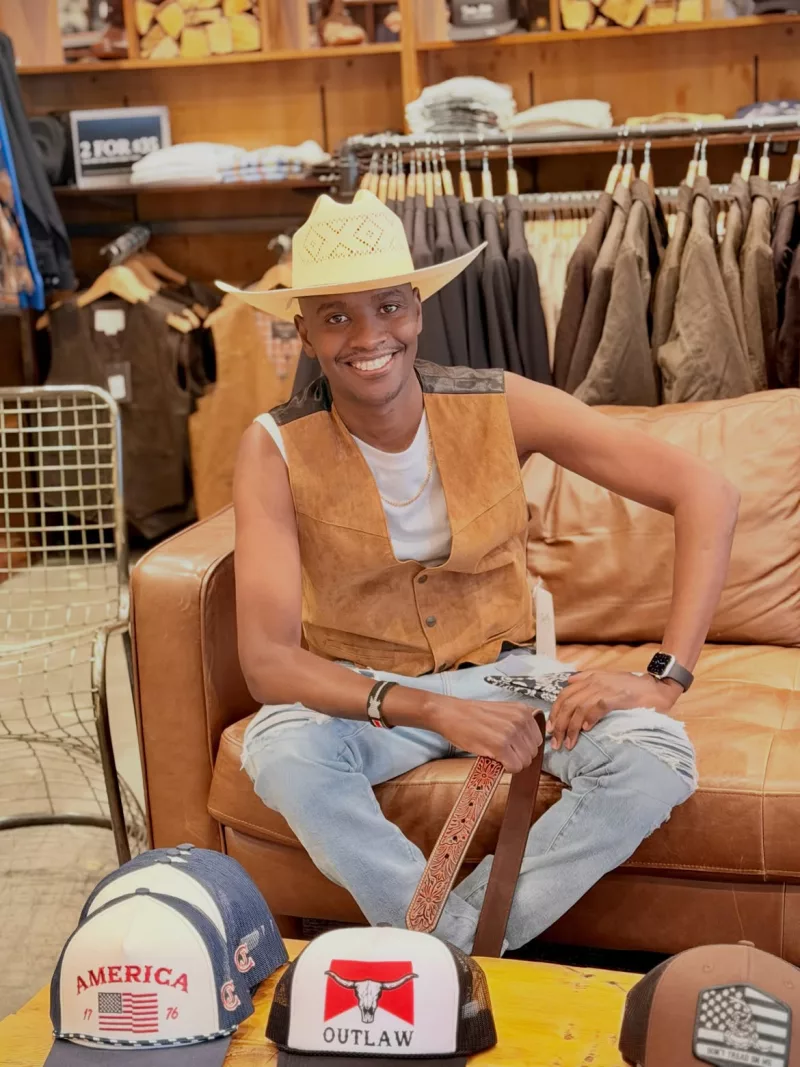
Mugithi has traditionally been popular in Central Kenya, where live performances, weddings, social gatherings and entertainment venues have helped keep the genre alive. Its appeal abroad, however, appears to be closely linked to nostalgia.
For Kenyans living thousands of kilometres from home, hearing familiar Gikuyu lyrics and the distinctive guitar sound can provide a strong connection to home.
Recent performances suggest that this market is expanding. Mugithi star Jose Gatutura has been touring the United States in 2026, with stops across numerous cities.
Business Daily reported that Gatutura had performed in more than 20 US states and had previously taken his music to Switzerland, the UK and Germany.
“This tour is a celebration of our heritage and our people.” — Jose Gatutura
The singer has also expressed an ambition to make Mugithi a recognised part of contemporary African music rather than limiting it to its traditional Kenyan audience.
Why the diaspora market matters
Promoters say the attraction is not simply about music.
Diaspora concerts have increasingly become social occasions where Kenyans meet, network and reconnect with their culture.
A recent Country Meets Mugithi event in Seattle featured artists including Samidoh, Kareh B and others, drawing Kenyan audiences in Washington State.
For performers, such events can create several income opportunities at once, including performance fees, merchandise, sponsorships and future bookings.
The costs of staging international shows are also higher, but successful tours can open doors to multiple cities instead of relying on one domestic market.
Is it becoming a major income source?
There is no publicly available industry-wide figure showing exactly how much Kenyan musicians earn from diaspora performances.
However, the increasing number of international tours points to a market that promoters and artists are taking seriously.
Simon Javan Okelo, founder of the Madaraka Festival in the United States, has spent years creating platforms for East African musicians abroad. His festival has hosted Kenyan artists in American cities and helped build links between performers and diaspora audiences.
The opportunity therefore extends beyond the musicians themselves.
Promoters, event organisers, DJs, venues, travel companies and sponsors can all benefit when Kenyan artists attract large diaspora crowds.