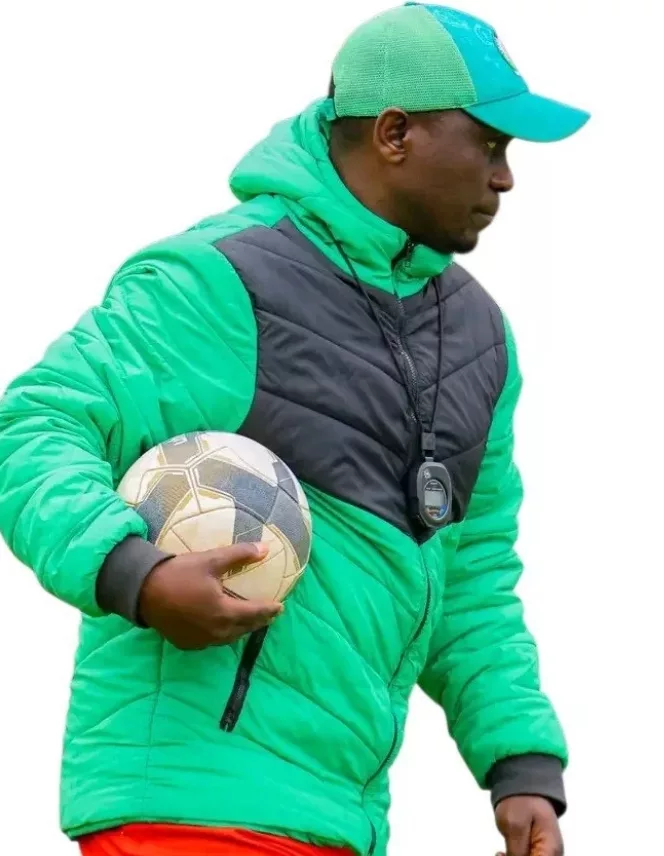
 ADAK acting Director of Standards and Compliance Martin Yauma / HANDOUT
Kenya must stop judging athletes only by the medals they win and confront the pressures that push them towards doping, the Anti-Doping Agency of Kenya (ADAK) has warned.
ADAK acting Director of Standards and Compliance Martin Yauma said the country’s obsession with podium finishes was masking deeper problems in athlete preparation.
Read Also
Among the challenges include poverty, unqualified coaches and managers and a culture that discourages athletes from speaking out.
Yauma said a medal should be viewed as the final product of a much longer process that must prepare athletes mentally and morally.
“How prepared, truly, is the Kenyan athlete to face the world in current competitions? Yauma asked.
He challenged the sports fraternity to ask whether athletes are equipped to reject doping when faced with pressure from coaches, managers, peers and society.
“Is the athlete prepared to say no to the predisposing factors that lead them to be involved in doping? he asked.
Yauma said some athletes arrive at major competitions in excellent physical condition but remain dangerously unprepared to deal with the systems surrounding them.
He singled out economic desperation as one of the biggest drivers of doping.
Yauma also warned about athletes being surrounded by unqualified coaches, agents and managers who may recommend supplements or substances without understanding anti-doping rules.
He called for stronger regulation of the athlete entourage, including licensing, registration and anti-doping education for coaches, doctors and agents.
However, Yauma praised Athletics Kenya (AK) for introducing measures to vet, register and license coaches, saying the initiative would help ADAK tackle doping at the source.
He also cited a culture of silence in training camps, where athletes who suspect doping may fear being ostracised, losing sponsors or damaging their careers if they speak out.
He challenged journalists and the public to change the questions they ask athletes.
“We are very quick to ask our athletes, ‘Did you win?’ far more urgently than what we are supposed to ask: ‘How did you win, and what did it cost you for you to win that particular race? he said.
Yauma said ADAK is shifting from an approach centred mainly on enforcement and detection towards prevention and building trust with athletes.
“Prevention cannot be an afterthought,” he said.
The agency is also working with the Kenya Institute of Curriculum Development (KICD) on a clean sport curriculum being introduced from pre-primary to primary school level.
Early education, he said, would help instil clean-sport values before athletes reach the intense pressures of elite competition.
ADAK is also moving towards intelligence-led and risk-based testing, allowing more resources to be directed towards education, awareness and information sharing.
Meanwhile, Yauma has urged federations to take greater responsibility for athlete welfare and education instead of treating such programmes as optional extras.
He further called for greater use of sports science, technology and evidence-based training to give Kenyan athletes a legitimate competitive advantage.
“An athlete who is not prepared to compete properly will win, but will not win it right,” Yauma said. “For us to ensure that our athlete wins and wins it right, we need to build confidence in them.”