KENYAN long-distance drivers are grounding trucks destined for the Democratic Republic of Congo (DRC) following the killing of four of their colleagues by suspected rebels along the Beni-Kisangani route.
This comes amid fresh concerns over the disruption of regional trade through the Northern Corridor.
The latest killings of two drivers and their co-drivers have sent shockwaves through the trucking industry, with local transport associations urging drivers to avoid the Beni-Kisangani route until security is restored.
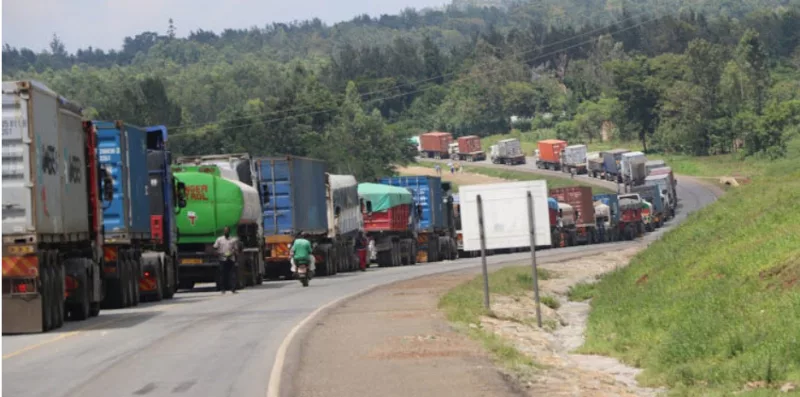
As of Tuesday, Kenya Long Distance Truck Drivers Union official Roman Waema said several Kenyan drivers had parked their trucks in Mambasa, Ituri Province, rather than risk proceeding into areas considered unsafe.
“Our drivers who are in Congo have been forced to park and wait, especially in an area called Mambasa. The situation is not good,” Waema said, “For those who are yet to make it across, they are been urged to avoid the country for now.”
The disruption threatens cargo flows from the Port of Mombasa to the landlocked DRC, which is the third-largest transit destination for cargo handled at the Kenyan port, accounting for 7.2 per cent of total transit volumes.
Uganda takes the largest share at 83.2 per cent, followed by South Sudan at 9.9 per cent, while Tanzania and Rwanda account for 3.2 per cent and 2.4 per cent respectively.
The 1,700-kilometre Northern Corridor linking Mombasa to Uganda, Rwanda, Burundi and eastern DRC is a critical artery for regional commerce, moving manufactured goods, food products, fuel and industrial inputs into landlocked markets.
Transporters warn that prolonged insecurity, combined with DRC's poor road network, is making the route increasingly expensive and unpredictable.
Kenya Long Distance Truck Drivers Association secretary-general Nicholas Mbugua said drivers could not determine how long a journey would take or whether they would safely return home.
“There are no roads in Congo but people are forced to go because goods still have to be delivered. The biggest challenge is you cannot plan or know how many days you will get there and return,” Mbugua said.
A truck stuck on the route costs a transporter at least $247 (about Sh31,951) a day. With up to 1,500 trucks previously stranded during peak periods, the losses can run into tens of millions of shillings daily.
The delays also expose cargo owners to additional costs, including demurrage, which averages about $70 (Sh10,885) per container per day after the free period expires.
According to the Kenya Transporters Association, poor roads and delays were causing losses to transporters, while the Shippers Council of Eastern Africa has called for urgent infrastructure improvements.
The crisis is not confined to DRC. Kenyan truckers are also reporting continued harassment, extortion and attacks in South Sudan, threatening another important market for goods shipped through Mombasa.
More than 60 cases involving assaults, extortion, flogging and other abuses have reportedly been recorded this year.
Drivers say they are forced to make illegal payments at roadblocks, ferry illegal; charcoal and pay for dead animals which are killed somewhere else and brought on the roads, while some have allegedly been attacked by security officers.
Foreign truck drivers reportedly lose about $500 (Sh64,680) in illegal payments along a 125-kilometre stretch between Aru Junction and Nesitu.
The drivers' association says at least 10 foreign truckers have been killed in South Sudan since 2021, with dozens suffering gunshot wounds or permanent injuries.
Repeated strikes over insecurity have previously disrupted supplies of food, fuel and other essential goods to South Sudan.
The growing insecurity threatens to push up transport costs, delay deliveries and discourage Kenyan and regional traders from using the Northern Corridor, while also affecting the EAC market.
Industry players say restoring security in DRC and South Sudan is therefore critical not only for protecting truck drivers and regional trade, but also for safeguarding Mombasa's position as a gateway to the wider East African market.