The move is expected to provide national teams, players and supporters with a more predictable international football calendar.
CONMEBOL’s regulations state that the Copa America is organized every four years, although the tournament has experienced several exceptions in recent years.
One of the most notable disruptions came in 2016, when the Copa America Centenario was held in the United States to celebrate the 100th anniversary of the competition.
The tournament was played only one year after the 2015 edition in Chile. Another unusual period followed when the 2020 Copa America was postponed to 2021 because of the COVID-19 pandemic.
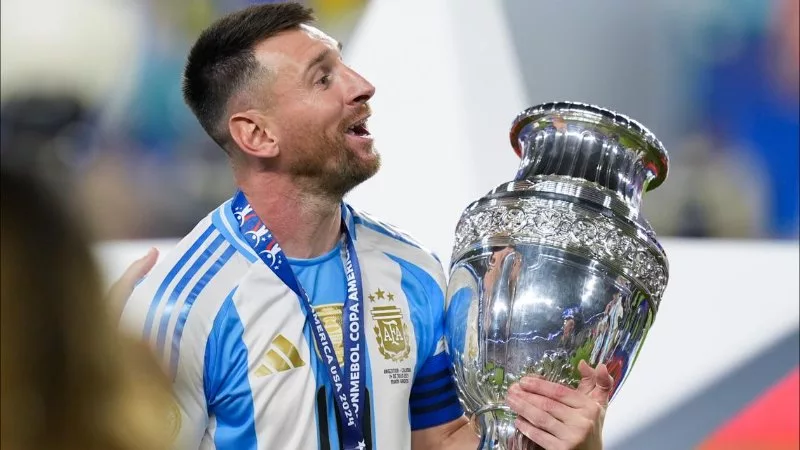
The 2024 edition then restored the competition to an even-year cycle, following the international calendar used by other major continental tournaments such as the UEFA European Championship.
The return to a four-year schedule means fans can now expect the Copa America to become a more consistent feature of the international football calendar.
The 2028 tournament is also expected to attract significant attention because of the continued involvement of teams from outside South America.
The 2024 Copa America featured 16 teams, including all 10 CONMEBOL member nations and six invited teams from CONCACAF.
The host nation for the 2028 tournament has yet to be officially confirmed.
The United States has been linked with the possibility of hosting the competition again, while South American countries could also be considered.
Reports have suggested discussions involving CONMEBOL and CONCACAF over the tournament’s future format and hosting arrangements.
The return to a four-year cycle could also increase the prestige of the competition.
Rather than having multiple editions within a short period, the longer gap gives teams more time to build new generations of players and gives the tournament a stronger sense of occasion.
Argentina will enter the next edition as the defending champions after winning the 2024 Copa America.
The victory gave Argentina another major international title and strengthened their position as one of the dominant forces in modern South American football.