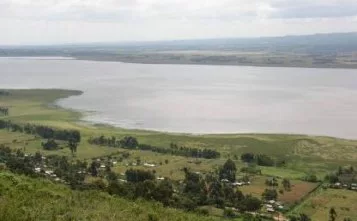
 Lake Ol’Bolossat /FILE
Nestled on the scenic Kinangop
Plateau in Nyandarua County, Lake
Ol'Bolossat is a haven for birds, wildlife and surrounding communities.
But Kenya's only natural freshwater lake is under growing pressure from human activity that threatens its future.
Poaching, illegal fishing, settlement encroachment, deforestation, water pollution and poor catchment management continue to degrade the fragile wetland.
Conservationists now hope that listing the lake as Kenya's seventh Ramsar Site will strengthen efforts to protect the ecosystem for future generations.
A Ramsar Site is a wetland recognised as internationally important under the Ramsar Convention, a global treaty established in 1971 to promote the conservation and sustainable use of wetlands.
To
advance the process, the East Africa Wildlife Society (EAWS), in partnership with the National Environment Management
Authority and the Nyandarua county,
convened a two-day stakeholders' workshop in Ol Kalou.
The meeting brought together representatives from national and county governments, research institutions, conservation organisations, community groups and local residents.
Participants reviewed progress made in implementing the Lake Ol'Bolossat integrated management plan, identified conservation gaps and agreed on priority actions to better safeguard the lake.
They also validated the Ramsar Information Sheet, a key document that captures the lake's ecological, hydrological and biodiversity values and forms part of the application for international recognition.
According to EAWS, the validation strengthens the technical case for Lake Ol'Bolossat to be designated a Wetland of International Importance.
The initiative is part of the project ‘Unlocking Biodiversity Data to Facilitate the Designation of Lake Ol'Bolossat as Kenya's Seventh Ramsar Site’, implemented by EAWS in collaboration with the Wangari Maathai Institute for Peace and Environmental Studies at the University of Nairobi and the Wildlife Research and Training Institute, with support from the JRS Biodiversity Foundation.
Beyond its rich biodiversity, Lake Ol'Bolossat supports local livelihoods and provides an important habitat for cranes and many other bird and wildlife species.
Wetlands also play a critical role in sustaining life. They provide freshwater, reduce flooding, recharge groundwater, support fisheries and agriculture, store carbon and help cushion communities against the effects of climate change.
Kenya
currently has six Ramsar Sites: Lake Nakuru, Lake Naivasha, Lake Bogoria, Lake
Baringo, Lake Elementaita and the Tana River Delta.
If Lake Ol'Bolossat earns the coveted designation, conservationists believe it will attract stronger protection, international cooperation and greater public awareness, giving one of Kenya's most important freshwater ecosystems a better chance of surviving the growing environmental pressures it faces.