Songwriter Bienhas shared his admiration for Kenya’s vernacular music industry, saying many local language artistes have built sustainable businesses by focusing on their audiences instead of chasing online popularity.
Speaking during an interview on Let The Cake Bake, Bien compared music business models across East Africa, explaining that different markets have developed unique ways of supporting their artistes.
He pointed to Uganda as one example, saying musicians there have created a system that keeps fans engaged through frequent performances and local tours.
Uganda’s music model
Read Also
According to Bien, Uganda’s music industry largely revolves around its domestic audience.
“When I go around East Africa, I see that Uganda has a very unique business model. An artiste gets a big song, does a finale tour, then gets another hit and does another tour. It works for them.”
He noted that Ugandan audiences strongly support their own sound, even if it does not change significantly over time.
“Uganda’s music is big to Uganda. You have to be in Uganda to realise what they live in. They love it there. If you want to be part of that market, you have to be in their system.”
Uganda’s music industry has produced stars such as Jose Chameleone, Bebe Cool and Eddy Kenzo, many of whom built strong careers through consistent local performances before expanding internationally.
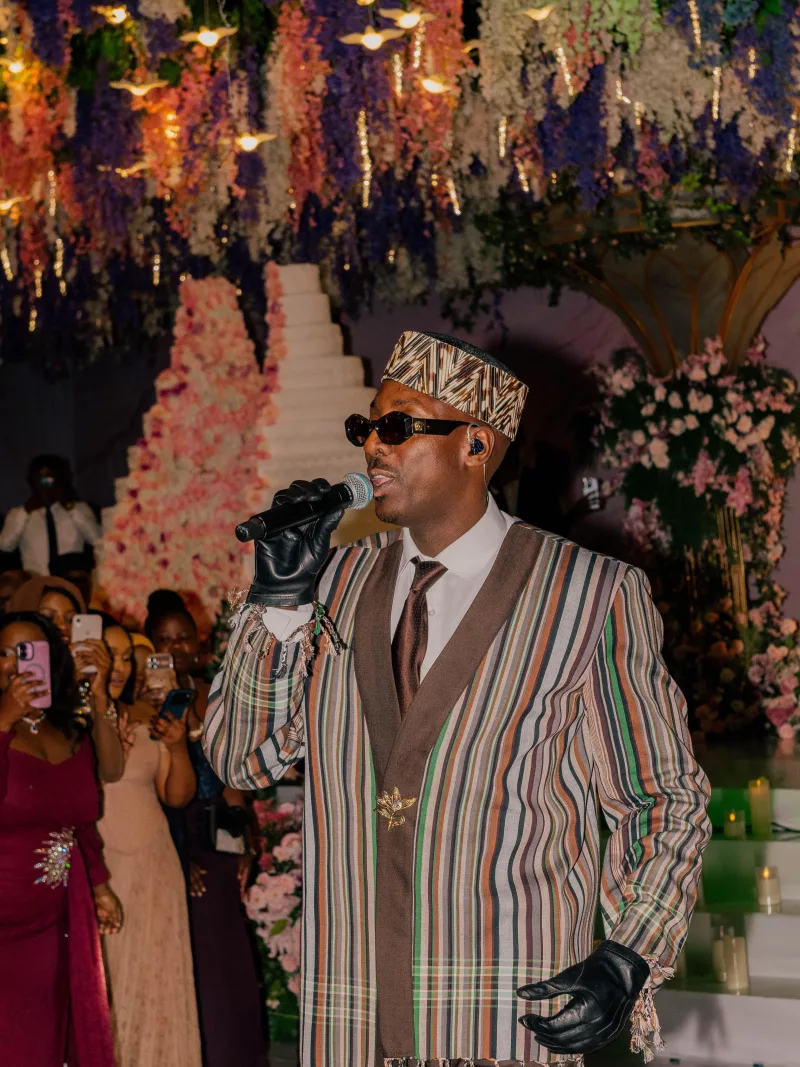
Vernacular artistes have built strong businesses.
Bien said Kenya’s vernacular music scene follows a similar audience-first approach.
He singled out Samidoh and Ken Wa Maria as examples of artistes who consistently release music while maintaining loyal fan bases.
“Let me just say the vernacular music structure. Ken Wa Maria will release two or three albums a year. His style doesn’t really change, and his songs are written simply.”
He argued that these musicians understand their market better than many urban artistes.
Vernacular performers regularly organise road tours across different towns, perform during market days and appear at political rallies and community events, allowing them to earn consistently throughout the year.
‘Urban musicians have it wrong’
The singer also questioned the priorities of many mainstream artistes.
“Urban artists are busy chasing EABL for sponsorship. EABL does real business with vernacular artists.”
He said the experience changed how he views the music business.
“I understood then that we have it all wrong as urban musicians if we’re not reaching our customers directly like that.”

Bienexplained that vernacular musicians maximise several income streams, including live shows, road tours and Skiza Tunes, Safaricom’s caller ring-back service that has for years generated royalties for Kenyan musicians based on subscriber downloads.
“You’re too bougie for a Skiza Tune, but people in the villages are the majority, and they are using Skiza.”
Bien added that he had heard some vernacular artistes earn millions of shillings every month through the service, while Tanzanian gospel singer Rose Muhando was once reported to have made substantial income from ringtone sales during the peak of her career.
Success beyond online numbers
The award-winning musician concluded that commercial success is not always reflected by YouTube views or social media trends.
“Vernacular artists taught me that you can be off the grid and still be making money. You don’t have to be number one on YouTube or anywhere else.”