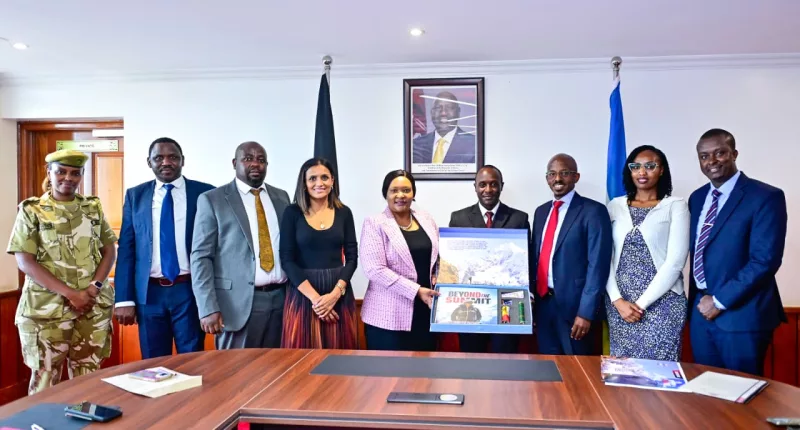
Kenya and 10 other African countries are developing a regional framework that could allow them to jointly procure emergency medical supplies during disease outbreaks.
The move is aimed at lowering costs and speeding up access to critical equipment and reducing reliance on overseas suppliers during pandemics.
The proposed arrangement is contained in a Memorandum of Understanding (MoU) on cross-border cooperation for public health emergencies that is expected to be signed by 11 participating countries after undergoing legal review.
The framework brings together Kenya, Angola, Burundi, the Central African Republic, the Republic of Congo, the Democratic Republic of Congo, Ethiopia, Malawi, Rwanda, South Sudan, Tanzania, Uganda and Zambia to strengthen coordinated responses to health crises.
Beyond improving disease surveillance and data sharing, the agreement is expected to establish mechanisms for pooled resource mobilisation and coordinated procurement of medicines, laboratory supplies and other emergency medical equipment whenever outbreaks overwhelm individual countries.
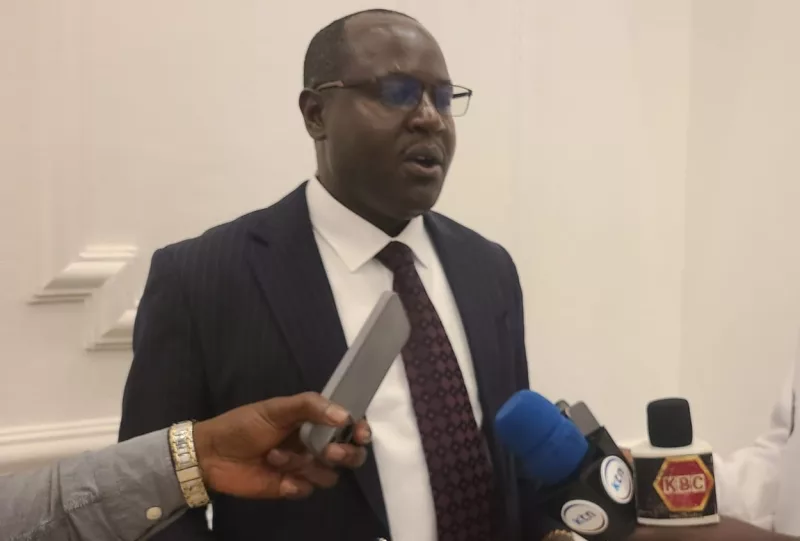
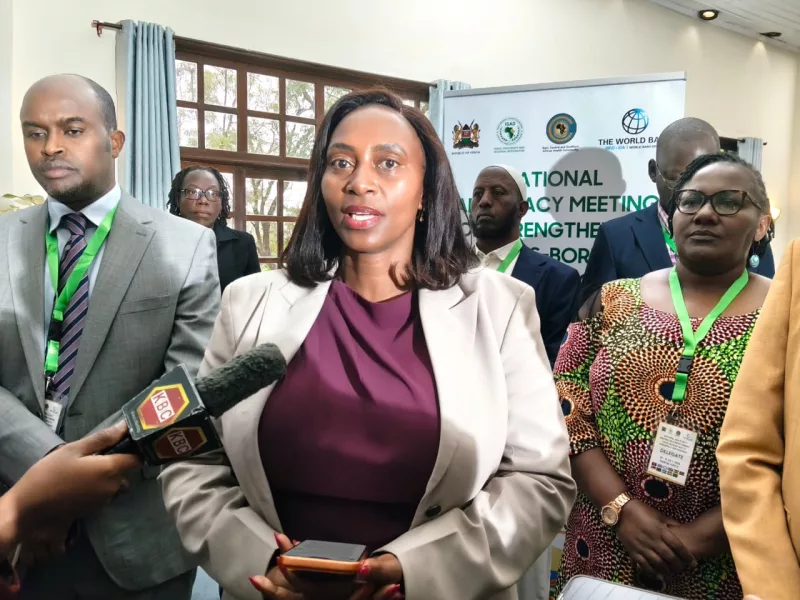
Principal Secretary for Public Health and Professional Standards Mary Muthoni said the proposal was informed by lessons from the COVID-19 pandemic, when many African countries struggled to secure vaccines, medicines and protective equipment despite having the financial resources.
"If one of the countries has an outbreak and can access medication, while another country is facing challenges, then that is something we really want to standardise through resource mobilisation, including procurement, because it is easier, faster and more consolidated," she said.
She added that joint procurement would also deliver economies of scale.
"It is always good, it is even cheaper. If you buy things in bulk, it gets really cheaper, and also for quality and standards," she said, noting that a unified procurement system for future epidemics is the direction the participating countries intend to pursue.
It is among the latest push by African governments to strengthen health sovereignty by reducing dependence on global supply chains that proved unreliable during COVID-19, when export restrictions left many developing countries waiting for essential medical commodities.
Muthoni said Africa should use the collaboration to strengthen regional manufacturing capacity so the continent is better prepared for future health emergencies.
"It is high time Africa stood on its feet. It is high time we advocated for manufacturing so that we are able to stand on our feet whenever there is any calamity or outbreak," she said.
The proposed MoU also seeks to harmonise health measures at border points, establish joint surveillance systems, facilitate real-time data sharing, strengthen laboratory collaboration and coordinate emergency preparedness while minimising disruptions to trade and travel during outbreaks.
It proposes joint steering and monitoring committees comprising officials from health, immigration, finance, foreign affairs, security agencies and public health institutions to oversee implementation.
Health officials say stronger regional coordination has become increasingly important as countries continue monitoring diseases such as Ebola and Mpox, whose spread is often accelerated by cross-border movement.
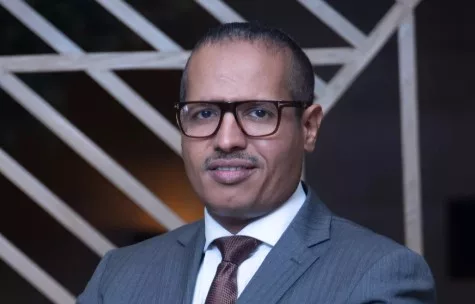
Senior Medical Epidemiologist at the Intergovernmental Authority on Development (IGAD) Waqo Gufu said the agreement would enable countries to exchange critical health information more quickly and coordinate responses before outbreaks spread across borders.
"This MoU is going to enhance data sharing among the countries, strengthen cross-border surveillance and enhance preparedness and response capacities for emerging epidemics such as Mpox, Ebola and other potential outbreaks in the region," he said.
Africa Centres for Disease Control and Prevention (Africa CDC) said it would provide technical support, capacity building, resource mobilisation and monitoring once the agreement is adopted.
The framework is expected to be presented during the World Health Organization Regional Committee meeting in August before participating countries move to formalise and operationalise the agreement.
It will initially run for five years, subject to renewal after review by member states.