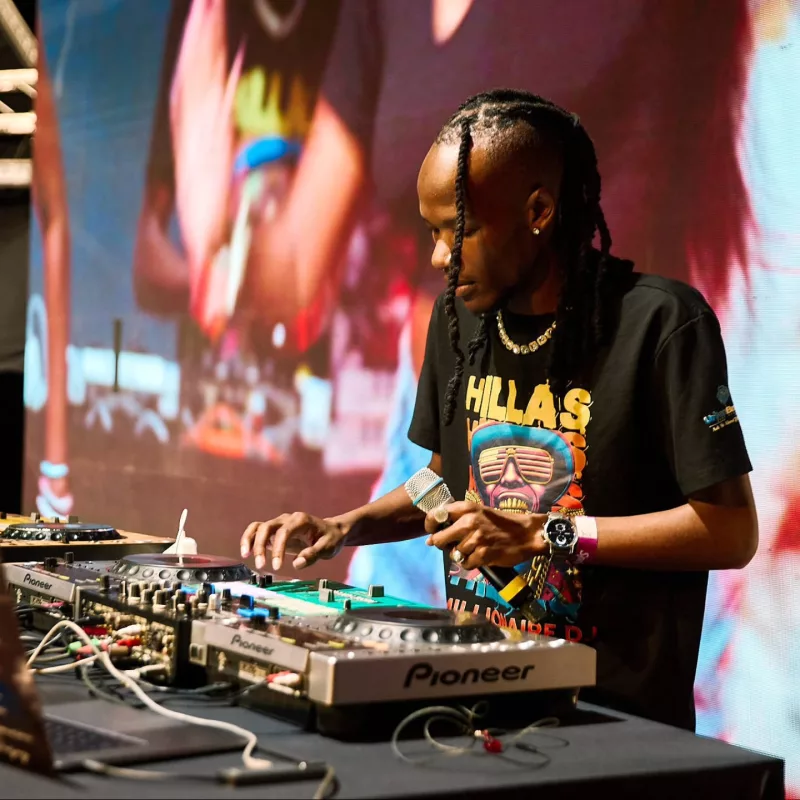
For many revellers, a DJ’s job appears glamorous. They see packed clubs, energetic crowds and carefully curated social media posts showing sold-out events and luxury lifestyles.
But KenyanDJ Hillas Hillarysays the reality behind the decks is far more demanding than most people realise.
Speaking candidly about his profession, the entertainer said being a DJ comes with financial uncertainty, long working hours and constant pressure to perform, despite the image many people associate with the career.
‘Being a DJ is harder than it looks’
Read Also
According to Hillas, one of the biggest misconceptions is that DJs earn consistently throughout the year.
He revealed that there are periods when bookings dry up completely, leaving many DJs without a stable income for months.
“Being a DJ is harder than it looks. We can go three to six months without income, especially during seasons when there are no bookings.”
He added that even when work is available, payments are often delayed.
Corporate events, he explained, may take between three and six months to settle invoices, while payments from club gigs can also take weeks to arrive.
The irregular cash flow makes financial planning difficult for many entertainers who rely solely on DJing.
A career built around sleepless nights
Hillasalso highlighted the impact the profession has on a DJ’s health and personal life.
Most performances take place at night, so DJs spend their days sleeping or travelling rather than maintaining a conventional routine.
“We work at night and sleep during the day. Our sleep health is affected, and our personal relationships are affected because we don’t have time to bond or make new friends.”
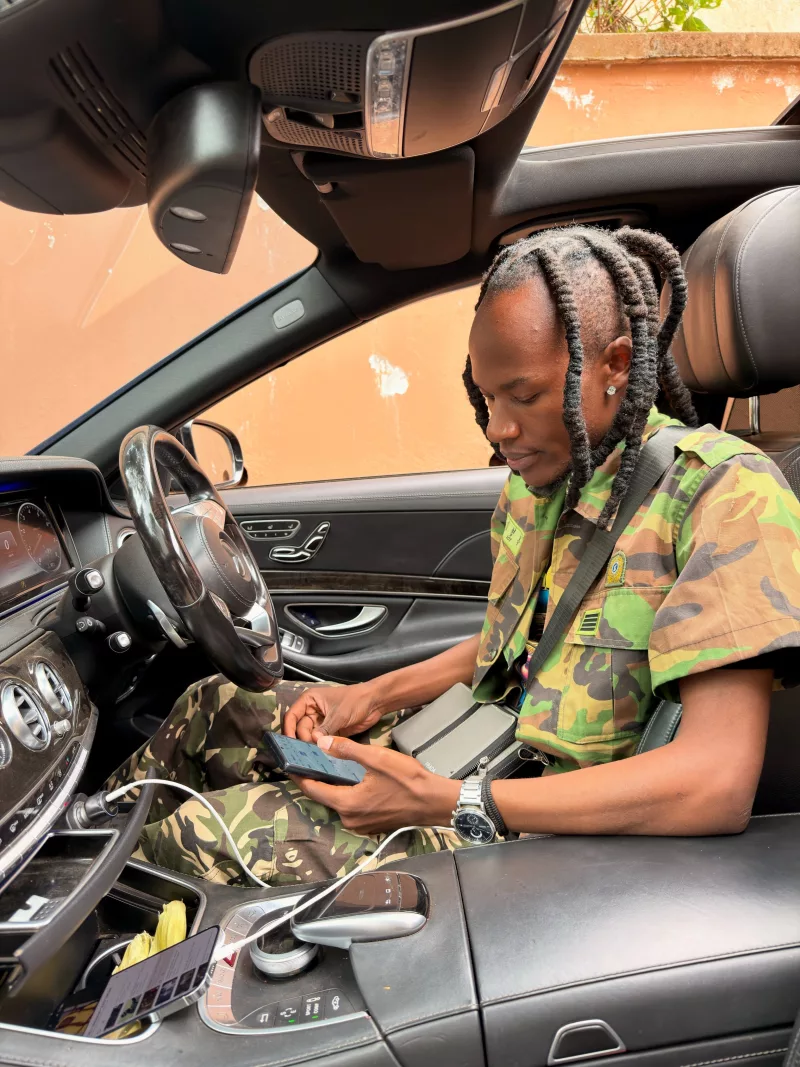
He said constant travel between cities, long hours on the road and frequent airport transfers leave little room for proper rest before the next performance.
The pressure never stops.
Beyond playing music, Hillas said DJs carry enormous responsibility every time they step behind the decks.
Reading a crowd, maintaining energy and delivering the right songs at the right moment all happen in real time.
A single poor performance, he noted, can easily affect future bookings.
“A DJ is not allowed to have a bad day in the office. One bad set can affect a lot of bookings.”
He added that the mental demands are equally challenging, with many DJs constantly comparing themselves to others while dealing with rejection and uncertainty over where the next booking will come from.
More than just playing music
Hillassaid many people only witness the one to three hours DJs spend entertaining audiences, without appreciating everything that happens behind the scenes.
Professional DJs often invest heavily in equipment, including controllers, mixers, laptops, speakers and music software, all of which require regular maintenance and upgrades.
Beyond performing, they also manage their own brands by handling bookings, promoting themselves online, editing music, networking with clients and, in some cases, acting as MCs and sound technicians.
“As a DJ, you are the social media manager, booking agent, MC and sound guy. People only see the one to three hours at the club, not the years of practising, networking, making edits and building your brand.”