Leaders in Kenya’s public transport sector have apologised for the nationwide matatu strike that paralysed transport services across the country for two days.
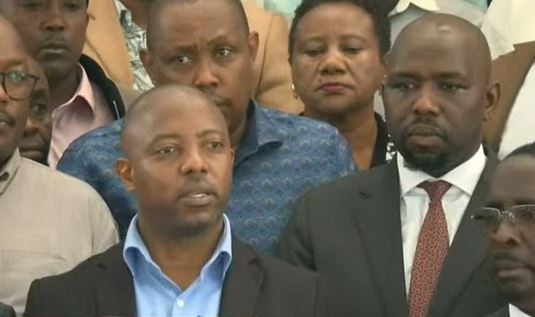
The regret was expressed on Tuesday during a joint press briefing involving transport stakeholders and officials from the Interior and Energy ministries following high-level consultations.
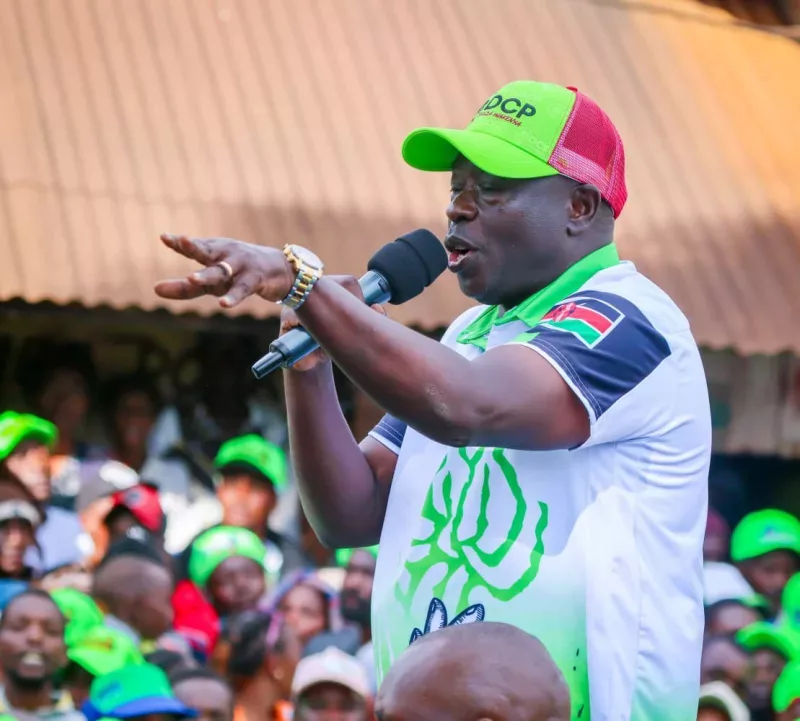
Federation of Public Transport Sector chairman Edwin Mukabana apologised to Kenyans who were inconvenienced by the strike, describing the industrial action as unavoidable under the prevailing economic conditions.
“We have had serious consultations since yesterday, and today we have had a breakthrough, not because we are satisfied, but we want to give negotiations a chance,” Mukabana said.
He noted that the transport sector leadership had agreed to suspend the demonstrations to allow room for dialogue, but warned that the strike could resume if the concerns raised by operators were not addressed within the agreed timeline.
“We are waiting for negotiations at a high level, but we would like Kenyans to understand that if this is not taken seriously within the seven days, the strike will be back,” he warned.
The nationwide strike entered its second day on Tuesday, paralysing transport services in Nairobi and several major towns across the country. Public transport operators, including matatus, buses and many boda boda riders, largely stayed off the roads in protest against high fuel prices, increased taxation on petroleum products and rising operational expenses.
Major roads across Nairobi, including sections of the Thika Superhighway, recorded minimal public transport movement throughout the day, leaving thousands of commuters stranded. Many Kenyans were forced to walk long distances to work and school after failing to secure alternative transport.
The few boda boda operators who continued operating reportedly hiked fares sharply due to increased demand. Businesses also suffered losses due to delayed deliveries and reduced customer movement, while some schools cancelled activities because learners and staff could not travel conveniently.
Transport operators have accused the government of failing to address the increasing cost of fuel and other levies that have significantly affected profitability in the sector. They are demanding the reduction of fuel prices, removal of some taxes and urgent intervention from Parliament to cushion both operators and ordinary citizens from the soaring cost of living.
Federation of Public Transport Sector Chief Executive Officer Kushian Muchiri said the sector leaders were encouraged by the government’s willingness to engage them in discussions.
“We are glad our demands have been well noted by the government,” said Muchiri, who is also the national chairman of Association of Matatu Owners.
“We urge all members and drivers to resume operations immediately so that Kenyans can continue with normal life and the running of their businesses,” he added.
Muchiri also expressed optimism that meaningful solutions would be reached within the next seven days.
“We assure Kenyans that within the next seven days we will find good solutions,” he said.
Meanwhile, Matatu Owners Association President Albert Karagacha directed transport operators to immediately resume work and pledged cooperation with the government in addressing the sector’s challenges.
Karagacha thanked the government for opening dialogue channels and promised closer collaboration between authorities and transport stakeholders.
“There are many issues that need to be addressed, including insurance, corruption and others,” Karagacha said.
“We want to see the transport sector grow,” he added.
The suspension of the strike is expected to restore normal transport operations across the country beginning Wednesday morning, offering relief to thousands of commuters and businesses affected by the disruption.