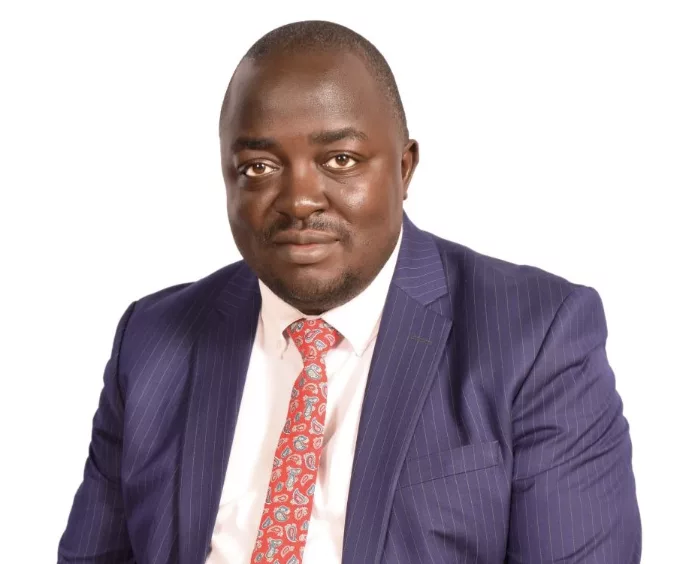
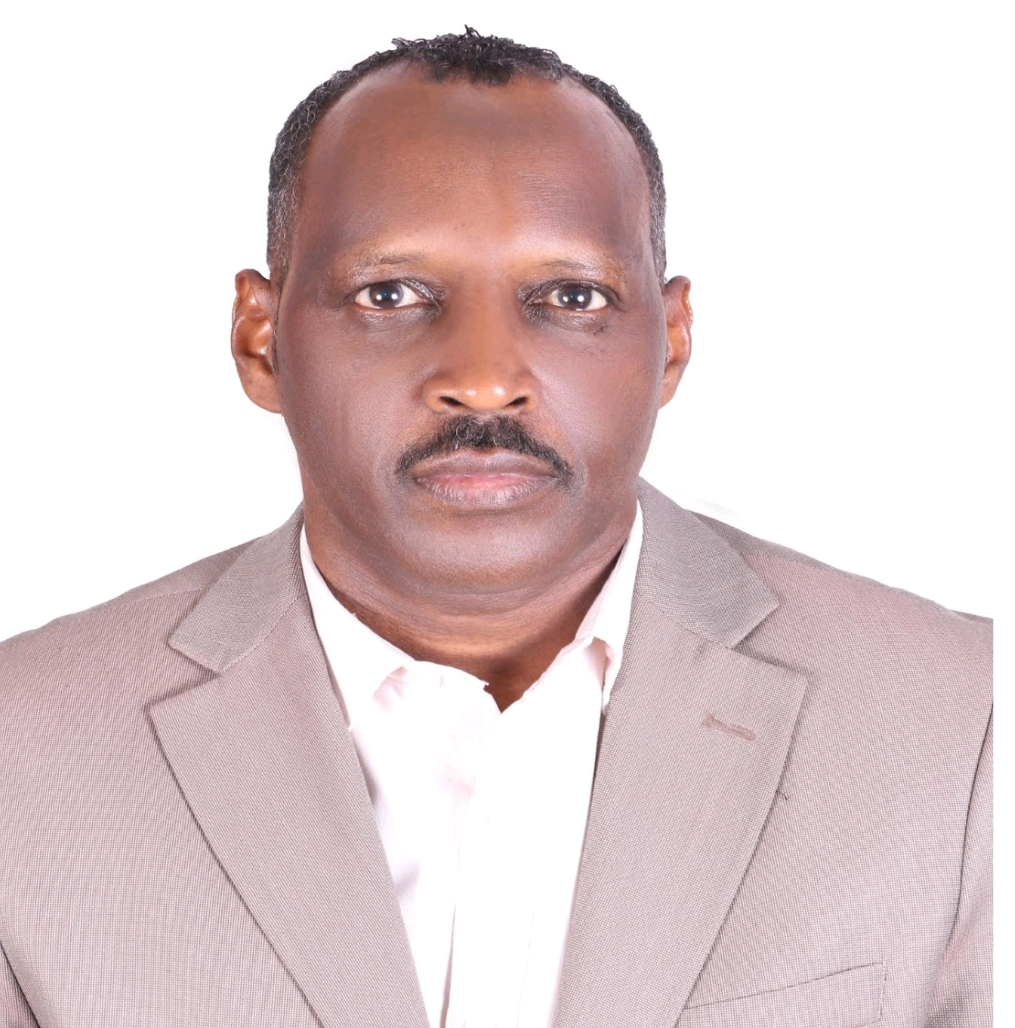
 Hon.Salah Maalim Alio, Horn of Africa Governance , Peace and Security Management Specialist and CEO of Sambul Consulting./HANDOUT
For the first time since the collapse of the government of Siad Barre in 1991, Somalia has witnessed a genuine attempt at universal suffrage through a one man one vote election process in Southwest State.
What many once dismissed as politically impossible, insecure and premature has now become a historic reality in the city of Baidoa and across 13 districts of the Southwest State. The successful conduct of the May 10, 2026 elections marks more than a regional political event. It represents the rebirth of democratic confidence in Somalia and the beginning of a transition away from decades of indirect clan-based electoral arrangements that, while necessary during fragile times, limited the direct voice of ordinary citizens.
The National Independent Electoral and Boundaries Commission deserves recognition for overseeing a peaceful, organized and credible electoral exercise under extremely challenging circumstances. Conducting elections in Somalia is not merely a logistical undertaking; it is a test of institutional courage, public trust and national resilience. The commission demonstrated that Somali-led democratic processes can succeed when backed by political will and community cooperation.
Equally deserving of praise are the people of the South West State — the proud communities of Bay, Bakool and Lower Shabelle — who accepted to lead the pack in Somalia’s democratic transition. At a time when skepticism, political tensions and security concerns dominated national discourse, the residents of Kofur Galbeed chose participation over fear and ballots over political paralysis. Their decision to embrace one person one vote has now turned Southwest State into the litmus paper of Somalia’s democratic future.
The reported voter turnout and the orderly participation of political organizations illustrate a growing public appetite for accountable governance and direct political representation. Regardless of political affiliation, Somalis across the country must appreciate the significance of citizens standing in line to vote directly for their representatives after more than three decades without such an opportunity.
The outcome, which saw the Justice and Unity Party (JSP) secure a parliamentary majority, will naturally generate political debate. That is the nature of democracy. Opposition voices have raised concerns about the management of the process and whether the outcome was predetermined. Such concerns should not be dismissed outright, because strong democracies are built through scrutiny, transparency and constructive criticism. However, criticism alone must not overshadow the monumental achievement that has been realized.
No democratic system emerges perfect in its first major test. What matters is the establishment of a credible foundation upon which future reforms, improvements and national consensus can be built. The anticipated presidential election scheduled for May 23, 2026, is now expected to attract significant national and international attention, particularly with the strong showing of the JSP Party led by Adan Mohamed Nur Madobe, a seasoned statesman and one of the founding figures associated with the Rahweyn Resistance Army that emerged during Somalia’s state collapse to protect communities in Bay and Bakool regions.
Yet beyond personalities and party victories, the larger story remains Somalia’s democratic awakening.
The international community must now step forward and support this transition in a practical and visible manner. The United Nations, World Bank, African Union, Intergovernmental Authority on Development and other international partners should deploy election observers, technical experts and institutional support teams to help strengthen electoral credibility and democratic governance structures.
Somalia’s democratic progress cannot succeed in isolation. It requires sustained investment in electoral systems, civic education, parliamentary institutions, judicial independence and local governance frameworks.
Special recognition must also be accorded to Baidoa, the regional headquarters of Southwest State, which has increasingly emerged as a strategic center for governance, reconciliation and democratic transition in Somalia.
International agencies should consider expanding institutional support to the South West Regional Assembly and Presidency through governance programs, infrastructure investments and capacity-building partnerships. If Somalia is to stabilize and eventually prosper, democratic success stories such as Baidoa must be nurtured, protected and replicated.
For decades, Somalia has often appeared in global headlines associated with conflict, terrorism, famine and political instability. The elections in Southwest State now offer the world a different image: Somali citizens participating peacefully in shaping their political future through the ballot box.
That image matters. It sends a powerful message to young Somalis that democracy is possible. It reassures regional neighbors that Somalia’s state-building project is advancing.
Most importantly, it reminds the Somali people themselves that national recovery is achievable when courage, leadership and public participation converge. Kofur Galbeed has set the pace. The rest of Somalia — and indeed the world — should take notice.
The writer is a Governance, Peace and Security Management Specialist-Horn of Africa.