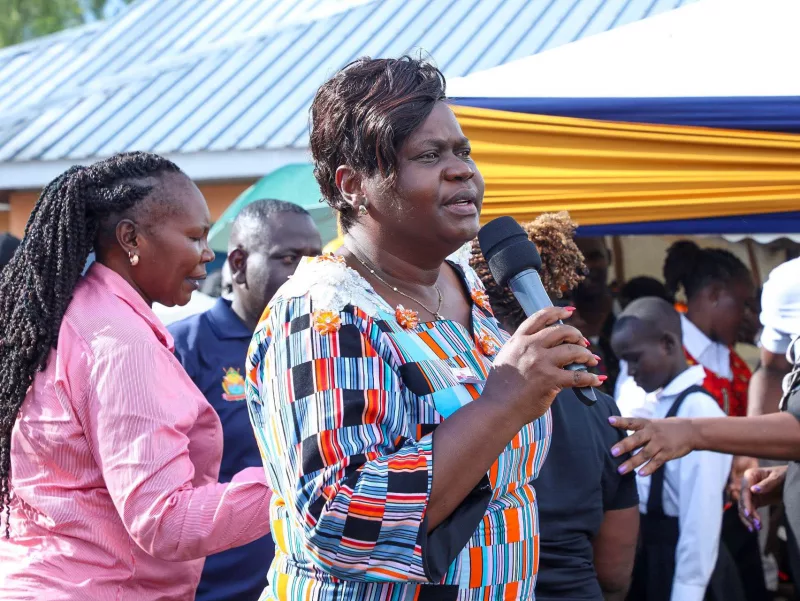
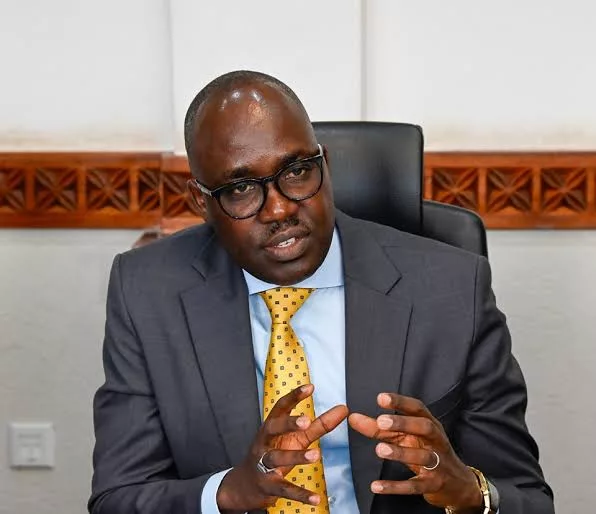
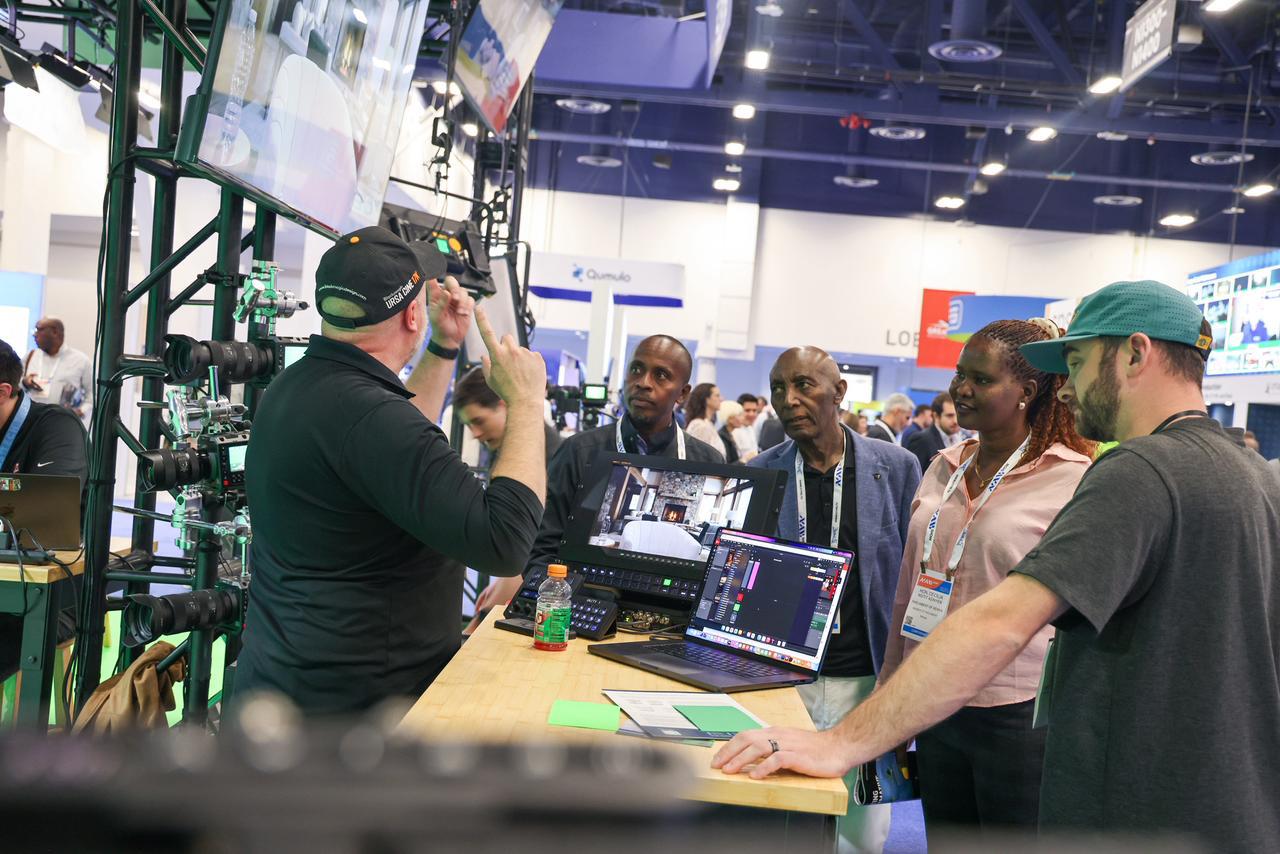
 Dagoretti South MP and Chairperson of the Committee on Communication,
Information and Innovation John Kiarie, Limuru MP John Kiragu, Turkana Woman
Representative Cecilia Ngetich, Wajir South MP Mohammed Adow, alongside
officials from the State Department for
Broadcasting and Telecommunications during a benchmarking visit to the NAB Show
2026 in Las Vegas, United States, on April 27, 2026. /HANDOUT
Dagoretti South MP and Chairperson of the Committee on Communication,
Information and Innovation John Kiarie, Limuru MP John Kiragu, Turkana Woman
Representative Cecilia Ngetich, Wajir South MP Mohammed Adow, alongside
officials from the State Department for
Broadcasting and Telecommunications during a benchmarking visit to the NAB Show
2026 in Las Vegas, United States, on April 27, 2026. /HANDOUTThe National Assembly is seeking to adopt emerging technologies, including artificial intelligence and cloud-based systems, to improve its broadcasting infrastructure and modernise live coverage of House proceedings.
The move follows a benchmarking trip by a joint delegation of MPs, regulators and officials from the State Department for Broadcasting and Telecommunications to the NAB Show 2026 in Las Vegas, Nevada, where they studied global trends in digital broadcasting, newsroom technology and AI-driven media systems.
In a statement on Monday, lawmakers said lessons from the global media and technology forum would also guide Parliament’s review of Kenya’s media laws and regulatory frameworks to align them with fast-changing digital platforms.
The delegation was led by Dagoretti South MP and Chairperson of the Committee on Communication, Information and Innovation, John Kiarie.
It also included Limuru MP John Kiragu, Turkana Woman Representative Cecilia Ngetich, Wajir South MP Mohammed Adow, and officials from the Media Council of Kenya and the State Department for Broadcasting and Telecommunications.
“Parliament has the potential for real-time dissemination of quality information, particularly through live broadcasts of Committee sittings,” Kiarie said.
He said the visit focused on identifying technologies that can strengthen the Parliamentary Broadcasting Unit and improve how citizens access House proceedings.
The team held meetings with global technology firms including Adobe, AWS, Microsoft, NVIDIA, Google Cloud, Evertz, BlackBox, Qumulo, G-Drive and Canon Enterprises to explore possible upgrades in production, post-production, distribution and newsroom workflows.
Lawmakers said AI is now fully embedded in media operations, shifting from experimental use to measurable impact through workflow automation, content management and new revenue models.
“Existing legislation must be updated for digital platforms that can support broad dissemination of Parliamentary content,” Adow said.
He said Kenya’s legal and policy framework must respond to the realities of digital broadcasting, platform governance and content ownership in an increasingly technology-driven media environment.
Ngetich said Parliament must embrace secure digital infrastructure to improve both efficiency and information management.
“Digital broadcasting and cloud-based infrastructure are the path toward secure, firewall-protected systems for parliamentary work,” she said.
She described the shift as a major step towards innovative handling of parliamentary data and communication systems.
Kiragu said the delegation also explored best practices in media regulation, audience engagement and newsroom transformation as part of broader reforms expected in Kenya’s media space.
Media Council of Kenya CEO David Omwoyo, who was part of the delegation, said artificial intelligence is already reshaping newsroom economics and media partnerships globally.
“AI is no longer a future-facing concept,” Omwoyo said.
“The world has to start examining how capital, partnerships and platform fragmentation are reshaping the market.”
The delegation said improved coordination between Parliament, the Media Council of Kenya and the State Department for Broadcasting and Telecommunications will be critical in advancing legislative reforms and strengthening Kenya’s digital media ecosystem.
 NAB Show 2026 in Las Vegas, United States, on April 27, 2026. /HANDOUT