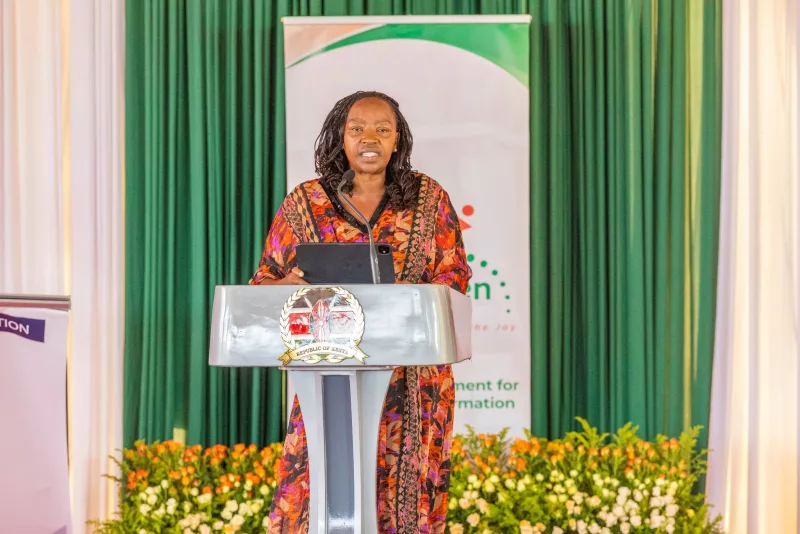
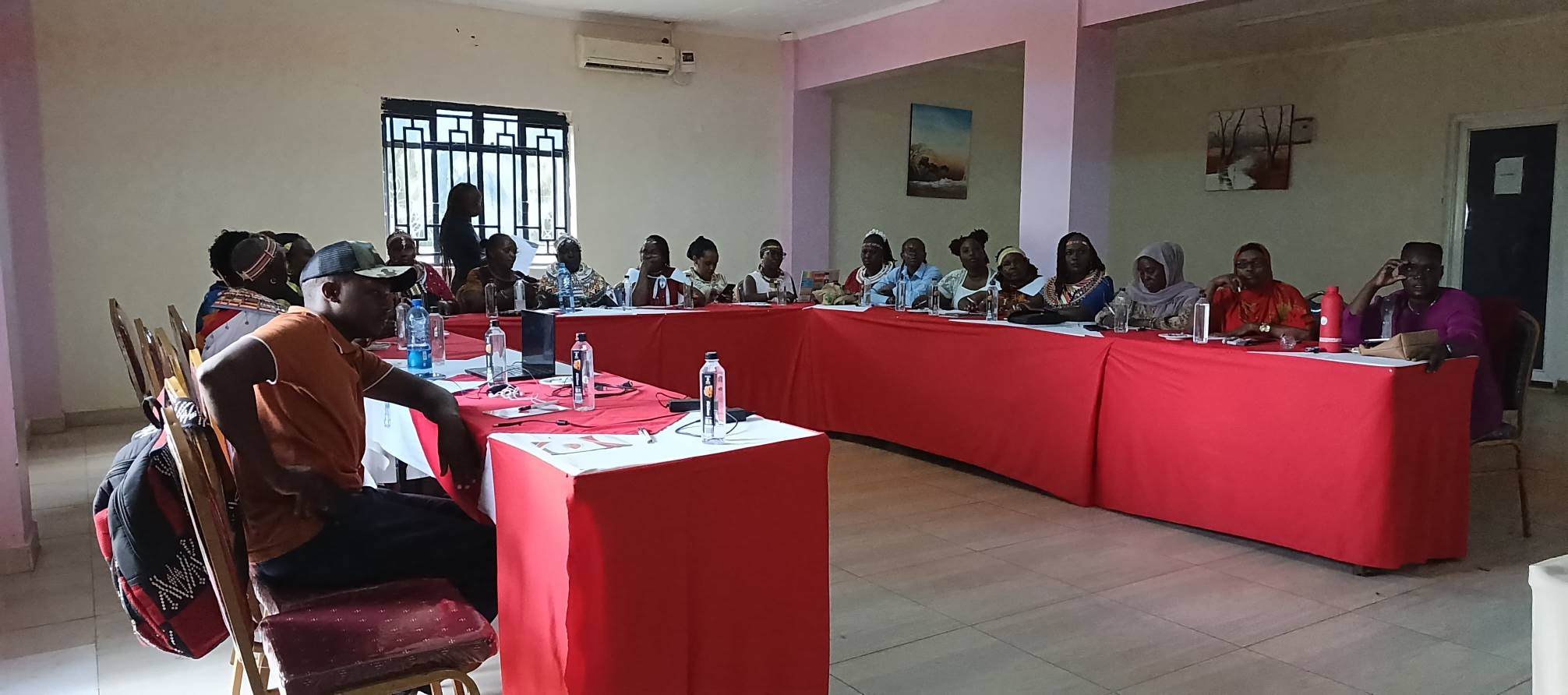
They said the political playing field remains heavily skewed against them, particularly in Northern and Northeastern regions where patriarchal norms and informal power structures dominate electoral processes. They spoke in Isiolo during a capacity-building forum.
They warned that entrenched cultural practices and economic disadvantages are undermining efforts to realise the constitutional two-thirds gender rule.
The forum, which brought together women aspirants from several counties, focused on media and communication training to help candidates amplify their voices ahead of upcoming elections.
But participants said skills alone are not enough to overcome deeply rooted obstacles that continue to limit their participation.
They particularly criticised negotiated democracy, a system where community elders, who are predominantly men, determine preferred candidates before elections.
While often promoted as a way to maintain peace and cohesion among the clan-based communities, the women argued the practice effectively sidelines female aspirants.
Indigenous Women Council chairperson Grace Lolim, who is vying for the Isiolo Woman Representative seat, said the system reinforces exclusion by concentrating decision-making power in male-dominated structures.
“It is men who meet and scrutinise aspirants—their family, clan and background. And because the elders are men, they tend to favour fellow men,” she said.
“Some still believe women cannot lead and this mindset continues to block capable women from contesting.”
Beyond cultural barriers, lack of financial resources emerged as a major constraint.
Rose Orguba, an aspirant for the Laisamis ward in Marsabit county, said women often lack the financial backing needed to run competitive campaigns.
“In politics, you cannot do anything without money—you cannot travel, organise meetings or reach voters. These resources are largely controlled by men. That is why we are appealing to partners and funders to support women candidates financially,” she said.
The issue is further compounded by social perceptions that discourage women, especially those from marginalised groups from seeking elective office.
Florence Ntisai, who is contesting for the Samburu Woman Representative seat, said women with disabilities face an additional layer of bias.
“There is a belief that women like us are only suited for nomination or appointment positions. In my case, people questioned why I would vie when I could be nominated because of my disability. But I have the capacity to compete like anyone else,” she said.
Ntisai, who was born with phocomelia—a condition that results in underdeveloped limbs—said such attitudes not only undermine confidence but also reinforce a broader culture of exclusion.
Across pastoralist regions, these overlapping barriers—cultural, economic and social—have translated into persistently low representation of women in elective positions.
Participants at the Isiolo forum organised by DiploBrief Media warned that unless deliberate measures are taken to level the playing field, the gender rule will remain largely unattainable.
They called for increased civic education, financial support mechanisms for women candidates, and reforms to curb exclusionary practices such as negotiated democracy.
They also emphasised the need for broader societal change, including challenging patriarchal norms and encouraging communities to embrace women’s leadership.
“The conversation must go beyond empowerment workshops. We need structural change that allows women to compete fairly and be judged on their ability, not their gender,” Zam Zam Hussein, who is vying for MCA in Laikipia, said.