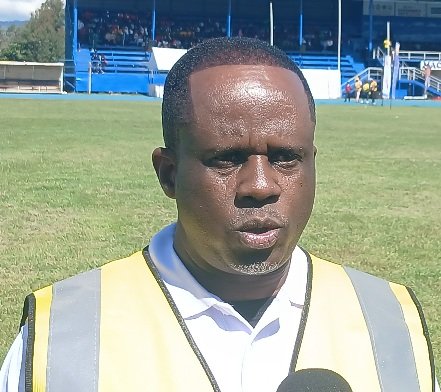
The teachers said most parents still believe in myths and misconceptions surrounding their children’s disabilities.
The teachers retaliated the high rates of neglect and discrimination of such children not only by their biological parents but some communities and society in general.
This, they said had made some parents and guardians hide children living with disabilities under their care thereby denying them their fundamental rights as provided for by the Constitution of Kenya 2010.
“Most parents are living in denial. They don’t want to accept that their children have disabilities and there is nothing that can be done to change the situation,” Josephine Mweu said.
Mweu, a teacher at the Machakos Unit for the Mentally Handicapped said such parents have made it difficult for them (teachers) to handle children under their care.
“So, if you tell them that the child has disabilities and there is nothing we can do about it, they give you excuses including claims that their children were bewitched. One recently told me that the child wasn’t hers. That, she was exchanged at the maternity ward after delivery,” Mweu said.
She addressed reporters in Machakos county on Friday.
The teachers said they face lots of challenges while handling mentally handicapped children.
“Parents want you to change their children’s abilities. That, you give him/her a child who is able. Who can do everything which isn’t possible. Our roles as teachers are to educate such children, we can’t change their disabilities. That’s God’s creation,” Mweu said.
Mweu said most disabled children lack parental love hence traumatized.
She said such children don’t have clothes, their siblings without disabilities are more loved, get bought for new cloths while they wear rugs.
“They are also the last to be taken to school at ages 9 and above since they have been rendered useless by most families in the society, while those without disabilities are admitted at the age of 6 years,” Mweu said.
She said it was a challenge to handle the mentally challenged children because some parents insist that they are taken through the normal education syllabus while in real sense, some can only be taught daily living skills like bathing, eating, and wearing clothes.
Mweu said for some parents, that is not work. They want to see their children being taught how to add one plus one, writing their names and talking.
She also noted that some parents are used to charity hence fail to provide necessary support for their children. They want teachers to donate everything to their children including buying school uniforms, books, and food.
The teacher said they counsel parents of such children for a mind-set change.
“We counsel parents until they accept that their children live with permanent disabilities,” Mweu said.
The teachers said they equally have challenges as special units in schools. All special units in Kenya were not allocated capitation funds.
Dr. Patricio Njeru, Rotary Club District Governor nominee of the District 9216, called for collaborative efforts in supporting all children including those living with disabilities in the country.
Njeru discouraged parents and guardians of children with special needs from hiding them.
“We need to celebrate children who are differently abled. We call upon the government, private sector and the society at large – let’s be sensitive that these are the people we have around us and we need to take care of them,” Njeru said.
Rotary Club last month held the Eastern Region Sunshine Rally in Machakos County.
The Sunshine Rally is a long-standing Rotary initiative in Kenya dedicated to celebrating and supporting children living with disabilities. Each year, the rallies bring together children, their families, educators, community leaders, civil society organizations, Rotarians and rotaractors for a day of joy, advocacy and community engagement.
The event hosted more than 700 children living with disabilities from 13 schools in Kajiado, Machakos and Makueni counties. The schools collectively support over 1,700 children.
Njeru lauded the government for putting in place disabilities friendly laws and policies.
“As a result of the policies, buildings now have rams, schools are integrated and various needs of such children have been provided by not only the state but other actors,” he said.
“Don’t hide your children at home, bring them to such centres so that we see what they are able to do for their lives,” Njeru said.
He said some of the disabled children are good at crafts.
He said they had so far reached about 5,000 children in 47 schools.
“This is the first edition for the Eastern Region,” Njeru said.


Comments 0
Sign in to join the conversation
Sign In Create AccountNo comments yet. Be the first to share your thoughts!