Isiolo county is rolling out an ambitious digital overhaul of its health sector even as leaders step up calls for a coordinated approach to insecurity and development.
The county has introduced the Taifa Care System, an integrated digital platform set to automate services across all 59 public health facilities, from dispensaries to referral hospitals.
The reform is expected to ease pressure on frontline services while addressing long-standing concerns over revenue leakages that have undermined the sector.
Under the new system, patient records will be stored and accessed electronically in real time.
This will enable clinicians to make quicker and more accurate diagnoses while ensuring continuity of care for patients moving between facilities.
Officials say the shift will reduce frustrations associated with paperwork and missing files. It will also give planners a clearer picture of disease patterns and facility performance.
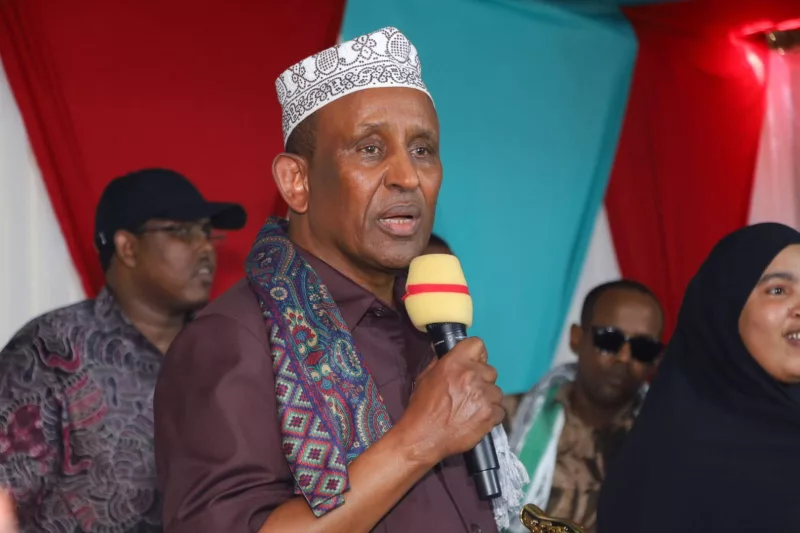
Health Services chief officer Dr Mohamud Abdikadir described the move as a turning point for healthcare in the county.
“This is a transformative moment for our health sector. Taifa Care will ensure our patients receive timely, efficient and quality services while improving accountability in how we manage resources,” he said.
Each facility will be equipped with digital devices to support smooth data entry, storage and retrieval, creating a single connected system across the county’s health network.
Beyond improving patient care, the platform is also expected to strengthen revenue collection through automated billing and tracking of services.
“Through digital billing, we are sealing loopholes that have led to loss of revenue. Every service offered will now be properly recorded and accounted for,” a county health official said.
The rollout comes at a time when county leaders are urging a more deliberate and unified approach to development and security, amid concerns that fragmented interventions have slowed progress.
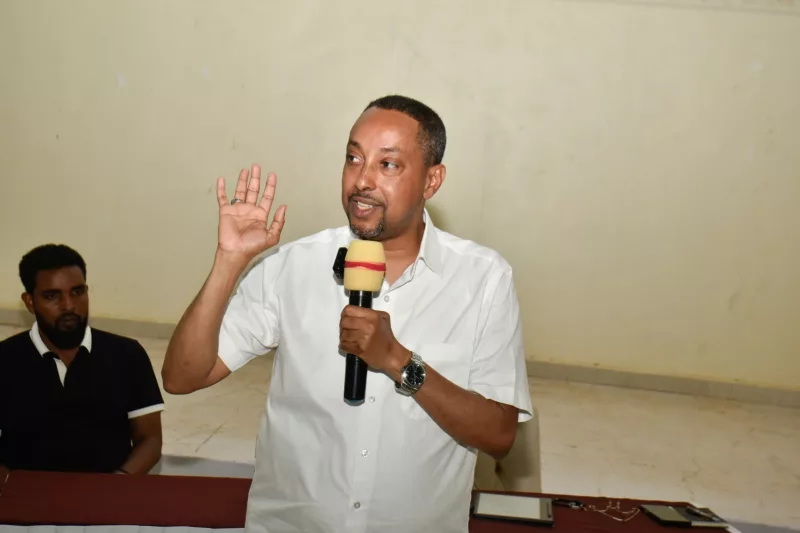
Isiolo County Commissioner David Kiprop has called on government agencies, development partners and non-state actors to align their programmes with existing strategic plans to avoid duplication and wastage.
“Development without coordination leads to inefficiency and wasted resources. Every intervention must be deliberately structured to contribute to a shared goal,” he said during a County Steering Group meeting in Isiolo.
He warned that disjointed efforts risk undermining progress and urged all actors to work within a common framework to deliver lasting impact.
“All actors—governmental and non-governmental—must operate within a common strategy. That is the only way we can achieve sustainable development,” he added.
On security, the commissioner acknowledged the persistent threat posed by cattle rustling and banditry, noting that instability continues to weigh on economic growth and investor confidence.
“Security is not just a policing issue. It is the foundation for development, investor confidence and community stability,” he said, assuring residents of the government’s commitment to restoring order.
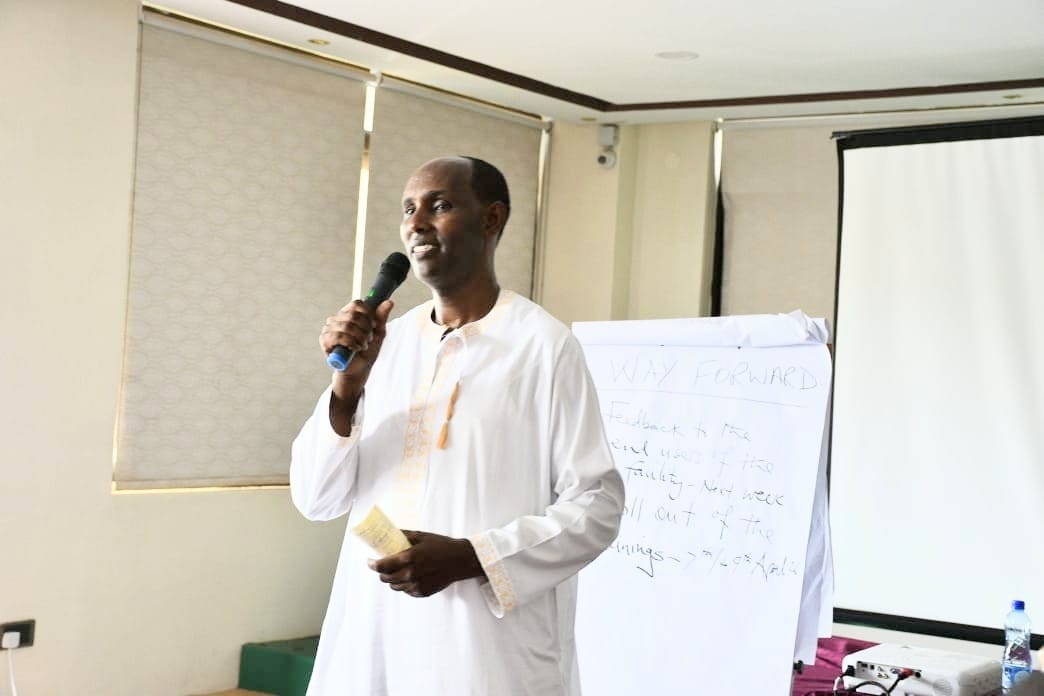
The meeting brought together representatives from both county and national governments, alongside development partners, in what officials described as a whole-of-society effort to address Isiolo’s challenges.
Discussions centred on the need for data-driven planning, including a review of the SMART Survey 2026 findings, as well as the rollout of drought response programmes supported by development partners and implemented by humanitarian agencies.
Participants also examined county progress reports for the 2023-24 and 2024-25 financial years, with a view to strengthening accountability and tracking development outcomes more effectively.
Updates were shared on local economic initiatives such as the Anolei Women Camel Milk project, which aims to empower women and improve livelihoods in arid areas.
A key outcome of the forum was the establishment of a County Disaster Preparedness and Response Management Team to improve coordination in responding to recurring droughts and other emergencies.
“This marks a shift from reactive to proactive management of disasters. We must anticipate risks and respond in a coordinated and timely manner,” an official at the meeting said.
With support from agencies such as the National Drought Management Authority and development partners, Isiolo is positioning itself for a more structured and sustainable path to development.
Officials say the twin focus on digitising healthcare and strengthening coordination reflects a broader effort to improve governance, enhance service delivery and deliver tangible benefits to residents.