The Shakahola massacre trial has taken a turn after the prosecution revealed testimony describing how deaths within the forest settlement were cloaked in symbolic language, with followers allegedly referring to them as “weddings.”
According to a statement from the Office of the Director of Public Prosecutions (ODPP), a defence witness told the High Court of Mombasa that members of the group embraced a belief system that reframed death as a spiritual transition rather than an end of life.
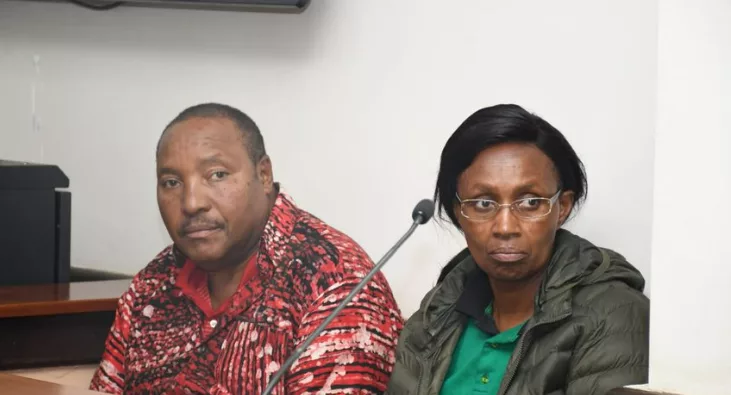
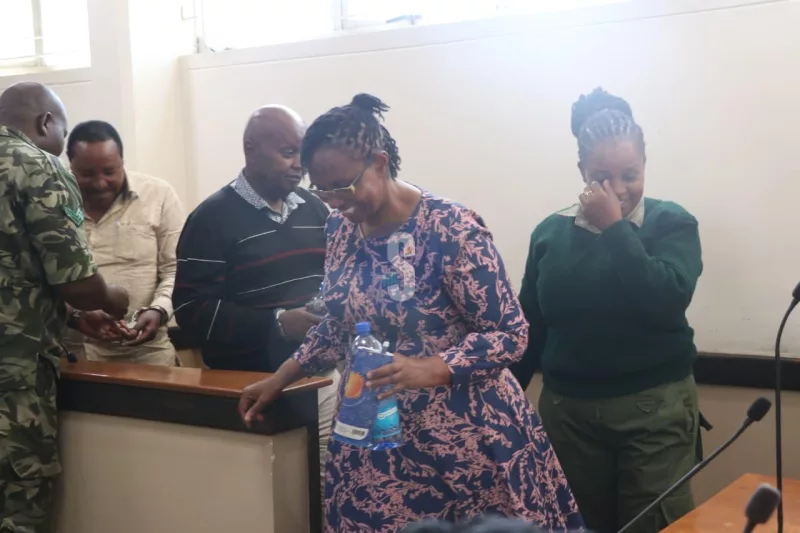
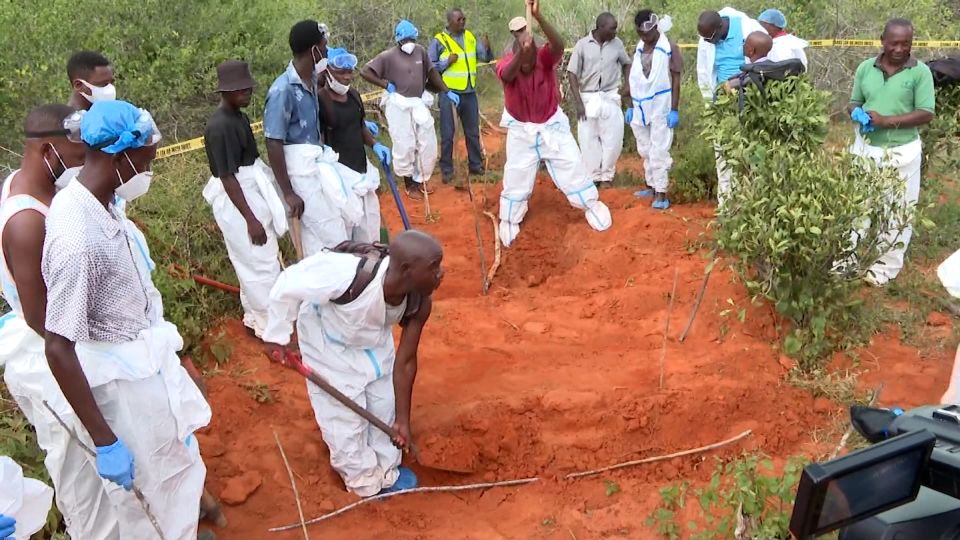
Testifying before Justice Diana Kavedza, the witness admitted participating in burial activities within the Shakahola forest, including digging graves and interring bodies.
He maintained that his actions were carried out in “good faith” as part of a religious community, even as he acknowledged he could not establish the precise causes of the deaths.
The witness further told the court that he had abandoned his university education after embracing the group’s teachings and relocated to Shakahola in 2023, where he purchased land at a cost of Sh1,500.
Within the settlement, he said, formal education, and certain aspects of what he described as the modern society were discouraged, as they were perceived to conflict with spiritual beliefs.
"He (accused) described a strict belief system that discouraged formal education, medical treatment, and certain aspects of modern life, which were viewed as contrary to spiritual teachings," the statement reads.
These teachings, he added, were deeply internalised by followers, shaping their daily lives and decisions.
Central to the group’s practices was prolonged fasting, which the witness testified was widely observed and considered an act of faith.
He admitted to personally undertaking extended fasting periods, at one point requiring hospitalisation after suffering dehydration due to lack of food and water.
In what prosecutors describe as a key element of the testimony, the witness told the court that deaths were not openly described as such.
Instead, members used the term “weddings” to signify what they believed was a spiritual union or transition for the faithful.
"He further told the court that within the settlement, deaths were referred to as “weddings,” symbolising a belief that faithful followers do not die but transition spiritually," the statement added.
The witness further disclosed that coded phrases were used to describe fasting cycles.
Terms such as “kupanda mlima” (climbing the mountain) and “kushuka mlima” (descending the mountain) were employed to mark the beginning and end of fasting periods, reinforcing a shared vocabulary rooted in the group’s beliefs.
The Shakahola trial examines deaths linked to alleged cult practices, including starvation, indoctrination, and illegal burials in Kilifi.
The trial continues.